
After a vehicle accident, insurance companies often undervalue your claim. We at Schaar & Silva LLP have seen countless clients accept settlements far below what their vehicles are actually worth.
This vehicle damage valuation guide walks you through how damage gets assessed, what mistakes to avoid, and how to fight back against lowball offers. You’ll learn the concrete steps to document your claim properly and get the compensation you deserve.
How Adjusters Value Your Vehicle
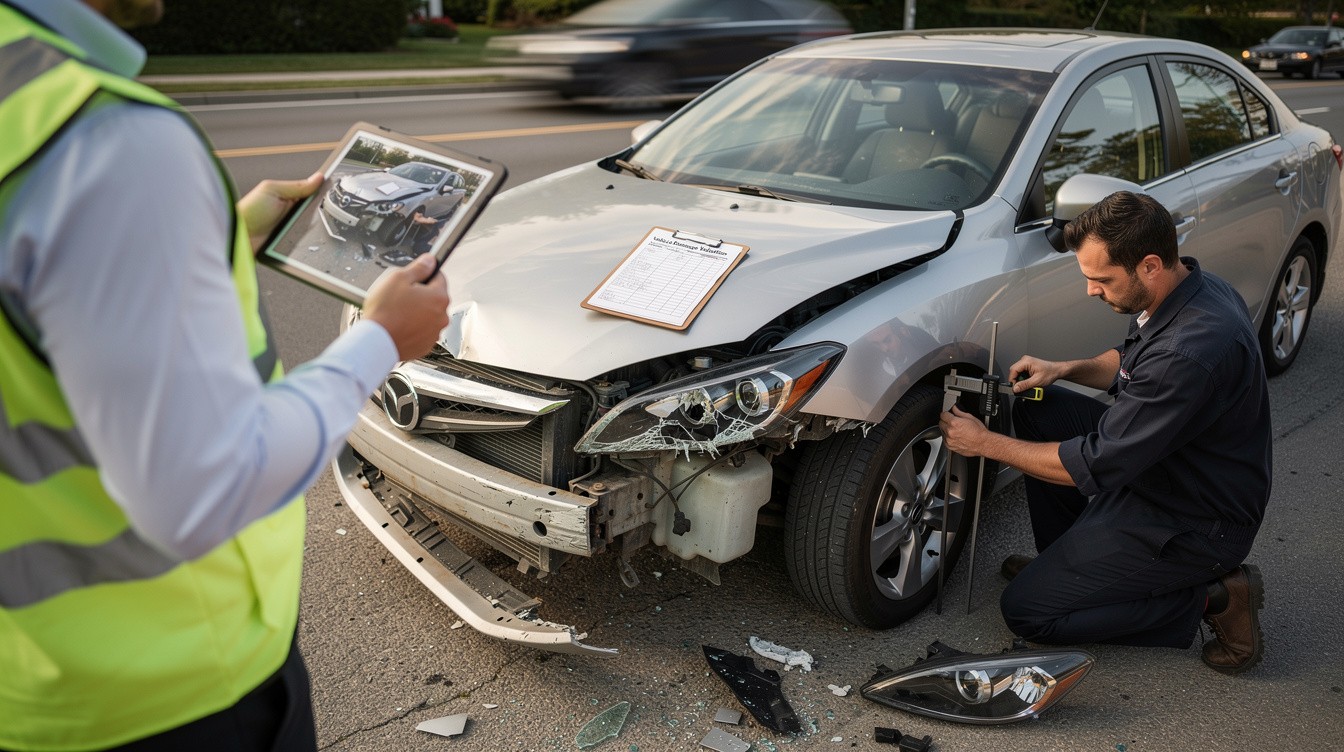
An insurance adjuster will inspect your vehicle within days of your claim. This inspection determines everything-repair costs, total loss status, and your settlement amount. The adjuster photographs damage, measures impact zones, and documents existing wear and tear. Your presence during this inspection matters enormously.
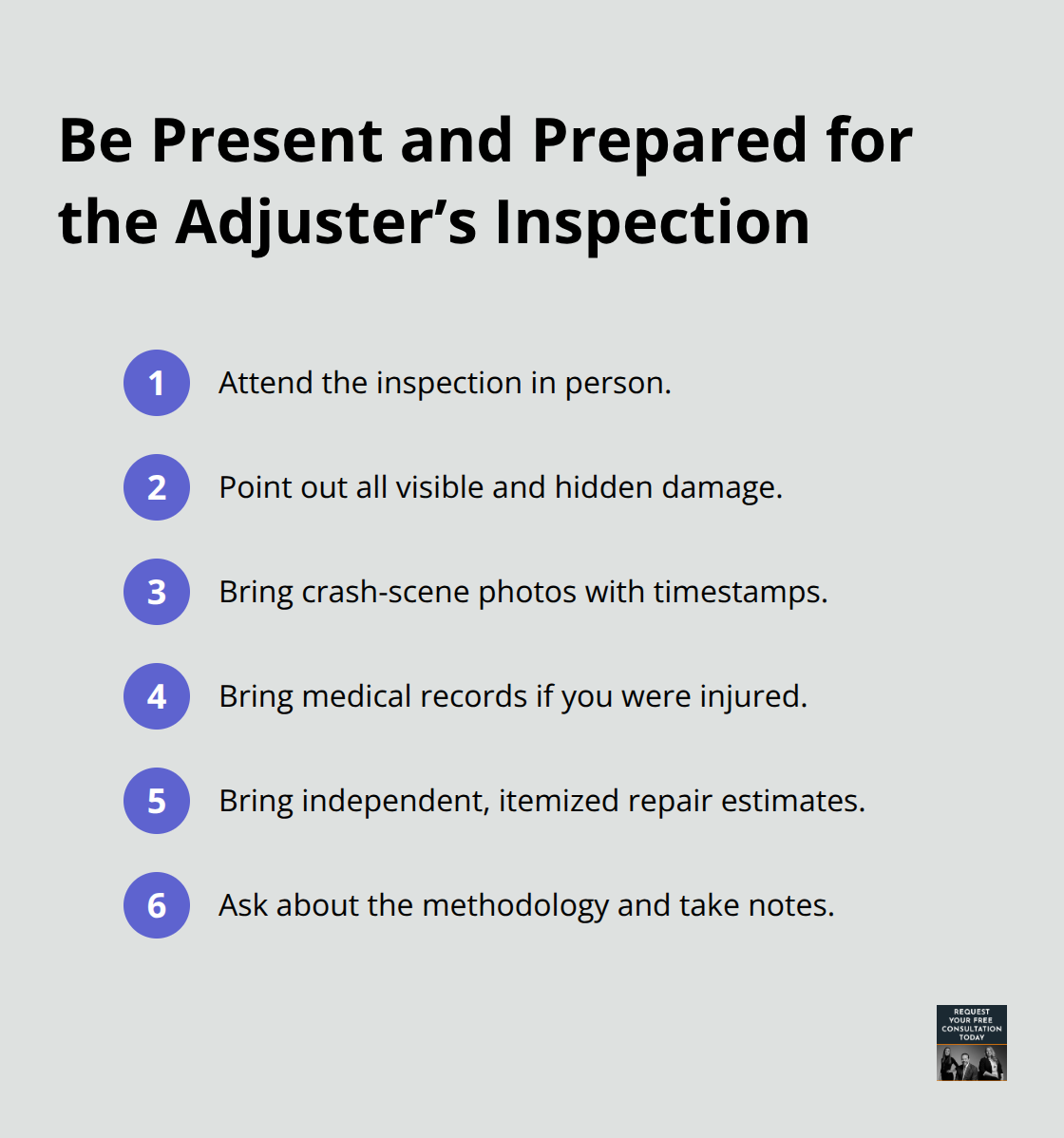
You can point out damage the adjuster might miss and ask questions about their methodology. If you’re absent, the adjuster controls the narrative entirely. Many people skip this step, assuming the insurer will act fairly. That assumption costs money. Bring your own photos from the accident scene, medical records if you were injured, and repair estimates from independent shops. The adjuster will also pull the vehicle’s history using its VIN to check mileage, accident records, and maintenance. This information directly affects the fair market value they assign to your car before the crash.
What Fair Market Value Really Means
Fair market value represents what a willing buyer and seller would agree on for your vehicle at the time of the accident. Not what you paid for it. Not what you owe on the loan. The actual market price on that specific day. Insurers use databases like NADA Guides or Kelley Blue Book to generate initial values, but these databases often underestimate regional variations. A 2020 Honda Civic worth $18,000 in Sacramento might be worth $19,500 in Oakland due to local supply and demand. Get your own valuation from these same databases and compare. If the adjuster’s number is significantly lower, request a detailed breakdown of how they calculated it. Ask which comps they used-comparable vehicles sold recently in your area. If their comps are from different regions or have vastly different mileage, challenge them. You have the right to obtain an independent appraisal if you disagree with the insurer’s valuation. This independent appraisal becomes leverage in negotiations.
Repair Costs Versus Total Loss
Once the adjuster estimates repair costs, they compare that figure to your vehicle’s fair market value. In California, no fixed percentage threshold (like 75 percent) determines total loss status. The determination is purely economic: if repairing the vehicle costs more than its actual cash value, it becomes a total loss. Your car’s market value is $8,000 but repairs run $9,200? Total loss. The insurer pays your ACV minus your deductible and takes the vehicle. You can choose to keep the vehicle instead, but the insurer deducts salvage value from your settlement. If you keep it and repair it yourself, you must notify the California DMV within 10 days and obtain a salvage title. Some people do this successfully, but understand the risks: repairs must be properly documented, parts must be legally obtained, and the vehicle must pass a safety inspection before you can drive it. Most people don’t pursue this route because the hassle outweighs the benefit.
Challenging the Adjuster’s Estimates
If the adjuster’s repair estimate seems inflated, submit competitive repair estimates from independent shops. If their estimate seems deflated, get your own estimates and present them. The lower the repair cost relative to ACV, the more likely you avoid total loss status and keep your vehicle running. When you submit multiple estimates, the insurer must address why they rejected lower figures. This creates accountability and often results in revised (and fairer) estimates. Don’t accept the first number the adjuster provides without question.
Moving Forward With Your Claim
The valuation process sets the foundation for your entire claim. What happens next depends on whether your vehicle qualifies as repairable or a total loss-and how aggressively you challenge the numbers. If you’re in Santa Cruz County and need guidance on property damage claims, we at Schaar & Silva LLP assist in evaluating the extent of property damage and ensure you receive a fair valuation for your loss. The next section covers the common mistakes people make during this valuation phase, mistakes that cost thousands in lost compensation.
Common Mistakes in Vehicle Damage Claims
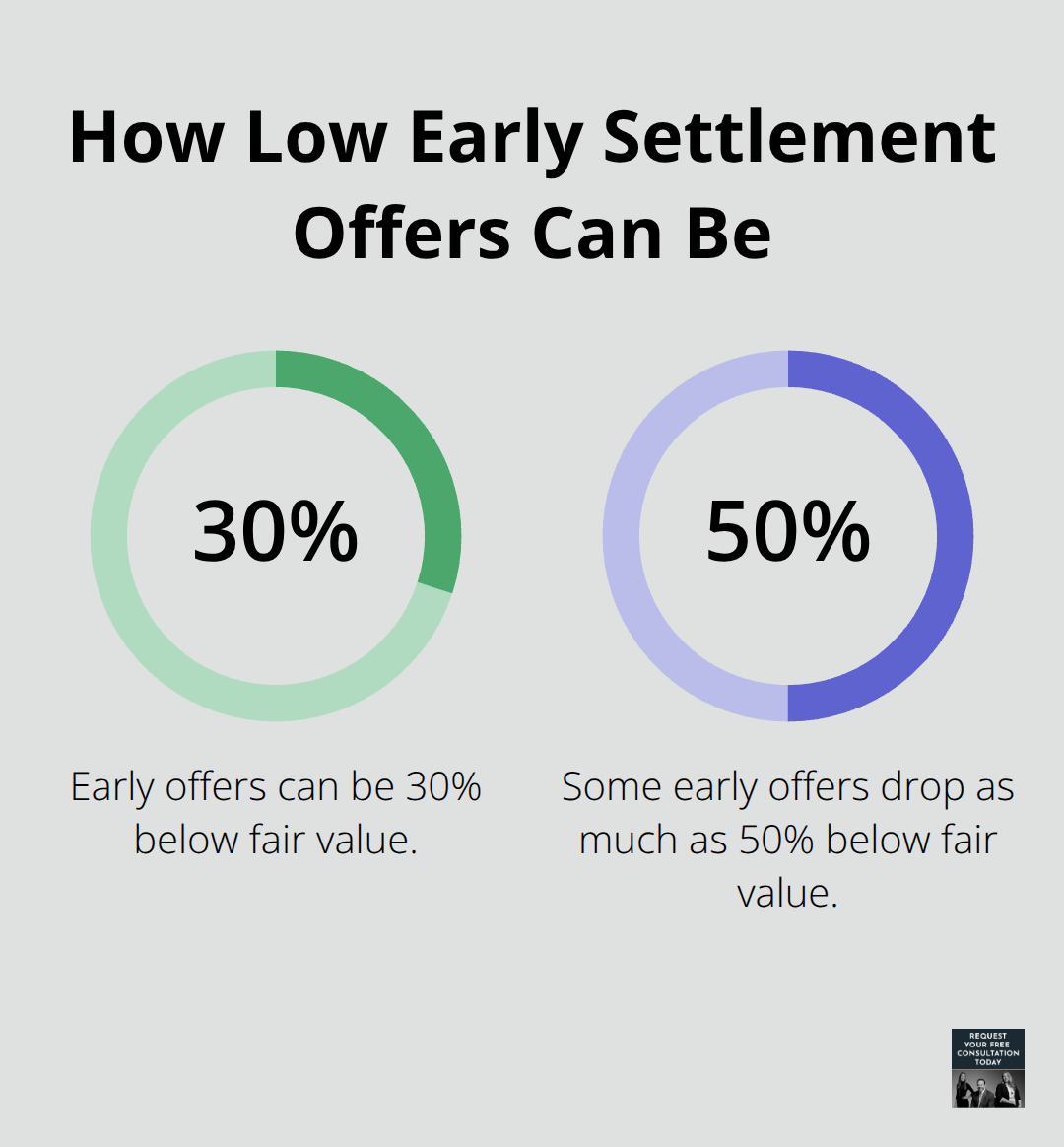
Insurance adjusters count on you making errors. The most expensive mistake is accepting the first settlement offer without question. Early offers are intentionally low-often 30 to 50 percent below fair value. Insurers know most people need money quickly and will take whatever arrives first.
The Fair Claims Settlement Practices Regulations require insurers to respond within 15 days and pay within 30 days of settlement, but that timeline doesn’t mean their initial number is fair. Get independent repair estimates before accepting anything.
Why Your First Offer Falls Short
A shop in Sacramento might quote $4,200 for collision damage while another quotes $5,800 for the same work. The difference matters enormously. When you submit multiple estimates, the insurer must justify why they chose the lowest figure or explain why they rejected higher ones. This forces accountability. Most people don’t realize that insurers deliberately start negotiations low, expecting pushback. If you accept without question, you signal weakness. Submitting three estimates from different shops in your area creates a paper trail the insurer cannot ignore.
Document Damage Immediately at the Scene
Many people fail to document damage thoroughly at the accident scene. Photos taken immediately after impact show the true extent of harm. Damage worsens during towing and storage, making early documentation critical. Photograph the vehicle from multiple angles, close-ups of dents and broken glass, the accident scene itself, and any visible injuries. Include timestamps. When you later dispute the adjuster’s estimate, these photos become evidence the insurer cannot ignore. Without them, you’re relying entirely on the adjuster’s inspection-which favors their interests, not yours.
Verify Repair Estimates Line by Line
The third costly mistake is accepting the adjuster’s repair estimate without independent verification. Adjusters sometimes use outdated labor rates or parts pricing that doesn’t reflect current market conditions in your area. Oakland body shops charge differently than rural Santa Cruz County shops. Request itemized estimates showing labor hours, parts costs, and whether parts are original equipment manufacturer or aftermarket. California law requires repair invoices to clearly identify part types, so demand this transparency from any estimate. If the insurer’s estimate lists parts without specifying OEM versus aftermarket, push back. Aftermarket parts must be comparable to OEM parts in kind, quality, safety, fit, and performance-but they’re cheaper, which insurers prefer.
Choose Your Own Repair Shop
You have the right to choose your own repair shop, and if you do, the insurer must pay reasonable costs to repair per standard trade practices in your area. Don’t let the insurer dictate which shop touches your vehicle. Get three estimates minimum. Compare them line by line. If the adjuster’s estimate falls significantly below the market rate in your region, that gap represents money you’re leaving on the table. The next section covers how to gather evidence and work directly with adjusters to challenge their valuations and secure fair compensation.
Getting Fair Compensation for Your Vehicle
Collect Evidence Immediately After the Accident
Start collecting evidence the moment the accident happens, not days later when details fade. At the scene, photograph the vehicle from all angles, capture the damage up close, document the accident location, and photograph any visible injuries. Obtain the other driver’s information, insurance details, and phone numbers from witnesses. File a police report if law enforcement responds, or file one yourself within 10 days if they don’t-California requires reporting for crashes with injuries, deaths, or damage exceeding $1,000. These early steps create an objective record that insurers cannot dismiss. When you meet the adjuster for the inspection, bring your own photos, medical records if injured, and repair estimates from at least two independent shops. The adjuster will document their findings, but you need your own documentation to challenge their conclusions later.
Request Written Documentation and Review Reports Carefully
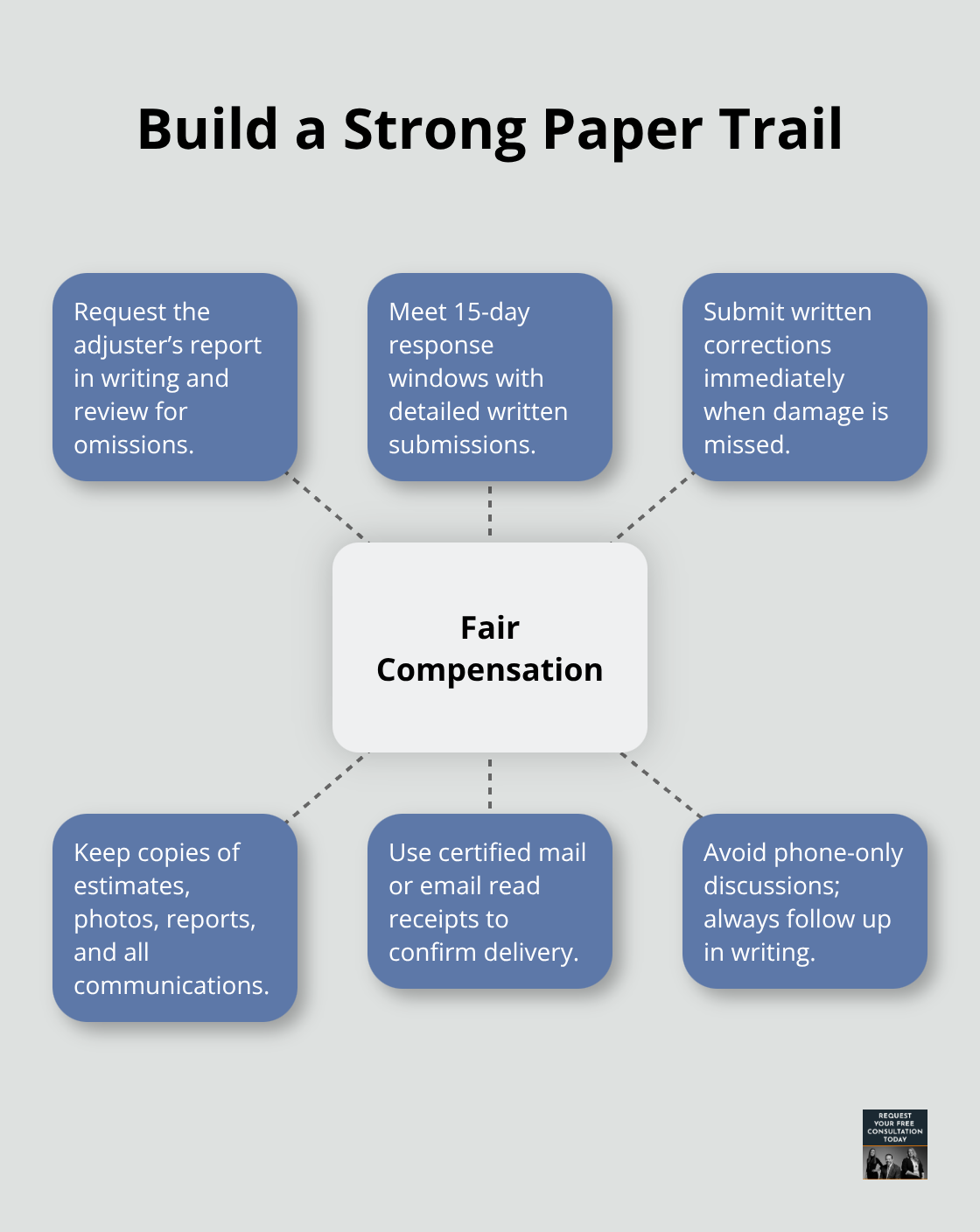
Request a copy of the adjuster’s report in writing and review it carefully for omissions or underestimated damage. If the report lists damage you observed at the scene but the adjuster missed, submit a written correction immediately. California’s Fair Claims Settlement Practices Regulations require insurers to acknowledge claims within 15 days and respond to demands within 15 days, so meet these deadlines with detailed written submissions rather than phone calls. Written documentation creates a paper trail that protects you if disputes escalate.
Obtain Independent Appraisals and Compare Valuations
When the adjuster provides their valuation, never accept it without comparison. Obtain independent appraisals from shops in your specific region-Sacramento body shops charge different rates than Oakland shops, and pricing matters. Request an itemized breakdown showing labor hours, parts costs, and whether parts are OEM or aftermarket. California law requires repair invoices to clearly identify part types, so demand this transparency from any estimate. If the insurer’s repair estimate falls significantly below market rates in your area, that gap represents lost money.
Use the Appraisal Process to Resolve Disputes
If you disagree with the total loss determination or the ACV assigned to your vehicle, California allows you to pursue an appraisal process: both you and the insurer select appraisers, those appraisers choose a neutral umpire, and the umpire’s decision becomes binding. Each party pays its own appraiser, and you split the umpire fee. This formal process carries weight because insurers know umpires apply objective standards. If negotiations stall and the insurer refuses to budge, this appraisal provision becomes your leverage. For cases involving significant damage or total loss disputes, we at Schaar & Silva LLP assist in evaluating the extent of property damage and ensure you receive a fair valuation for your loss.
Final Thoughts
Vehicle damage valuation doesn’t end when the adjuster walks away from your car. The real work starts when you compare their numbers against independent estimates, challenge low offers, and push back against total loss determinations that don’t reflect fair market value. Submitting multiple repair estimates, documenting damage at the scene, and requesting written reports create the paper trail insurers cannot ignore-and this vehicle damage valuation guide shows you exactly how to build that trail.
Your immediate steps after an accident matter most. Photograph everything before towing, file a police report within 10 days if law enforcement doesn’t respond, and gather the other driver’s information along with witness statements. When the adjuster contacts you, attend the inspection in person and bring your own documentation, including itemized estimates showing labor hours, parts costs, and whether parts are OEM or aftermarket. Submit competitive bids from independent shops in your region and write down every communication with the insurer.
If you’re navigating this process alone in Santa Cruz County, Sacramento, or Oakland, we at Schaar & Silva LLP assist in evaluating the extent of property damage and ensure you receive a fair valuation for your loss. Contact us for a free case evaluation to discuss your claim and its potential value, and let us handle the legal intricacies while you focus on recovery.
