

A vehicle accident can turn your life upside down in seconds. Medical bills pile up, insurance companies demand answers, and you’re left wondering what to do next.
We at Schaar & Silva LLP created this guide to connect you with the vehicle accident resources you need right now. Whether you’re in Santa Cruz, Sacramento, or Oakland, you’ll find practical tools and local support to help you move forward.
What to Do Immediately After Your Accident
Secure the Scene and Document Everything
The first minutes after a crash determine how strong your claim becomes. Stop your vehicle only if it’s safe to do so, then call 911 if anyone is injured. Move to a safe location away from traffic if possible, but do not leave the scene. California law requires you to remain at the accident location and provide your driver’s license, vehicle registration, and insurance information to the other driver. Police will document the scene, and you’ll receive a report number-write this down immediately.
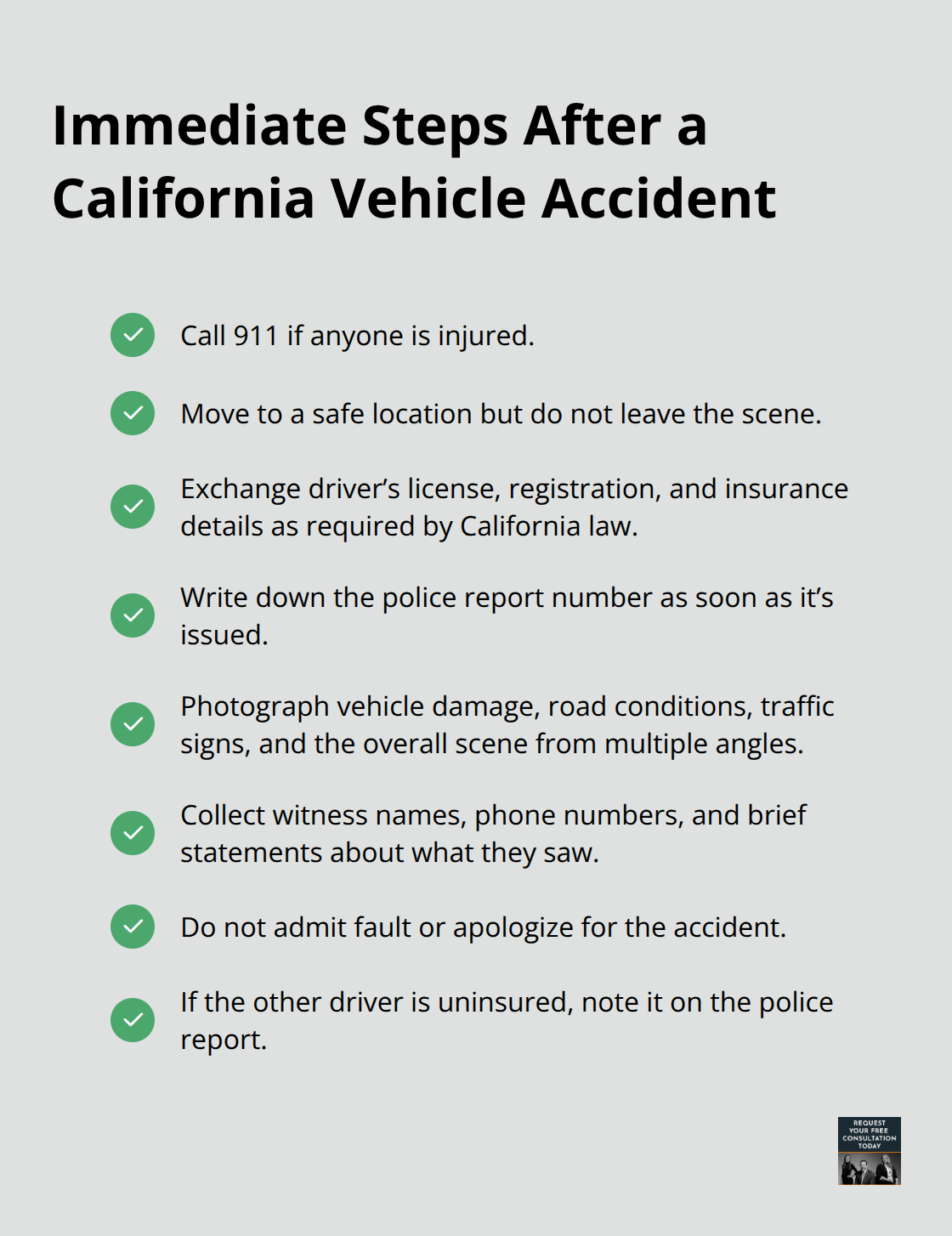
Take photos of vehicle damage, road conditions, traffic signs, and the overall scene from multiple angles before anyone moves the vehicles. Collect the other driver’s name, phone number, address, driver’s license number, license plate, vehicle make and model, and insurance company details. Get contact information from all witnesses, including their phone numbers and what they saw. Do not admit fault or apologize for the accident, as this can be used against you later. If the other driver is uninsured, note this on the police report.
Report to the DMV and Your Insurer
Within 10 days of the accident, you must report it to the California Department of Motor Vehicles if there were injuries or property damage exceeding $750, according to California Vehicle Code requirements. Your insurance company needs notification as soon as possible-most policies require prompt reporting. Call your agent or insurer’s claims line and provide basic details, but avoid recorded statements initially without understanding the implications.
Seek Medical Care Right Away
Seek medical attention immediately, even if you feel fine. Adrenaline masks injuries that show up hours or days later. Get examined at an emergency room, urgent care facility, or your doctor’s office and request copies of all medical records and bills. Keep detailed records of every medical visit, prescription, and treatment cost. Lost wages matter too-document time off work and lost income from the accident.
Protect Yourself from Insurance Tactics
Insurance companies often call accident victims within hours, trying to record statements before you’ve had time to think clearly. Do not provide a recorded statement to the other party’s insurance company without legal guidance. Your own insurer may request one, but you can ask questions and take time before responding. Never sign a blanket medical authorization allowing the insurance company unlimited access to your health records-this gives them ammunition to deny your claim by finding unrelated conditions.
The California Department of Insurance reports that insurers use early calls and recorded statements as tactics to reduce settlements, so approach these interactions carefully. If you’re in Santa Cruz County, we at Schaar & Silva LLP can help direct you toward medical lien services that handle your medical bills until your case resolves, so you’re not buried in debt while recovering. Consider talking to a lawyer before engaging with adjusters, especially if your injuries are significant or the other driver was uninsured.
Local Resources Available to Santa Cruz, Sacramento, and Oakland Claimants
Government Agencies and Reporting Requirements
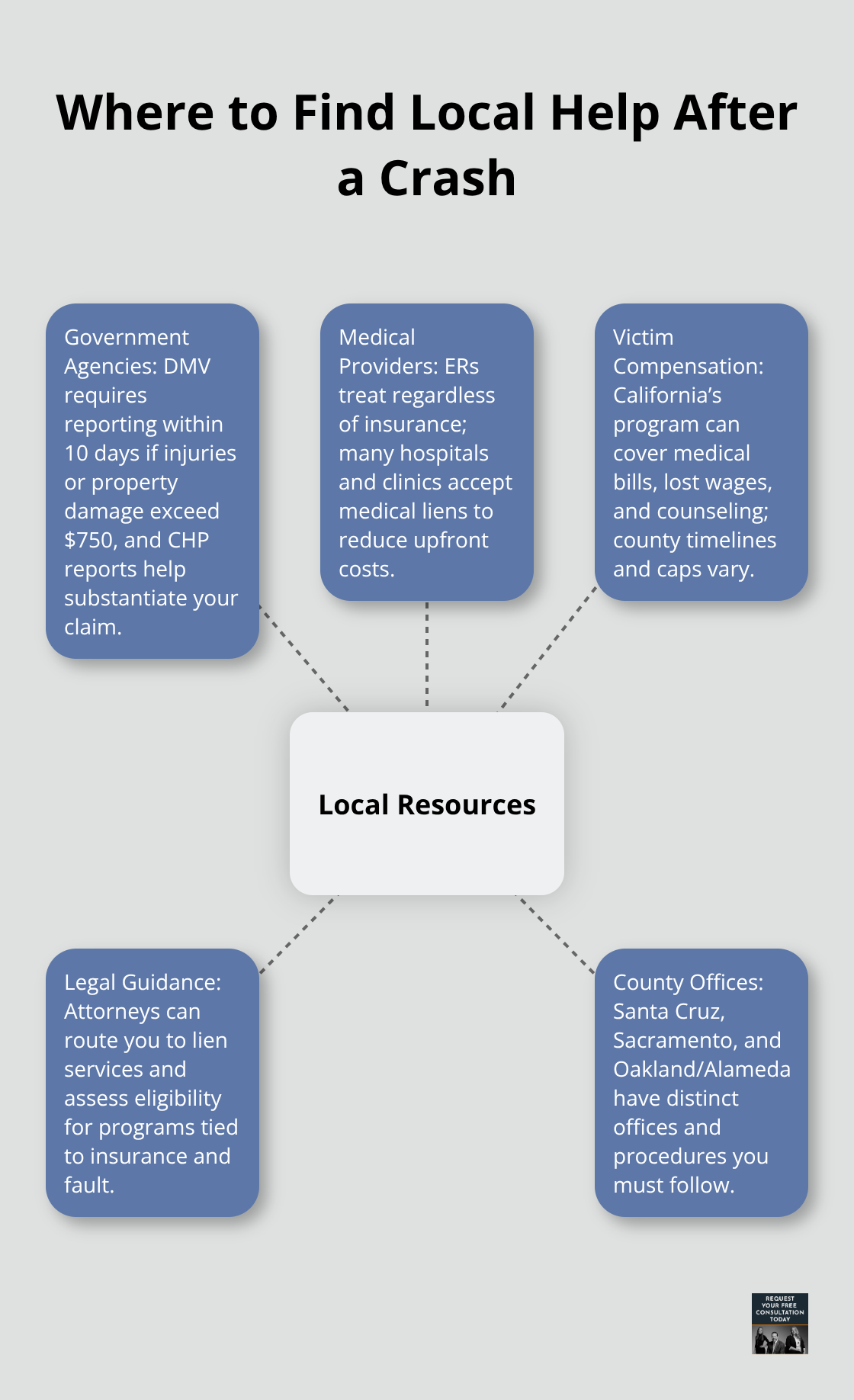
California’s government agencies require accident reporting and maintain records that become critical evidence for your claim. The California Department of Motor Vehicles mandates accident reporting within 10 days if injuries or property damage exceed $750, and your local DMV office guides you through this process. Santa Cruz County’s DMV office operates in Santa Cruz, while Sacramento maintains multiple regional offices to serve residents across the county. Oakland’s DMV locations handle claims from the East Bay area. The California Highway Patrol maintains accident reports that support your case, so request your report number immediately after police arrive at the scene. If a public entity caused your accident, government tort claims have a strict six-month filing deadline under California Government Code, making speed essential when a city vehicle or road defect played a role.
Medical Providers and Treatment Networks
Medical providers in these three regions vary in their willingness to work with accident victims on payment arrangements. Emergency rooms in Santa Cruz County hospitals like Dominican Hospital and Watsonville Community Hospital treat you regardless of insurance status, but urgent care facilities often demand upfront payment. Sacramento’s UC Davis Medical Center and Mercy General Hospital have established relationships with personal injury attorneys and understand medical lien arrangements where providers wait for settlement proceeds. Oakland Medical Center and Highland Hospital similarly accept liens, reducing your immediate financial burden. Medical lien services handle billing negotiations, so you avoid collection agencies while your case resolves.
Financial Assistance and Victim Compensation Programs
California’s Victim Compensation Program covers medical expenses, lost wages, and counseling for crime victims, including those injured in DUI crashes. You submit applications to your county’s victim services office. Santa Cruz County Victim Services operates separately from Sacramento County and Oakland’s Alameda County programs, each with different application timelines and benefit caps. Contact your local county’s district attorney victim services division to apply, though eligibility depends on whether the at-fault driver was convicted or insured status. The California Victim Compensation and Government Claims Board website lists county-specific resources and claim forms for your area.
Legal Guidance for Your Specific Situation
Understanding which programs apply to your accident requires legal guidance tailored to your circumstances. We at Schaar & Silva LLP direct our Santa Cruz County clients to medical lien services and help evaluate your eligibility for victim compensation programs. Our team connects you with the right resources based on your injury severity, insurance status, and the at-fault driver’s coverage. With these local resources identified, the next step involves understanding your insurance coverage options and determining when legal representation becomes necessary to protect your recovery.
Navigating Insurance Coverage and Legal Support
Understanding Your Insurance Policy Options
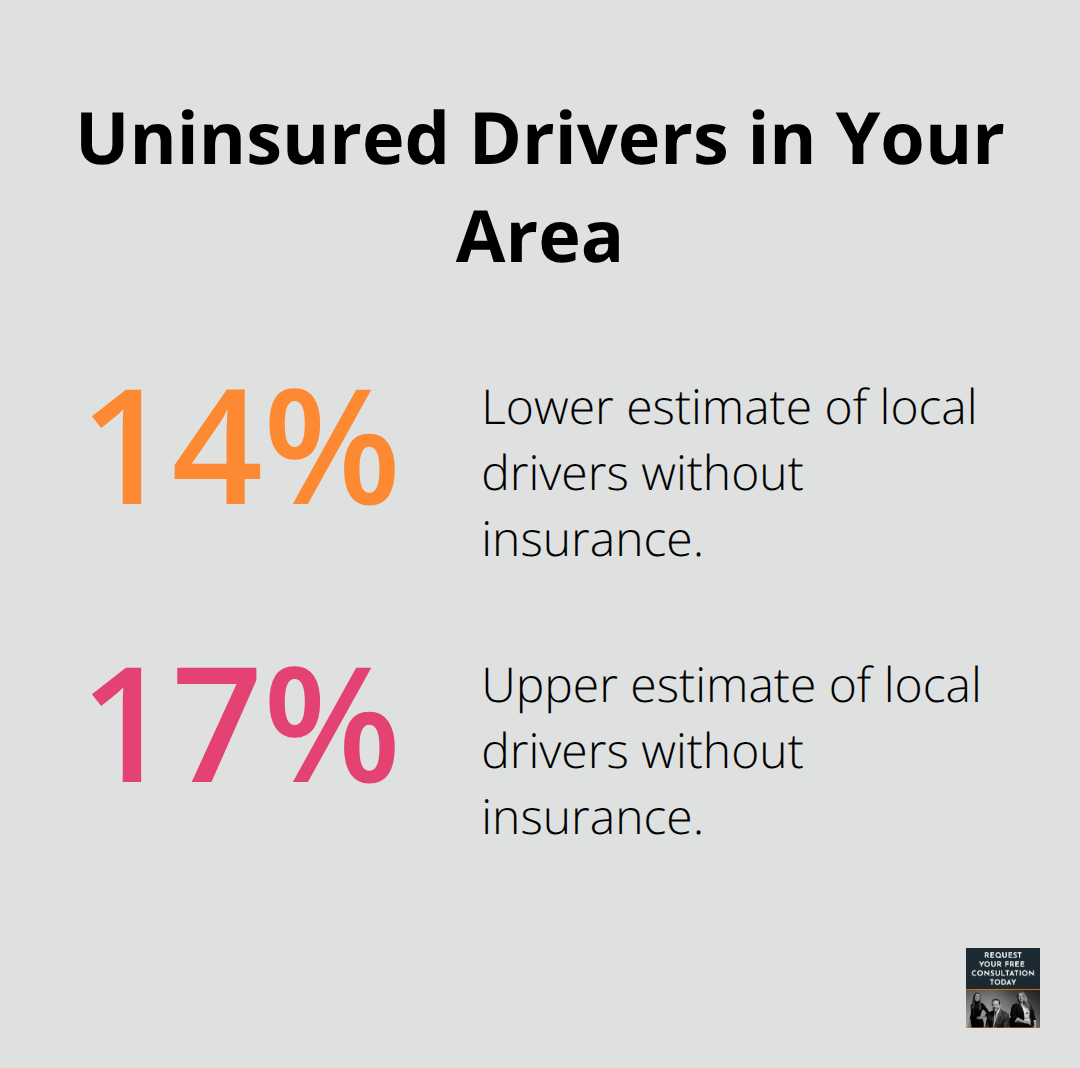
Your insurance policy contains coverage options that directly affect how much money you recover, but most accident victims don’t understand what they actually have. California’s minimum liability limits are now $30,000 per person and $60,000 per accident for bodily injury, plus $15,000 for property damage, according to SB 1107 updated in 2025. These minimums rarely cover serious injuries. Uninsured and underinsured motorist coverage is where real protection lives, especially in Santa Cruz, Sacramento, and Oakland where about 14 to 17 percent of drivers carry no insurance.
If the at-fault driver is uninsured, your own UM coverage fills the gap. If their insurance is too low for your damages, your UIM coverage picks up the difference. Most people skip these options to save $20 monthly on premiums, then face bankruptcy when a serious crash happens.
Medical payments coverage pays your treatment bills regardless of fault, up to your policy limit, and this coverage should be at least $5,000. Collision and comprehensive coverage protect your vehicle itself, but the insurance company pays only the lesser of repair costs or your vehicle’s actual cash value at the time of loss. Rental reimbursement coverage typically pays $30 to $50 daily while your car is repaired, and gap insurance covers loan balances if your vehicle is totaled.
How Insurance Companies Reduce Settlements
The California Department of Insurance reports that insurers respond to claims within 15 days and must decide on settlement within 40 days of receiving proof of claim, but this timeline assumes you understand negotiation tactics. Insurance adjusters call within hours and ask recorded questions designed to lock you into statements that reduce your settlement. They request blanket medical authorizations giving them access to your entire health history, unrelated conditions included. They lowball initial offers, knowing most injured people accept the first number out of desperation. They manufacture treatment gaps by questioning why you didn’t see a doctor for three weeks, implying your injuries weren’t serious. They scrutinize your social media, looking for vacation photos to claim you’re recovered. This is standard practice, not misconduct, and it’s why legal representation matters.
When Legal Representation Protects Your Recovery
Legal representation helps Santa Cruz County clients navigate these interactions by handling negotiations directly with adjusters, eliminating recorded statements, and building documented evidence of your losses before any settlement discussion. Your case becomes stronger when an attorney is involved from the start because insurance companies know they can’t use early-call tactics or social-media arguments against experienced legal counsel. If your injuries required hospitalization, ongoing treatment, or time away from work, legal representation typically recovers far more than the cost of hiring an attorney. For minor injuries with clear liability and quick recovery, you might handle claims alone, but the moment the at-fault driver was uninsured, you were partially at fault, or your injuries are ongoing, professional guidance protects your financial future.
How Schaar & Silva LLP Guides You Through the Process
At Schaar & Silva LLP, we direct our Santa Cruz County clients to medical lien services that facilitate payment of your bills until your case resolves. We help evaluate your insurance coverage options and determine when legal representation becomes necessary to protect your recovery. Our team connects you with the right resources based on your injury severity, insurance status, and the at-fault driver’s coverage. With our support, you can focus on your recovery while we handle the legal intricacies of your situation.
Final Thoughts
A vehicle accident creates immediate chaos, but the resources available to you in Santa Cruz, Sacramento, and Oakland guide you toward recovery and fair compensation. You now understand the critical steps to take at the scene, how to protect yourself from insurance tactics, and which local agencies and medical providers support accident victims in your area. Your insurance coverage options determine how much financial protection you actually have, and legal representation becomes essential when injuries are serious, liability is unclear, or the at-fault driver lacks adequate insurance.
Government agencies maintain accident reports and victim compensation programs that serve you directly. Medical providers in your region accept payment arrangements through medical liens, and insurance companies must follow specific timelines and fair claims practices, though they routinely use tactics designed to minimize what they pay. Understanding these vehicle accident resources puts you in control of your recovery rather than leaving you vulnerable to lowball offers and recorded statements that lock you into unfavorable positions.
Your next step depends on your specific situation-if your injuries are minor and liability is clear, you may handle the insurance claim independently while documenting all medical expenses and lost wages, but if you were partially at fault, seriously injured, or facing an uninsured driver, professional guidance protects your financial future. Contact Schaar & Silva LLP to discuss your accident and determine the best path forward for your recovery and claim.
