
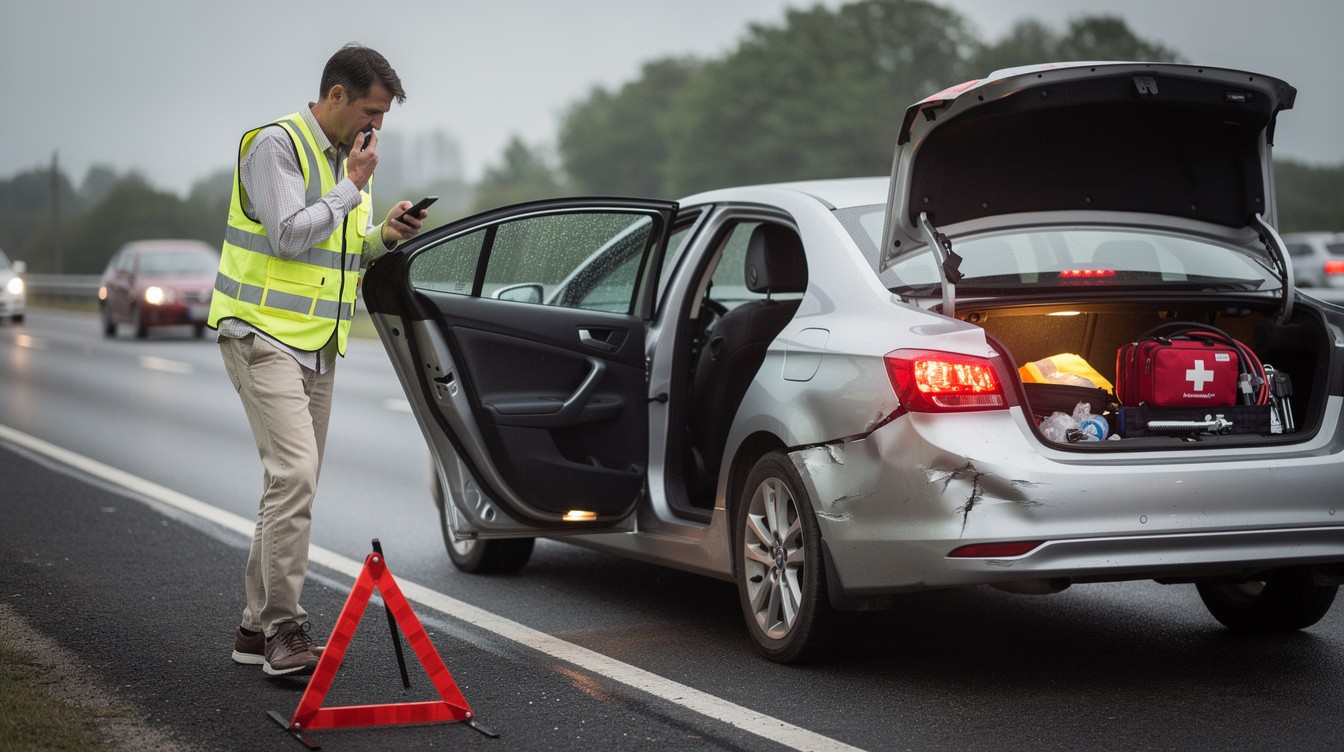
A car accident changes things. Your body needs time to heal, your mind needs time to process what happened, and your confidence behind the wheel needs rebuilding.
At Schaar & Silva LLP, we work with accident survivors in Santa Cruz County, Sacramento, and Oakland who are navigating this recovery. Driving safety after a crash isn’t just about physical healing-it’s about understanding when you’re truly ready, managing the anxiety that comes with getting back on the road, and handling the practical side of insurance and documentation.
When Your Body Says Stop
How Injuries Affect Your Driving Ability
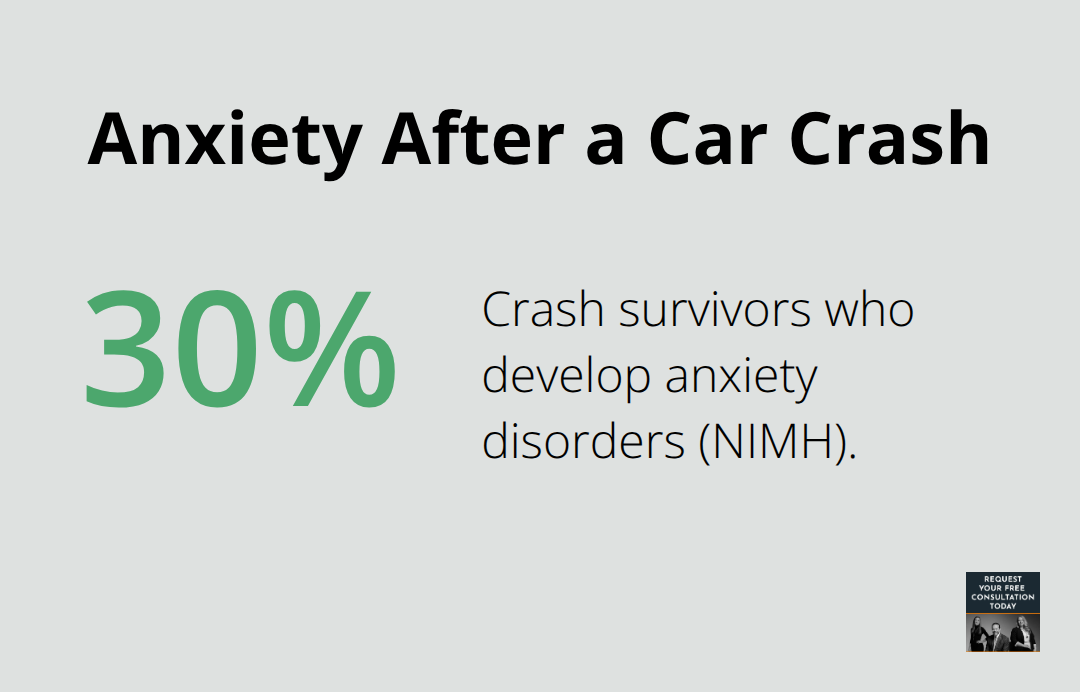
Physical injuries after a crash directly impact your ability to control a vehicle safely. Reduced mobility in your neck, shoulders, or arms affects steering and your ability to react quickly to hazards. Pain medication can impair your reaction time and judgment the same way alcohol does. Vision problems from head injuries or whiplash make it harder to spot dangers on the road. If you have a broken leg or foot injury, you cannot operate the pedals effectively. The National Institute of Mental Health reports that around 30 percent of crash survivors develop anxiety disorders, which increases hypervigilance and fatigue while driving-both of which slow your response to unexpected situations. Your doctor should clear you medically before you get behind the wheel, but that clearance alone isn’t enough. You need to honestly assess whether your body can handle the physical demands of driving.
Medical Clearance and What It Really Means
Medical clearance typically comes when your doctor confirms that pain is manageable without heavy sedation, your mobility is sufficient to control the vehicle, and your cognitive function is sharp. Most post-accident anxiety subsides within about a month, but this timeline varies. Your doctor’s approval marks a starting point, not a finish line. The clearance means your body has healed enough to attempt driving-it does not mean you should jump back into highway driving or rush-hour traffic immediately.
Starting Small: Your First Drives Back
Try short, familiar trips during daylight hours on quiet roads. If you feel drowsy, dizzy, or notice your hands shaking on the wheel, pull over immediately. Gradual reintroduction reduces risk significantly (pushing yourself too fast leads to panic, which clouds judgment and increases accident risk). Track your physical responses during each drive: Can you turn the steering wheel without pain? Do your eyes stay focused, or do they drift? Can you press the brake smoothly? These observations matter more than a calendar date.
Many accident survivors resume driving too quickly because they feel pressure to return to normal, but this rush often triggers another accident. Your recovery isn’t a race. The physical demands of driving require full attention and control-anything less puts you and others at risk. As you rebuild your confidence and assess your readiness, the emotional side of recovery becomes equally important.
Rebuilding Your Driving Confidence
Your First Drive Back
Your first drive back matters far more than you think. Start with a 10-minute trip on a road you know well, during daylight, with minimal traffic. Bring a trusted passenger who won’t distract you with conversation but can offer reassurance if anxiety spikes. Track what happens during this drive: Did your hands grip the wheel too tightly? Did you check mirrors more often than usual?
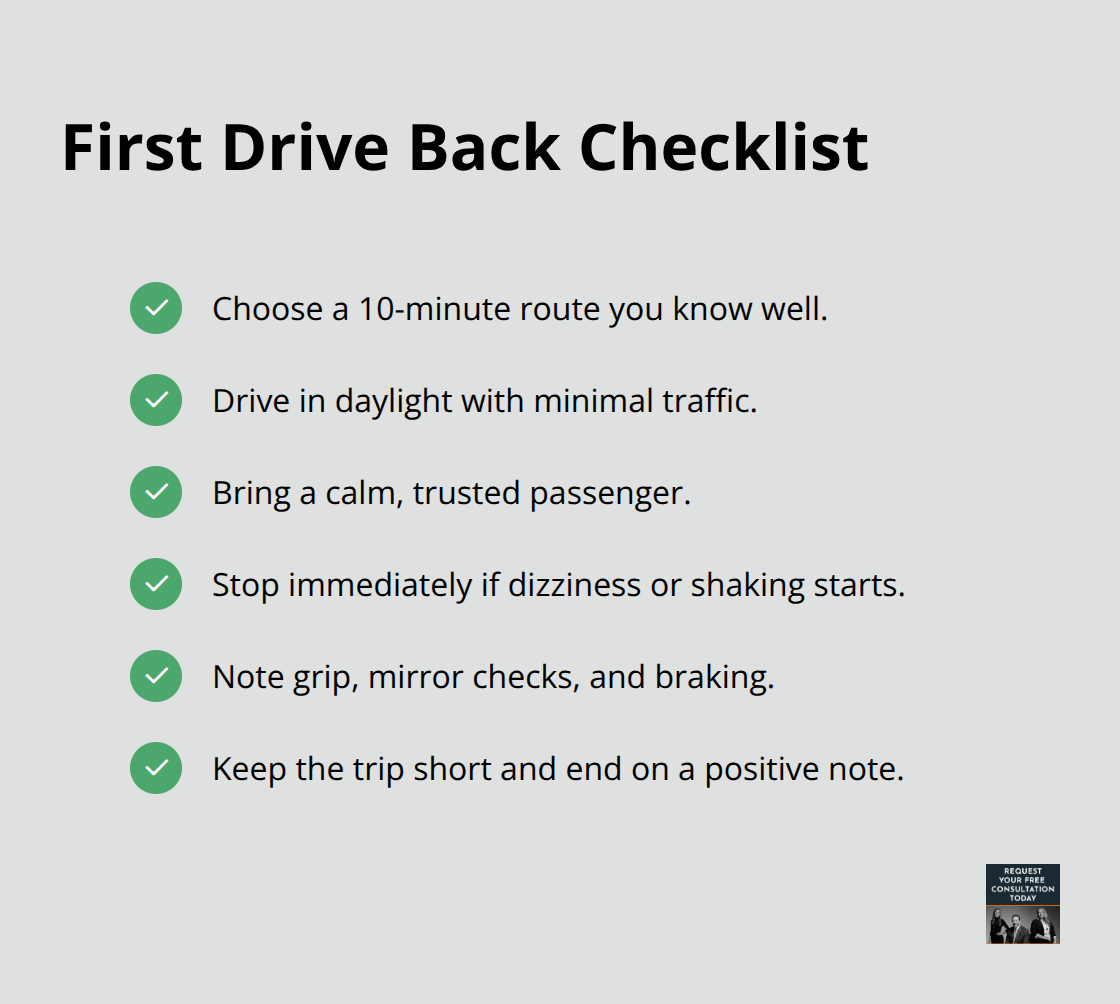
Did your foot hover over the brake? These observations tell you whether your body and mind are ready for the next step.
After this first trip, wait a few days before driving again. Gradually extend your routes by adding 5 to 10 minutes per week. Stay off highways and avoid rush-hour driving for at least two weeks. The National Institute of Mental Health reports that around 30 percent of crash survivors develop anxiety disorders that peak during the first month after an accident. Your nervous system is recalibrating, and pushing too hard too fast triggers panic, which impairs judgment and increases your crash risk substantially.
Understanding Your Timeline
Most post-accident anxiety subsides within about a month, but this doesn’t mean you should resume normal driving at the one-month mark. Your anxiety may decrease while your physical readiness lags behind, or vice versa. The timeline varies for each person, and comparing your recovery to someone else’s slows your progress. What matters is honest assessment of your own readiness-not the calendar.
Defensive Driving Techniques
Defensive driving techniques directly address both physical and emotional concerns. Enroll in a certified defensive driving course in your area. These courses teach you to anticipate dangerous situations before they develop, maintain wider following distances, and adjust your speed based on road conditions and visibility. A defensive driving course may also lower your auto insurance premiums. More importantly, it gives you concrete tools to counteract the hypervigilance and second-guessing that plague accident survivors. You’ll learn to trust your reactions again because you’ve practiced responses to hazards systematically.
Managing Anxiety Behind the Wheel
Managing anxiety while driving requires honest self-assessment. Deep breathing before you start the engine reduces physical tension. Listen to calm music or audiobooks during drives to occupy your mind without demanding active thought. If panic rises while driving, pull into a safe location immediately rather than white-knuckling through it. Avoidance makes anxiety worse over time, so face your fears gradually, but never force yourself into situations that feel unsafe.
If you experience intrusive memories of the crash, sleep disruption, or persistent dread about driving after two weeks, seek professional support. Therapy, particularly cognitive-behavioral therapy, effectively reduces post-crash trauma. The Head Trauma Support Project offers free peer support meetings for survivors in Sacramento County on the second and fourth Thursdays from 6:30 to 8:00 pm at 3337 Arden Way. The National Alliance on Mental Illness runs peer-led support groups across Santa Cruz and Sacramento counties for anxiety and PTSD. These resources connect you with people who understand exactly what you’re facing.
Navigating Setbacks
Your recovery isn’t linear, and setbacks happen. A difficult drive or a near-miss on the road can trigger old anxiety. This is normal, not a failure. Adjust your driving schedule accordingly, take another week of shorter trips, and resume your progression when you feel ready. The goal is sustainable confidence, not rushing back to pre-accident driving habits. As your physical and emotional recovery progresses, the practical side of your situation-insurance rates, documentation, and coverage-demands equal attention.
Insurance and Your Recovery
Your insurance situation after a crash directly affects your financial recovery and your ability to move forward safely. Here’s what matters: your claim does not automatically raise your rates, but how your claim is handled and documented absolutely does. California’s insurance laws protect accident survivors in your situation. If you were not at fault, your insurer cannot penalize you with a rate increase under the state’s anti-discrimination rules. However, if you were partially or fully at fault, expect your rates to rise between 10 and 40 percent depending on your insurer and driving history. The increase typically lasts three to five years.
Documentation Creates Your Protection
Documentation from day one of your accident matters enormously. Photographs of vehicle damage, police reports, medical records, and witness statements create a clear record of what happened. When you contact your insurance company, provide this documentation immediately rather than waiting. Delays in reporting can give insurers reason to deny coverage or reduce what they pay. Document every conversation with your insurance adjuster in writing, including dates, times, names, and what was discussed. If your insurer denies your claim or offers significantly less than your damages warrant, you have the right to challenge that decision.
Medical Records as Evidence
Your medical records become critical evidence as you return to driving. Keep detailed records of all treatment, including therapy sessions, defensive driving courses, and any medications that affect your driving ability. If your insurer questions whether your injuries are severe enough to justify your claim, these records prove otherwise. Many accident survivors underestimate the value of emotional trauma documentation. The National Institute of Mental Health reports that around 30 percent of crash survivors develop anxiety disorders. This is not weakness or overreaction; it is a measurable psychological injury that affects your ability to work, drive, and function.
Building Your Emotional Damages Claim
Document emotional trauma by maintaining a personal journal with specific dates, times, and descriptions of anxiety episodes, sleep disruption, driving avoidance, and work absences. Early therapy notes carry more weight in legal claims than those created months later. When you begin therapy, explicitly tell your provider you were in a motor vehicle accident and describe how the crash triggered your symptoms. This connection between the accident and your emotional response strengthens your claim significantly. Insurance companies use multiplier methods to calculate emotional damages, typically applying a factor of 1.5 to 5 times your medical expenses. Strong documentation pushes that multiplier higher.
Understanding Your Coverage Options
Your insurance company has obligations to you, but they also work to minimize payouts. Understanding this dynamic protects your interests.
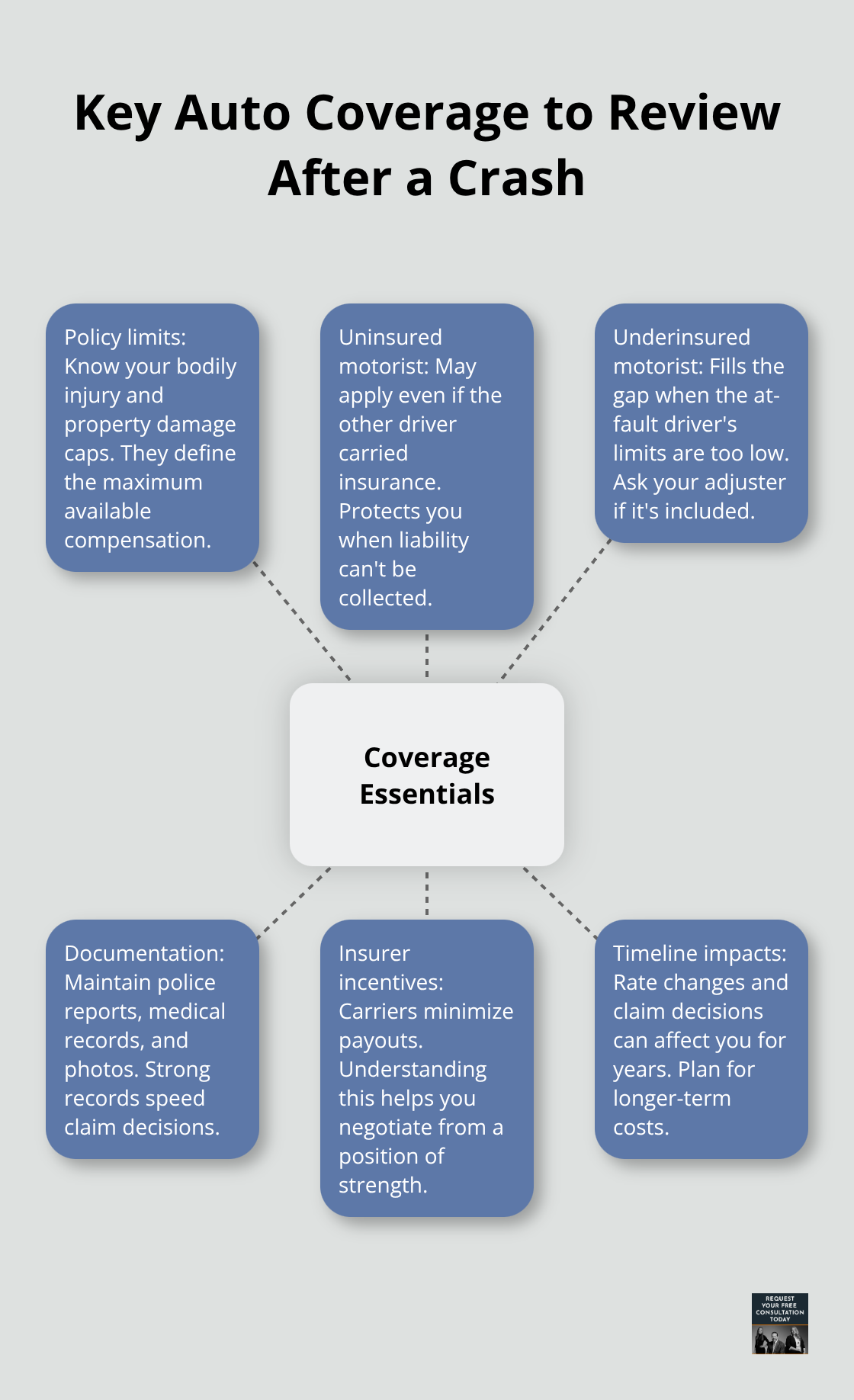
Request a copy of your policy and review your coverage limits before your claim is settled. Some policies include uninsured motorist coverage that applies even if the other driver had insurance. Ask your adjuster directly whether your policy includes underinsured motorist protection, which covers gaps when the at-fault driver’s coverage is insufficient. These details matter because they determine whether you receive full compensation or face financial shortfalls during recovery.
Final Thoughts
Your recovery after a car accident involves three interconnected pieces: healing your body, managing your emotions, and handling the practical details of insurance and documentation. Driving safety after a crash depends on honest assessment of all three. Medical clearance matters, but it’s only the beginning-your anxiety, your confidence, and your physical responses behind the wheel matter equally.
Documentation from the moment of your accident protects your financial recovery. Keep medical records, therapy notes, and a personal journal that tracks your emotional responses and driving progress (this documentation strengthens your insurance claim and ensures you receive fair compensation for both physical and emotional damages). Your insurance company has obligations to you, but understanding your policy limits and coverage options puts you in control of the process.
We at Schaar & Silva LLP work with accident survivors throughout Santa Cruz County, Sacramento, and Oakland who are navigating recovery. Contact us for a case review so you can focus on healing while we handle the legal details.
