
A car crash can turn your life upside down in seconds. Between dealing with injuries, vehicle damage, and insurance paperwork, the stress piles up fast.
We at Schaar & Silva LLP understand how overwhelming the car crash claim process feels. This guide walks you through each step so you know exactly what to expect and how to protect your rights.
What to Do Right After Your Crash
Act Fast in the First Hour
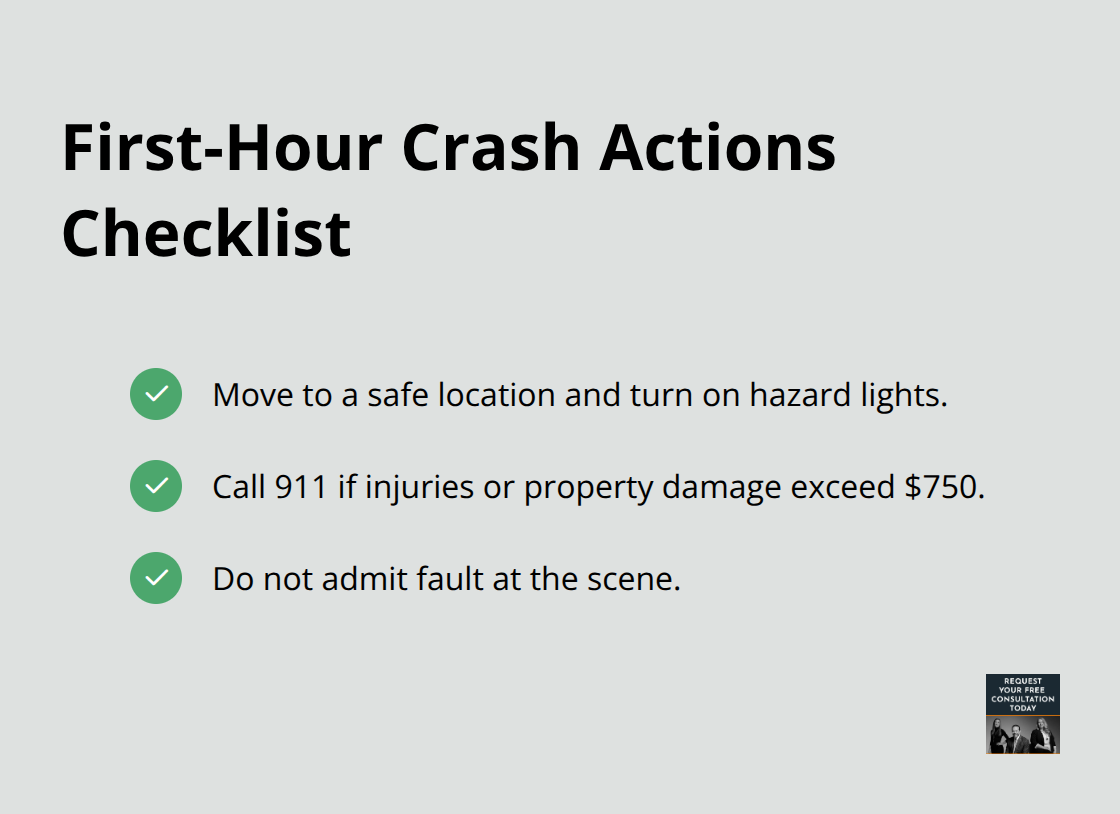
The first hour after a crash determines whether your claim succeeds or fails. Move to a safe location immediately if possible and activate hazard lights. Call 911 if anyone is injured or property damage exceeds $750 according to California DMV rules. Do not admit fault to anyone at the scene, no matter how minor the crash seems.
Photograph Everything at the Scene
Take photos from multiple angles of vehicle damage, road conditions, traffic signals, weather, and skid marks. If a commercial truck is involved, preserve dashcam footage and photos showing exactly how the crash happened. These images create a visual record that insurance adjusters and investigators rely on heavily.
Collect Critical Information
Collect names, addresses, phone numbers, and insurance details from all drivers. Get witness contact information too, since witness statements often carry significant weight with insurance companies. Request the official police or CHP report number at the scene so you can retrieve it later from the Santa Cruz County Sheriff’s Office. Report the accident to your insurance company within 24 hours, not days. California law requires you to report crashes to the DMV within 10 days if there are injuries or damage over $750, so missing this deadline creates serious problems beyond your insurance claim.
Seek Medical Evaluation Immediately
Medical evaluation within 48 hours matters far more than most people realize. The National Highway Traffic Safety Administration recommends immediate medical assessment even if you feel fine, because some injuries like whiplash and internal injuries show up days later. Document every medical visit and prescription from day one, since gaps in treatment records weaken your claim significantly.
Build Your Recovery File
Create a comprehensive recovery file that includes medical records, repair estimates, police reports, and all insurance communications. Organize this file chronologically and keep copies of everything. When your insurance adjuster inspects the vehicle, be present and ask questions about hidden damage, since additional damage discovered later may require re-inspection or extra-cost approvals. Verify that repair bills clearly label parts as OEM, aftermarket, or reconditioned (this affects both repair quality and what you ultimately receive in compensation). Keep all original receipts, photos, and documents in one secure location.
This recovery file becomes your foundation for negotiations with insurance companies. As you move forward, understanding how insurance companies actually evaluate your claim helps you anticipate what happens next and what information they will request from you.
Understanding Your Insurance Claim and Damages
How Adjusters Evaluate Your Claim
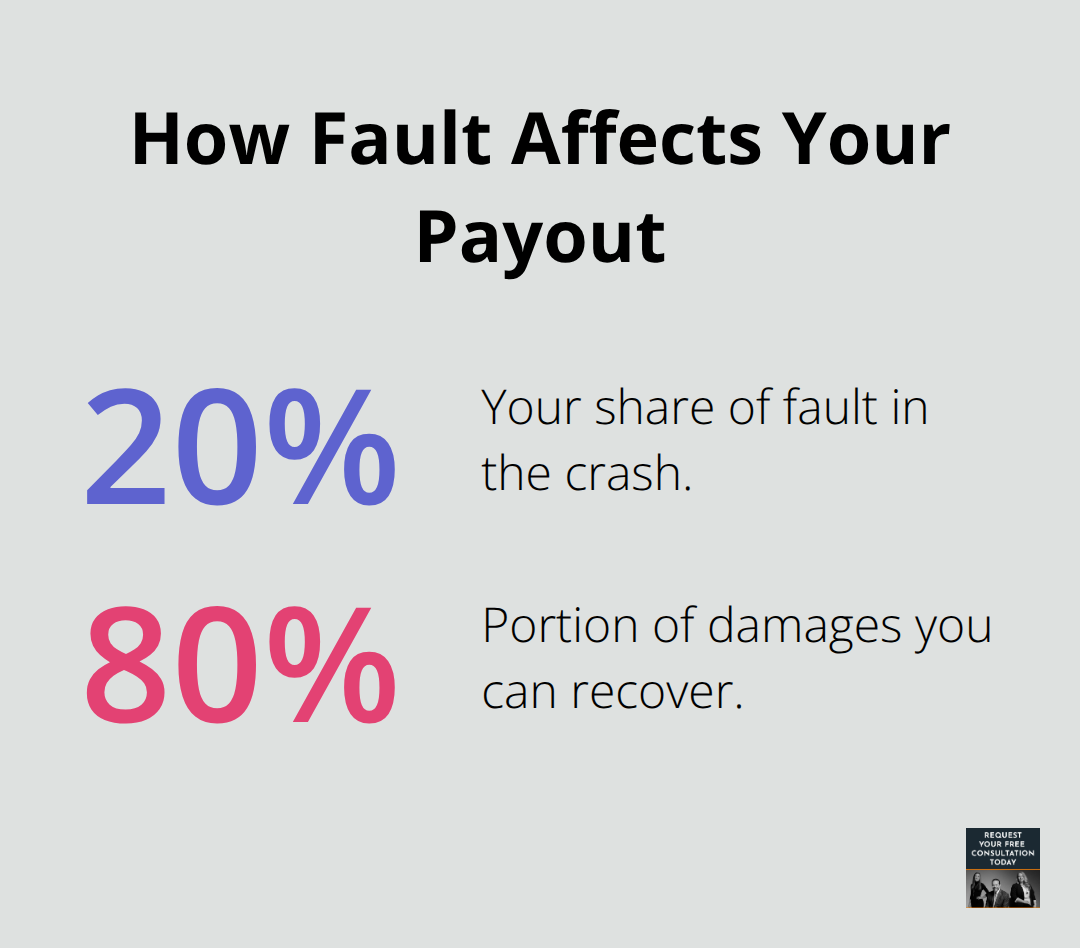
Insurance adjusters evaluate your claim using a straightforward formula: liability plus damages equals compensation. The adjuster reviews the police report, examines vehicle damage, assesses medical records, and determines fault based on California’s comparative negligence rules. If you are 20% at fault, you recover 80% of your damages. The Fair Claims Settlement Practices Regulations require insurers to acknowledge your claim within 15 days and respond to your proof of claim within 40 days, though most adjusters work faster if your documentation is organized and complete.
Your recovery file matters enormously here because adjusters process hundreds of claims monthly and reward organized claimants with faster resolutions. When the adjuster inspects your vehicle, point out specific damage areas and mention any symptoms you experienced at the moment of impact, since vehicle damage correlates with injury severity and helps them understand injury causation.
Challenging Low Valuations
If the adjuster’s valuation seems low, you can request the formal appraisal process under California law, where two appraisers and an umpire settle disputes over your vehicle’s actual cash value. This process takes longer but protects you from underpayment when significant gaps exist between the insurer’s offer and repair estimates.
Three Categories of Recoverable Damages
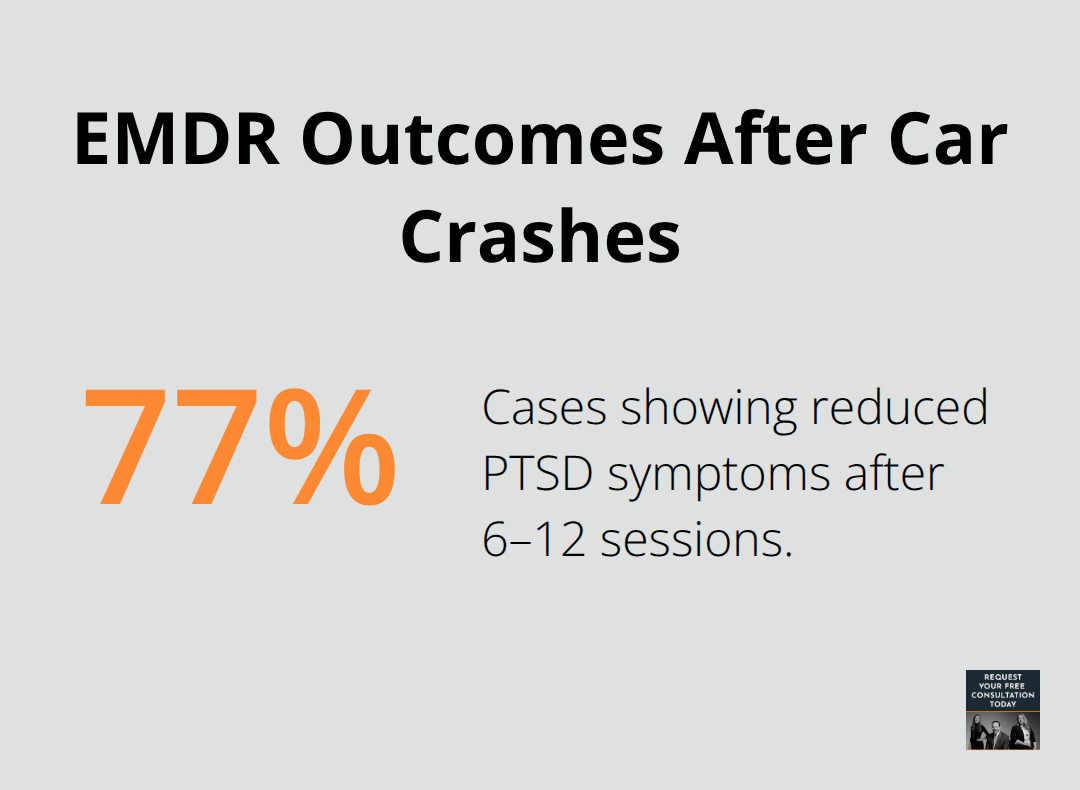
Damages in California car crashes fall into three categories: medical expenses, lost wages, and pain and suffering. Medical damages include all treatment costs from the crash date forward, so ongoing physical therapy, mental health care, and future medical needs all count. The American Psychological Association reports that panic, sleep disturbance, anxiety, depression, and PTSD occur frequently after crashes, and trauma-focused therapy like EMDR reduces PTSD symptoms in roughly 77% of cases after 6 to 12 sessions.
Lost wages cover income you cannot earn during recovery, and you must document this with pay stubs and employer statements. Pain and suffering compensation reflects how the crash affected your daily life, work capacity, and emotional well-being, and settlement values typically range from one to five times your medical expenses depending on injury severity.
Settlement Values and Timelines
Santa Cruz County verdicts and settlements at reputable firms regularly reach six and seven figures for serious cases, underscoring why organized documentation from day one strengthens your position. Timeline expectations vary widely: minor property-damage-only claims resolve within 30 to 60 days, while injury claims involving ongoing treatment typically take 6 to 12 months or longer if disputes arise over liability or valuation.
The statute of limitations gives you two years to file a personal injury claim and three years for property damage from the crash date, so you have time to pursue treatment and gather evidence without rushing into settlement. As your claim moves forward, managing the actual costs of recovery-medical bills, vehicle repairs, and related expenses-requires careful attention to ensure insurers cover what they owe.
Managing Recovery Costs and Vehicle Damage
Medical Bills and Treatment Expenses
Medical bills pile up faster than most Santa Cruz residents expect after a crash. Hospital visits, emergency room care at Watsonville Hospital or Dominican Hospital, physical therapy sessions, and ongoing appointments create immediate financial pressure while you’re still recovering. Medical liens solve this problem by allowing healthcare providers to place liens on your eventual settlement, so you receive treatment now without paying upfront. Coordinate with both your medical team and a legal advisor to set up liens properly, since improper documentation can delay settlement months later.
Track every medical expense from day one, including prescriptions, therapy sessions, and any mental health treatment. The American Psychological Association confirms that panic, anxiety, depression, and PTSD occur frequently after crashes, and trauma-focused therapy like EMDR resolves PTSD symptoms in approximately 77 percent of cases over 6 to 12 sessions. Document which providers accept liens and which require payment at time of service, then budget accordingly. Your recovery file should include itemized medical bills, insurance explanations of benefits, and receipts for out-of-pocket costs, since insurers scrutinize medical expenses heavily and will question any gaps or inconsistencies.
Vehicle Damage Valuations and Disputes
Vehicle damage valuations often come in lower than repair estimates, creating frustration and delays. California law pays the lesser of repair costs or your vehicle’s actual cash value at the time of loss, and insurers know most people accept the first offer without question. Request the formal appraisal process if the valuation gap exceeds 10 percent of the estimate, where two independent appraisers and an umpire settle disputes over your vehicle’s fair market value. This process takes longer but protects you from underpayment on total losses or extensive damage.
Working with Insurance Adjusters and Repair Shops
When the insurance adjuster inspects your vehicle, be present and point out specific damage areas you’ve photographed. Ask about hidden damage that may require re-inspection, and verify that repair bills clearly label parts as OEM, aftermarket, or reconditioned. Aftermarket parts cost less but may affect resale value, so confirm the adjuster’s parts choices align with your vehicle’s pre-accident condition.
If you choose your own repair shop rather than the insurer’s recommended shop, the insurer must still pay reasonable costs to restore your vehicle completely. Santa Cruz County Sheriff’s Office can provide official crash reports that document impact severity, which correlates directly with damage extent and supports your valuation if disputes arise. Organize repair estimates chronologically, keep photos of damage from multiple angles, and maintain communication records with adjusters in your recovery file.
Final Thoughts
The car crash claim process in Santa Cruz County follows predictable steps when you stay organized and document everything from day one. Your recovery file transforms scattered photos and receipts into a compelling narrative that insurance adjusters respect and settle fairly. Two years for personal injury claims and three years for property damage give you adequate time to pursue treatment and gather evidence without rushing into inadequate settlements.
Most Santa Cruz residents can handle property-damage-only claims directly with insurers, but injuries introduce complexity that benefits from professional guidance. When medical bills mount, liability gets contested, or settlement offers seem low compared to your actual damages, consulting an attorney protects your rights and ensures you meet critical deadlines. The statute of limitations clock starts on your crash date, and missing filing deadlines eliminates your ability to recover compensation entirely.
We at Schaar & Silva LLP help Santa Cruz County residents navigate this process by connecting you with medical lien services to cover treatment costs during recovery, evaluating property damage claims for fair valuations, and addressing the emotional trauma that crashes create. Contact a local attorney early if injuries are serious or disputes arise, since early consultation prevents costly mistakes and maximizes your recovery. You’ve already survived the crash itself, and following these steps ensures the financial recovery matches the physical and emotional toll you’ve endured.
