
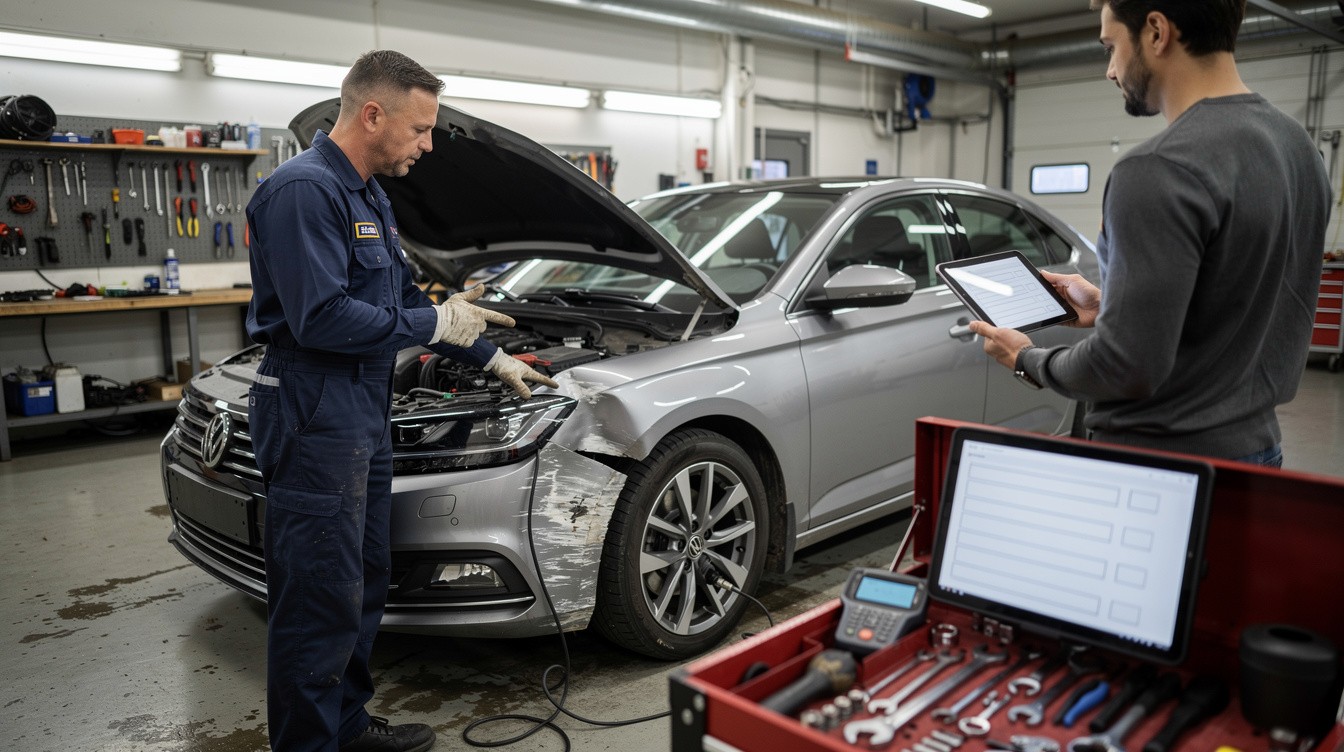
After a car accident, the repair process can feel overwhelming. We at Schaar & Silva LLP created this vehicle damage repairs guide to walk you through each step, from documenting damage to handling insurance claims.
You’ll learn how to get fair estimates, choose a trustworthy repair shop in Santa Cruz County, and protect your rights when disputes arise.
Assessing Your Vehicle Damage
Document the Damage with Photos and Video
Start documenting damage the moment it’s safe to do so. Capture photos and video from multiple angles, showing wide shots of the overall damage and close-ups of specific dents, scratches, paint damage, and any structural issues. Include photos of the accident scene, road conditions, and vehicle positioning if possible. Video proves particularly valuable because it shows the full extent of damage in context and timestamps your documentation.
Many insurance adjusters and repair shops will request this visual evidence, and having it ready speeds up the claims process significantly. If you’re injured or unable to document yourself, ask a family member or bystander to help. Don’t wait days to gather photos; damage assessment becomes harder when details fade and weather conditions change the appearance of the vehicle.
Get Multiple Repair Estimates from Local Shops
Contact at least three local repair shops in Santa Cruz County and request written estimates that break down labor costs, parts costs, and timeline. The national average labor rate at independent shops hovers around $140 per hour, though rates vary by region and shop reputation. When comparing estimates, look for shops that hold OEM certifications and I-CAR Gold Certification, which indicates technicians meet rigorous training standards.
A thorough estimate should address structural integrity, mechanical systems, cosmetic appearance, and sensor or electronics work if your vehicle has advanced driver assistance systems. If estimates vary significantly, ask the shop with the lowest bid why their price differs, as suspiciously low estimates often mean incomplete assessments. Before committing to repairs, request a Digital Vehicle Inspection that includes high-definition photos and videos showing exactly what needs repair and why.
Understand Your Insurance Coverage and Deductible
Review your policy documents or call your insurance company to confirm your deductible amount, coverage limits, and whether you have collision coverage. Ask your insurer whether they have preferred repair shops or if you can choose your own. You have the right to select any repair shop you want, not just those on your insurer’s preferred network.
Some insurers may pressure you toward specific shops, but that pressure doesn’t override your right to choose. If repairs exceed your coverage limits, you’ll need to pay the difference out of pocket or negotiate with the shop about payment plans. Understanding these details now prevents surprises later and positions you to make informed decisions about which repair shop fits your needs and budget.
With your damage documented, estimates in hand, and insurance coverage clarified, you’re ready to move forward with selecting a repair shop and understanding the repair process itself.
The Right Shop Makes All the Difference
Choosing a repair shop matters more than most car owners realize. The difference between a shop that follows manufacturer procedures and one that cuts corners can mean the difference between a vehicle restored to pre-accident condition and one with hidden problems that surface months later.
Verify Certifications and Qualifications
When evaluating shops in Santa Cruz County, prioritize I-CAR Gold Certification and OEM certifications for the manufacturers of your vehicle. I-CAR Gold Certification means technicians have completed rigorous training and the shop maintains high standards for collision work. OEM certifications signal that the shop has been approved by vehicle manufacturers to perform repairs according to factory specifications, not generic procedures.
Ask each shop directly whether they hold these certifications and request documentation. Call the shop and ask about their experience with your vehicle’s specific systems. If your car has advanced driver assistance systems, confirm they have in-house ADAS calibration equipment rather than outsourcing this work. Outsourcing calibration adds 3 to 5 business days to your repair timeline and introduces coordination delays. A shop with in-house calibration completes the job faster and integrates all systems properly.
Request a Detailed Repair Plan
Request a repair plan from your chosen shop, not just an estimate. A repair plan details the exact process to restore your vehicle, identifies all necessary parts upfront, and establishes a realistic timeline. This differs from a rough estimate because it accounts for structural work, mechanical systems, cosmetic refinishing, and sensor recalibration as a coordinated sequence.
The plan should specify which operations require OEM parts versus aftermarket components and explain why. Ask the shop to break down labor costs by task and provide a parts list with part numbers. If they resist providing this detail, that’s a warning sign. A transparent shop welcomes scrutiny because their work can withstand it.
Monitor Progress Throughout Repairs
Once you’ve selected your shop and received the repair plan, monitor progress actively. Request weekly text or photo updates showing the vehicle’s condition as disassembly and repair proceed. Many shops now offer digital workflows that let you track status online or via text without constant phone calls.
If your vehicle requires structural work, ask the shop to photograph the frame alignment process and the before-and-after measurements to verify proper geometry restoration. For paint work, confirm the shop uses OEM-matched paint and follows manufacturer specifications for application temperature and humidity. After major work like suspension or windshield replacement, confirm that ADAS recalibration has been scheduled and completed before you pick up the vehicle.
Protect Yourself from Unexpected Costs
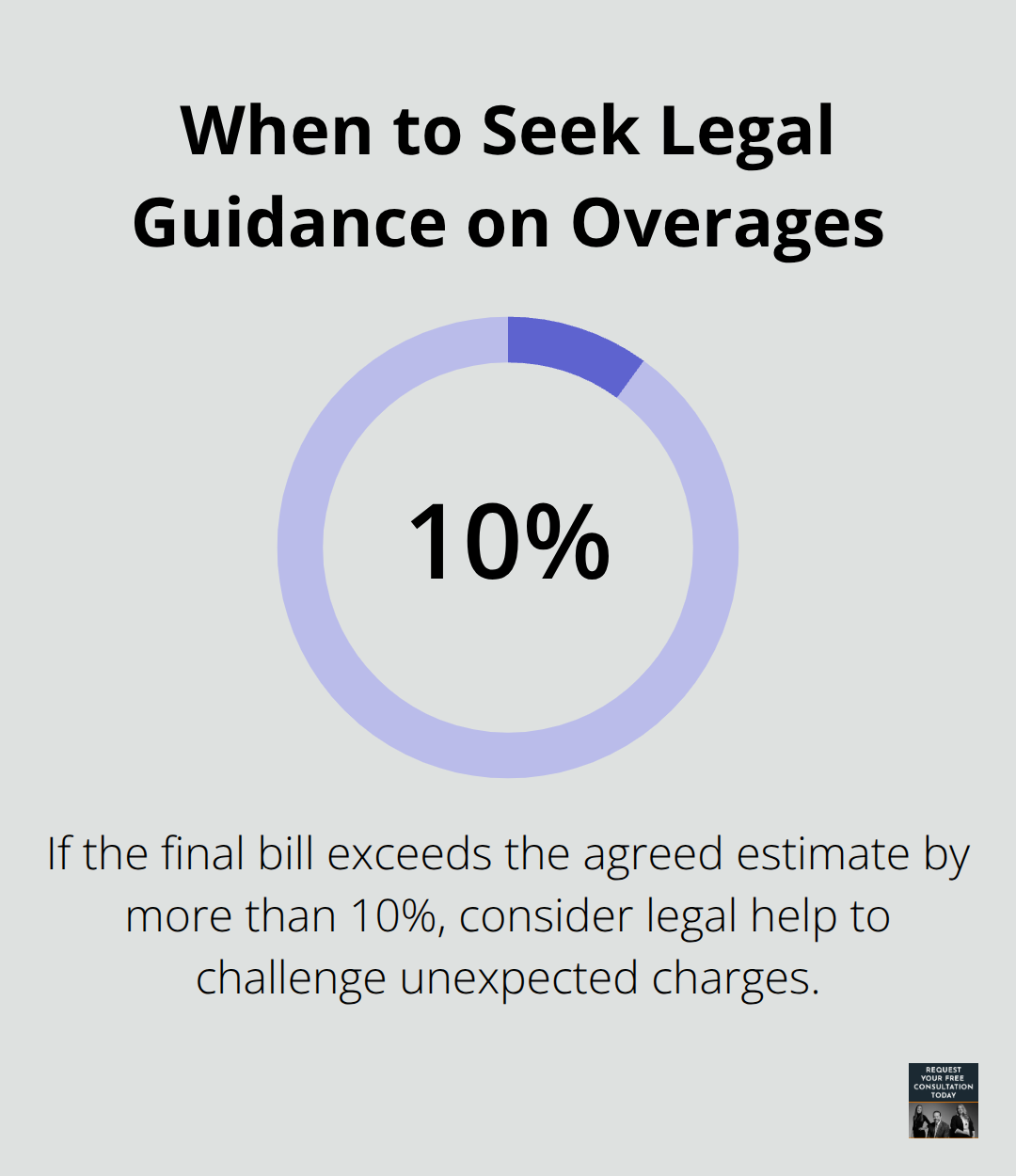
Don’t accept a vehicle until the shop provides written confirmation that all calibrations meet OEM standards. If disputes arise during repair or the final bill exceeds the agreed estimate by more than 10 percent, contact Schaar & Silva LLP for guidance on your rights and next steps.
Understanding what happens when costs spiral or quality issues emerge positions you to handle the insurance claims process with confidence.
Insurance Claims and Getting Fair Compensation
File Your Claim Immediately After an Accident
Contact your insurance company within 24 to 48 hours of the accident, even if you’re still assessing injuries or damage. Insurers track claim filing dates, and delays can complicate your case or trigger coverage questions later. Provide your insurer with the accident report number, photos you’ve documented, and names of witnesses. When you call, state facts only: location, time, vehicles involved, and injuries. Avoid admitting fault or speculating about what happened.
Your insurer will assign an adjuster who contacts you within a few business days to schedule a damage inspection. During this inspection, walk the adjuster through your documented photos and video, pointing out damage they might miss. Adjusters work quickly and may not catch cosmetic damage or sensor issues that affect repair costs. Hand them your written repair estimates from local shops so they understand the market rate for your area.
Challenge Undervalued Assessments
If the adjuster’s valuation falls short of your repair estimates, request a written explanation of their reasoning. You have the right to dispute their assessment and request a second opinion from an independent appraiser, a process called appraisal in most policies. This costs you nothing if your insurer’s estimate differs significantly from repair shop quotes.
Present your repair shop estimates as evidence of actual market costs in your area. Adjusters sometimes underestimate labor hours or miss structural damage that shops identify during detailed inspections. Understanding how claims evaluate damages empowers you to recognize fair settlements and challenge lowball offers that insurers present.
Exercise Your Right to Choose Your Repair Shop
Your right to choose a repair shop is absolute, regardless of what your insurer suggests. State law in California protects your freedom to select any certified repair facility, not just those on your insurer’s preferred network. If your insurer pressures you toward a specific shop, that pressure is not binding. Some insurers offer incentives like waived deductibles for using preferred shops, but accepting this trade-off means accepting their choice of repair quality.
Select a shop based on certifications, experience, and your confidence in their work-not on your insurer’s preferences. A shop that meets OEM standards and holds I-CAR Gold Certification will restore your vehicle properly, even if your insurer would prefer you use a cheaper alternative.
Handle Supplements and Unexpected Costs
When disputes arise during repair (unexpected structural damage, hidden frame damage, or calibration failures discovered mid-job), your repair shop typically issues a supplement to the original estimate and sends it to your insurer for approval. This process can add 5 to 10 business days to your timeline. If your insurer denies a legitimate supplement or refuses to pay for work that meets OEM standards, contact us for guidance on your legal options and next steps. Our legal team handles property damage claims and can push back against unfair settlements, ensuring you receive compensation that covers actual repair costs and not just what your insurer initially offered.
Final Thoughts
Repairing your vehicle after an accident requires patience, documentation, and informed decisions at every stage. This vehicle damage repairs guide has walked you through assessing damage, selecting a qualified repair shop, and navigating insurance claims-the three pillars that determine whether you receive fair compensation or accept a lowball settlement. Prioritize shops with I-CAR Gold Certification and OEM certifications, request detailed repair plans rather than rough estimates, and monitor progress actively throughout the process.
When your insurer’s valuation falls short of actual repair costs, challenge it with evidence from local shops and request an independent appraisal if needed. Your right to choose your repair shop is protected by California law, regardless of what your insurer prefers. If supplements are issued during repair or your insurer denies legitimate costs, you don’t have to accept an unfair settlement.
The legal team at Schaar & Silva LLP handles property damage claims and advocates for you when insurers undervalue your vehicle or refuse to cover necessary repairs. If disputes escalate or you face pressure from your insurer, contact Schaar & Silva LLP for guidance on your legal options and next steps.
