
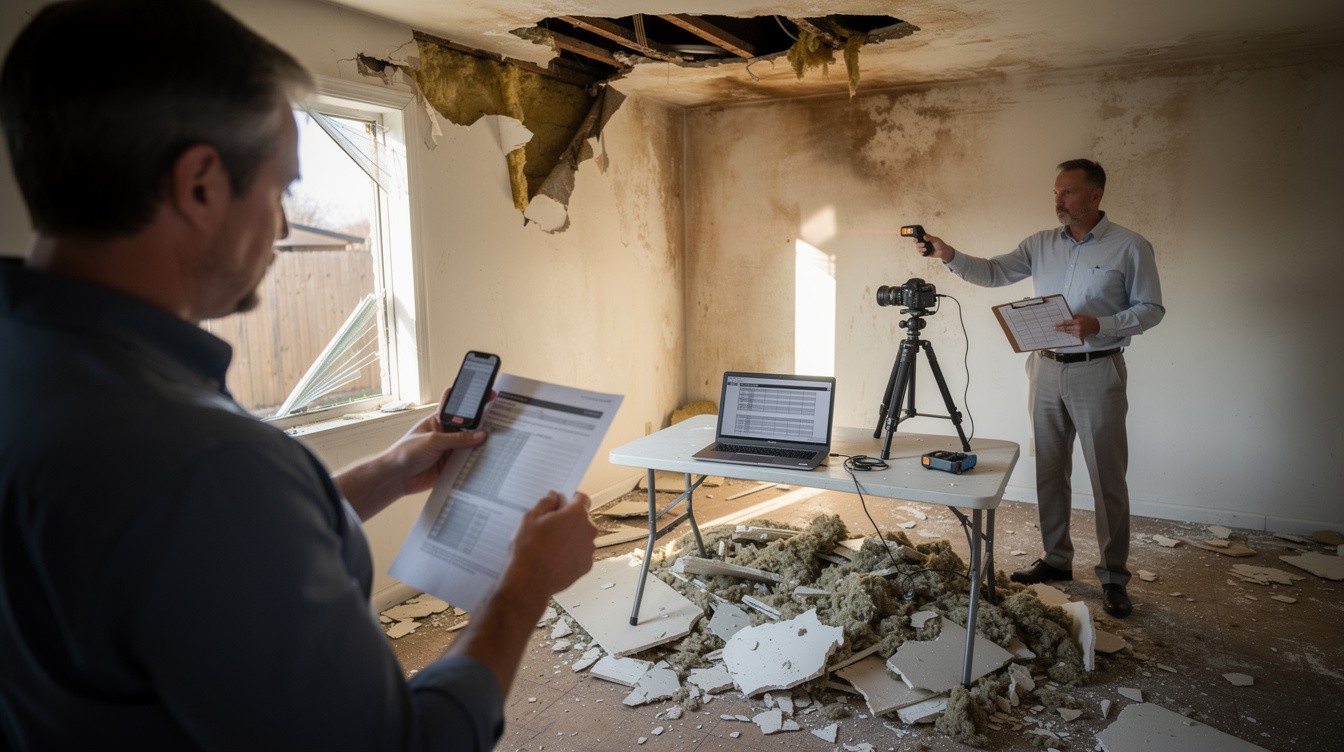
A car accident leaves you with more than just stress-it leaves you with property damage that needs proper valuation. Insurance companies often underestimate what your vehicle is actually worth, which means you could receive far less compensation than you deserve.
We at Schaar & Silva LLP created this property damage valuation guide to help you understand exactly how your claim works and what you’re entitled to receive. You’ll learn the documentation steps, valuation methods, and negotiation strategies that lead to fair settlements.
What Property Damage Actually Covers After Your Accident
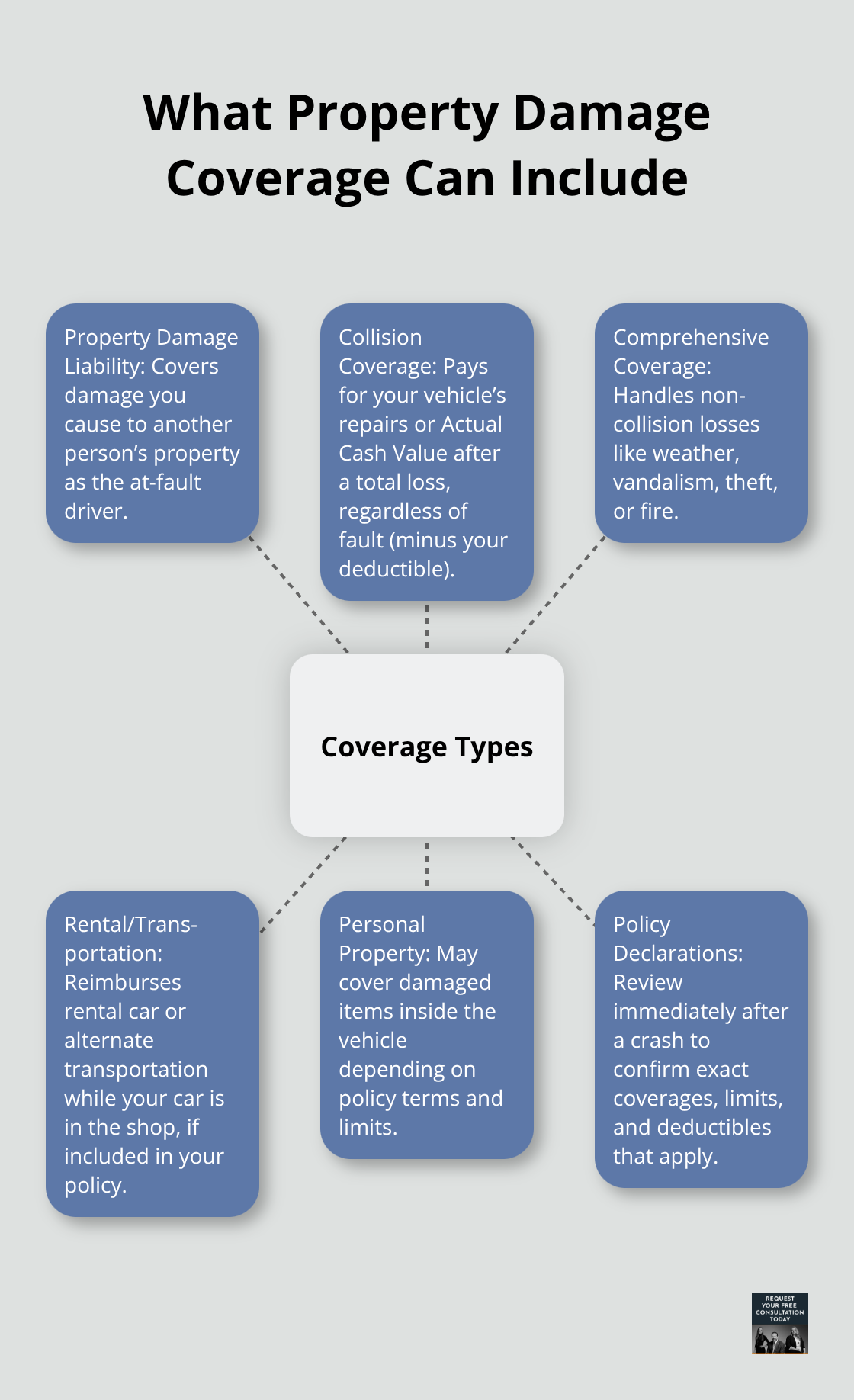
Coverage Types You Need to Know
Property damage from a car accident extends beyond just your vehicle. California law recognizes several categories of damage that insurers must address, though many victims never claim everything they’re entitled to receive. Your vehicle itself is the primary focus, but rental car costs, transportation expenses, and damage to personal property inside the vehicle can be recovered depending on your coverage. Property damage liability covers harm caused by the at-fault driver, while collision coverage lets you claim repairs or the cash value of a totaled vehicle from your own insurer regardless of fault. Comprehensive coverage handles non-collision damage like weather, vandalism, or fire. The coverage types that apply depend entirely on what’s written in your policy declarations page-reviewing that document immediately after an accident matters far more than most people realize.
How Insurers Calculate Vehicle Value
Accurate valuation determines whether you walk away with fair compensation or accept a lowball offer that leaves you short. Insurance companies use Actual Cash Value (ACV) to determine payouts, meaning they calculate what your vehicle was worth on the day of the accident based on wear and tear, mileage, cosmetic condition, and local supply and demand. This isn’t replacement cost-it’s the pre-crash market value minus any deductible. Underestimation happens constantly because adjusters cite cheaper third-party parts, deflate vehicle values, or claim repairs cost less than they actually do.
Negotiating Beyond the Initial Offer
The initial salvage value offer from an insurer is almost never final, and negotiating for higher compensation is not only possible but expected. If you disagree with the total loss determination or valuation, obtaining your own appraisal and repair estimates from licensed mechanics strengthens your position significantly. Documentation becomes your weapon: keep every repair bill, invoice, rental receipt, and photograph of damage. When estimates differ widely, align on a detailed scope of loss and obtain bids based on that identical scope so comparisons remain valid.
Understanding Total Loss Under California Law
For totaled vehicles, California’s Vehicle Code Section 544 defines total loss as when repair costs plus salvage value equal or exceed the vehicle’s ACV, or when the insurer determines repair is uneconomical. Understanding these specifics prevents you from accepting settlements that don’t reflect your actual loss. The valuation process directly impacts what happens next-whether you repair, keep the vehicle with salvage value deducted, or pursue additional compensation through legal channels.
How to File and Track Your Property Damage Claim in California
Start Documentation Immediately After the Accident
Start documenting everything the moment the accident happens, and waiting even a few days weakens your position significantly. Photograph the vehicle from multiple angles, capture the surrounding scene, and take close-ups of specific damage areas. Collect the police report number, get contact information from witnesses, and note the exact date, time, and location. Insurance adjusters rely on what you provide, so gaps in your documentation translate directly into lower valuations.
Within 48 hours, contact your insurer to report the claim and request a claim number. Ask for written confirmation of your coverage limits, deductibles, and which specific coverages apply to your situation. Many victims overlook this step and later discover their policy doesn’t cover what they assumed it did. Keep everything in one place: photos, receipts, repair quotes, rental car invoices, and correspondence with the insurer. This file becomes your evidence if disputes arise later.
Understand the Adjuster’s Role and Limitations
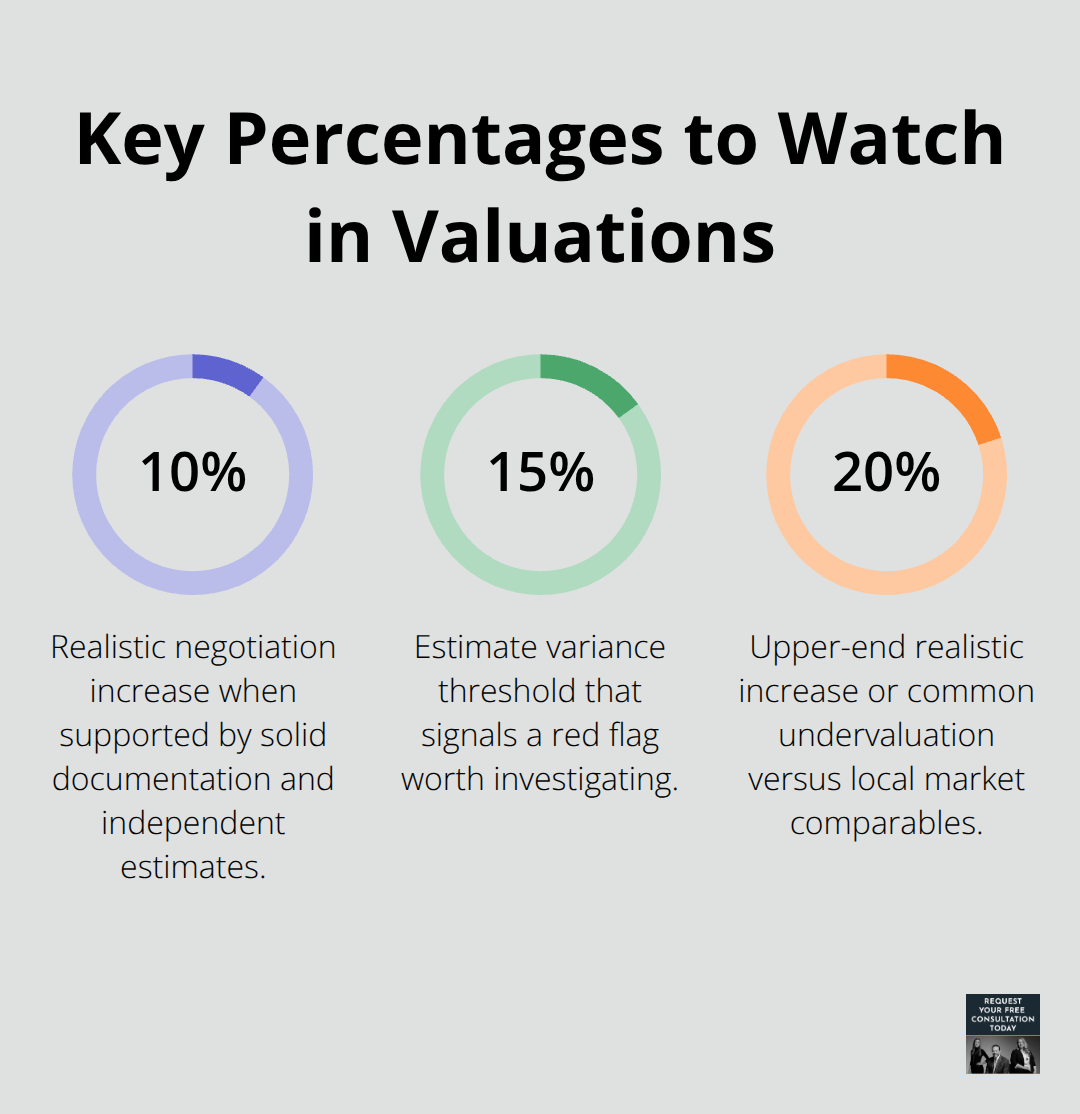
Working with adjusters requires clear boundaries and consistent follow-up. The adjuster assigned to your case represents the insurance company’s financial interests, not yours, so expect lowball offers and pressure to settle quickly. When the adjuster provides an estimate, obtain your own repair quote from a licensed local mechanic to compare. If estimates differ by more than 10 to 15 percent, that’s a red flag worth investigating.
Request a detailed scope of loss in writing so both parties agree on exactly what damage will be repaired. If the adjuster refuses to provide this document, escalate to the supervisor.
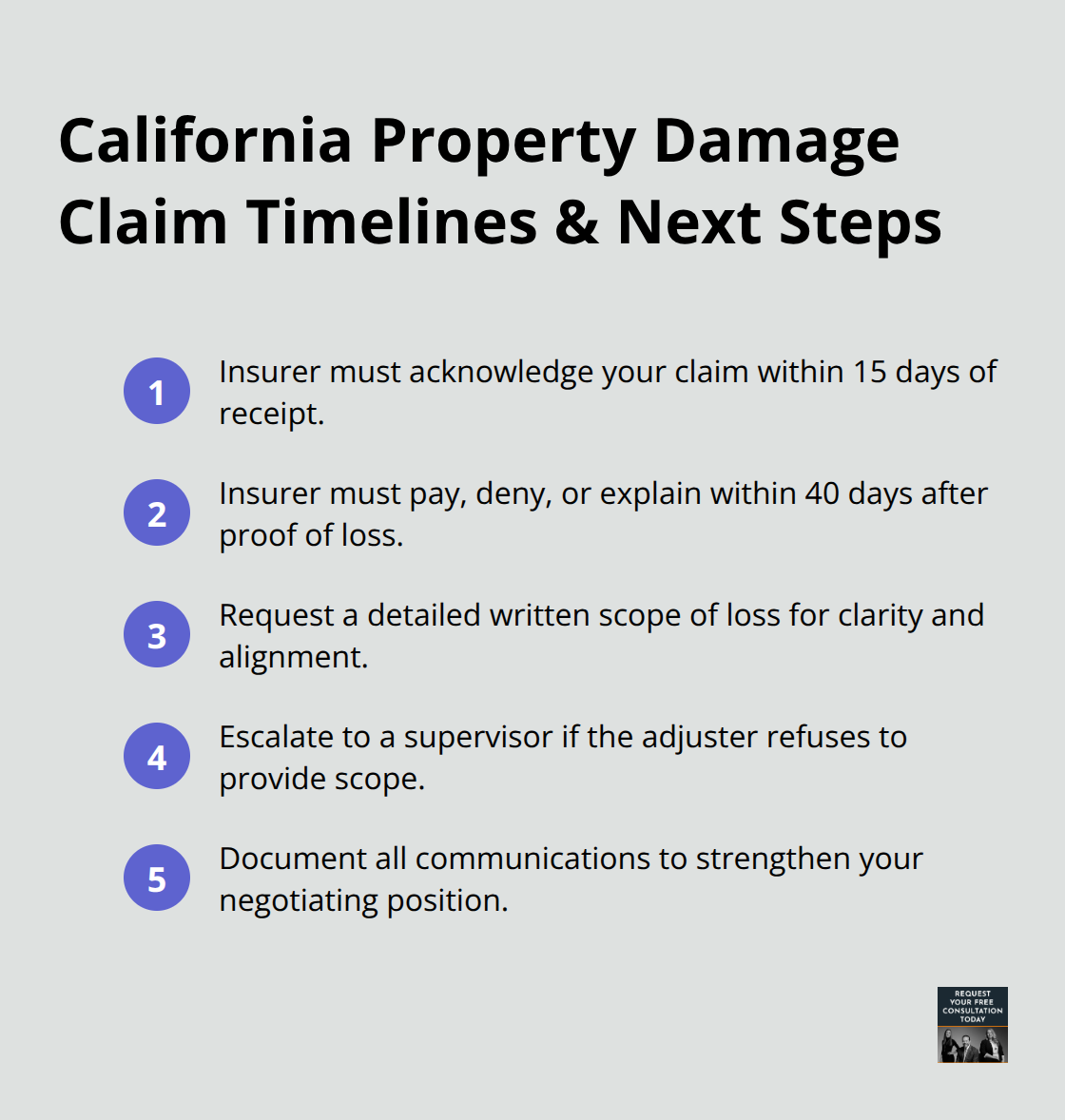
California law requires insurers to acknowledge claims within 15 days and settle within 40 days after proof of loss, and documentation of their refusal strengthens your position if you need legal support later.
Know What Settlement Timelines Actually Look Like
Settlement timelines vary dramatically depending on whether your vehicle is repairable or totaled. Repair claims typically resolve within 30 to 60 days once the body shop completes work, but totaled vehicles can take longer if you dispute the valuation. Don’t accept the first offer if you believe it’s unfair. Negotiating for 10 to 20 percent more is realistic when you have solid documentation and independent estimates backing your position.
The next step involves understanding exactly how insurers calculate what your vehicle is worth and what tactics they use to reduce that number.
Getting Your Vehicle’s True Value
How Insurers Calculate Vehicle Valuation
Insurance companies rely on formulas and databases to calculate your vehicle’s worth, but those formulas often undervalue what you actually lost. Kelley Blue Book and NADA Guides are the industry standards adjusters use to establish fair market value, yet these tools don’t account for your specific vehicle’s condition or local market variations in Santa Cruz, Sacramento, and Oakland. When an adjuster provides a valuation, cross-reference it against both Kelley Blue Book and local dealership listings for identical or similar vehicles in your area. You’ll frequently find the insurer’s number sits 10 to 20 percent below what comparable vehicles actually sell for in your market.
Identifying Excessive Depreciation
The actual cash value calculation includes deductions for mileage, wear and tear, and cosmetic damage, but adjusters often apply excessive depreciation to parts that shouldn’t be depreciated at all (particularly structural components). Demand that the adjuster provide their valuation methodology in writing and cite which comparable vehicles they used. If their comparables are from different regions or have significantly different mileage and condition, push back immediately. A vehicle with 80,000 miles and excellent maintenance history shouldn’t be valued the same as one with 140,000 miles and unknown service records, yet adjusters sometimes ignore these distinctions to lower their payout.
Challenging Lowball Offers with Documentation
Licensed mechanics in your area can provide repair estimates that serve as powerful negotiation tools, especially when multiple shops quote the same damage at higher figures than the adjuster claims. If your vehicle is totaled, salvage value negotiations matter significantly because that deduction comes directly from your payout. Challenge low salvage estimates by obtaining quotes from local salvage yards or recyclers who can document what your damaged vehicle would actually bring. The difference between a $500 and $1,500 salvage valuation directly affects your settlement.
When Disputes Require Professional Help
If disagreements persist after you’ve provided documentation and independent estimates, mediation or appraisal processes exist under California law to resolve disputes without litigation, though many victims don’t know these options exist. When the numbers remain far apart and your own research proves the insurer’s valuation is unreasonably low, consulting with an attorney becomes practical rather than optional. We at Schaar & Silva LLP can evaluate whether your property damage claim warrants legal involvement and handle negotiations that often result in settlements exceeding what victims could achieve alone.
Final Thoughts
Property damage valuation after a car accident demands attention to detail and willingness to challenge initial offers. The valuations insurers provide are starting points, not final settlements. You now understand how ACV calculations work, why documentation matters, and where adjusters commonly underestimate vehicle worth-this property damage valuation guide equips you with repair quotes, comparable vehicle data, and a clear scope of loss that creates real negotiating power most accident victims never use.
If the insurer’s offer aligns with your independent research and repair estimates, moving forward with settlement makes sense. If significant gaps exist between what you’ve documented and what the insurer claims your vehicle is worth, requesting mediation or appraisal under California law costs far less than accepting a lowball payout. Many victims settle too quickly because they lack confidence in their own research or feel overwhelmed by the claims process.
We at Schaar & Silva LLP help accident victims in Santa Cruz County, Sacramento, and Oakland evaluate property damage claims and negotiate fair settlements. Contact us for a free evaluation of your property damage claim and learn what your case is actually worth.
