
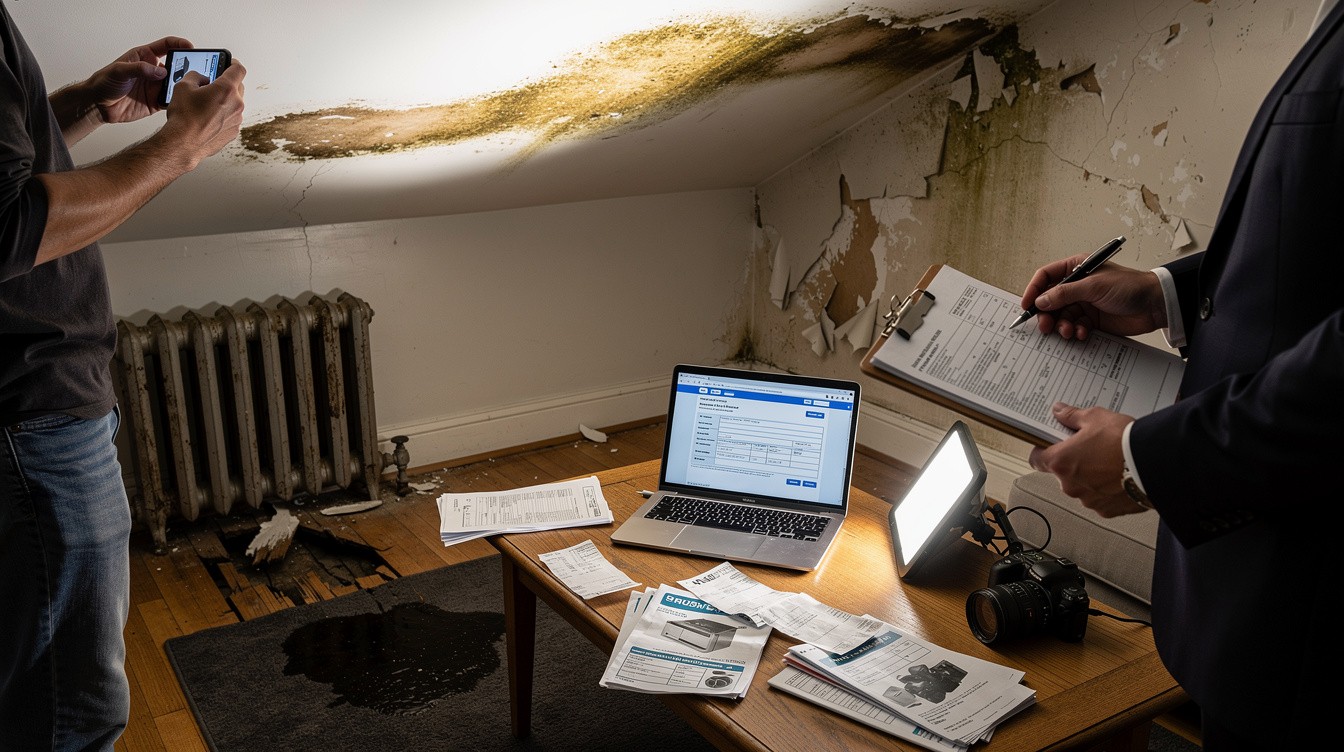
A car accident leaves you with more than just stress-it leaves you with property damage that needs to be addressed. Understanding the property damage claims process can mean the difference between a quick resolution and months of frustration.
At Schaar & Silva LLP, we’ve helped countless accident victims navigate this process successfully. This guide walks you through each step, from documenting the scene to reaching a fair settlement.
Immediate Steps After an Accident
Move to Safety and Call for Help
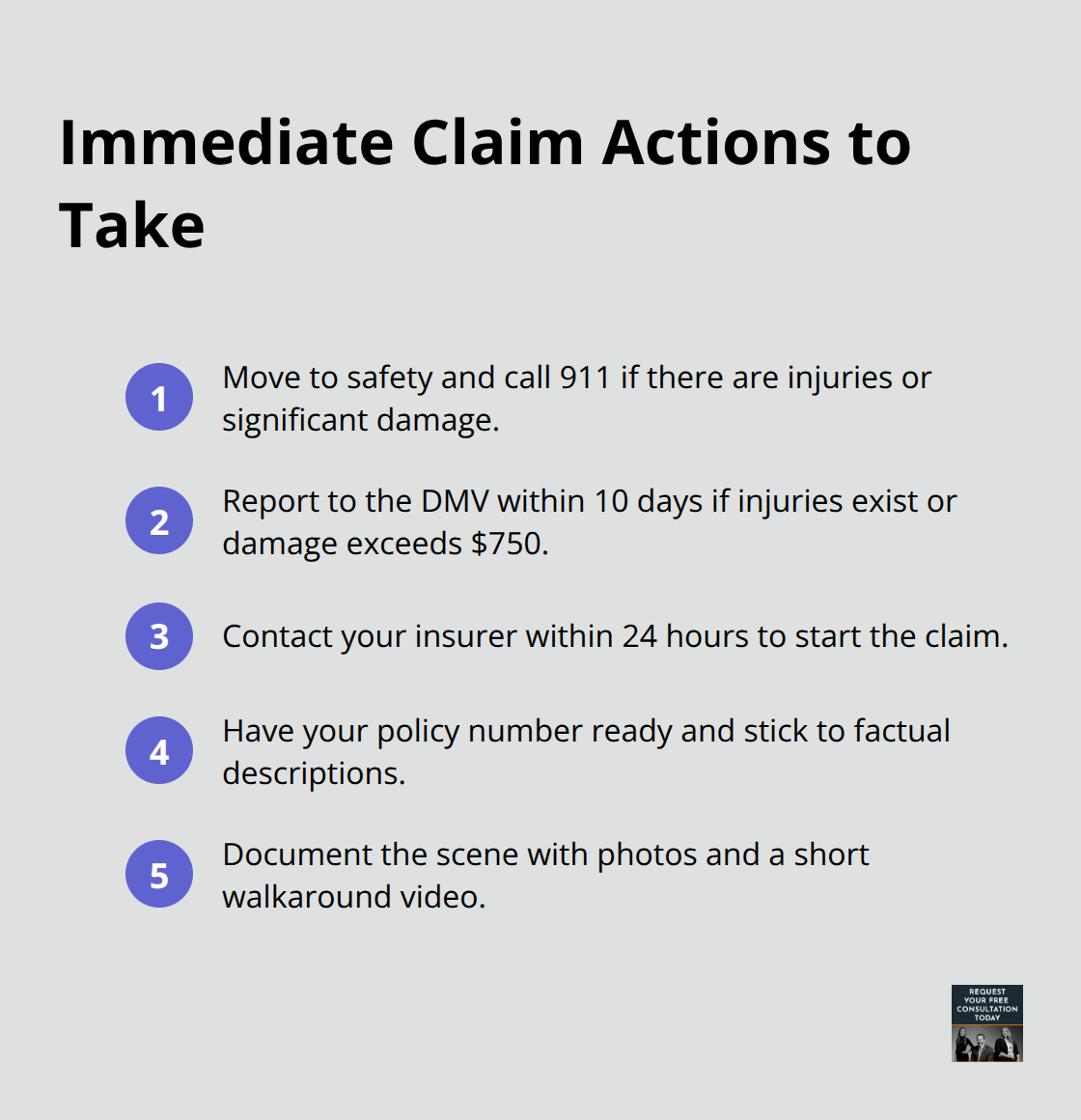
The moments immediately after a car accident determine how smoothly your property damage claim will proceed. Your actions in the first hour can either protect your claim or undermine it. Move to safety if possible, then call 911 if injuries or significant damage occur. California Department of Insurance guidelines require you to report to the DMV within 10 days if injuries exist or damage exceeds $750. Contact your insurance company as soon as you can, ideally within 24 hours, because delays complicate your claim and may trigger coverage questions. When you call, have your policy number ready and describe what happened factually without admitting fault or speculating about the cause.
Document Everything at the Scene
Photography serves as your most powerful tool at the accident scene. Take clear, well-lit photos of all vehicle damage from multiple angles, including close-ups of dents, scratches, and broken parts. Photograph the overall scene, road conditions, traffic signals, and any visible debris or skid marks. Record a short video walking around both vehicles if safely possible. This visual evidence protects your claim when disputes arise later.
Collect Critical Information
Obtain the other driver’s name, phone number, driver’s license number, license plate, VIN, and insurance information directly from them. If witnesses are present, ask for their names and phone numbers immediately, as their recollection remains freshest in the moment. Request the police report number when officers arrive, as this document becomes critical evidence in your claim.
Maintain Detailed Records
When you contact your insurer, provide all information clearly and maintain detailed records of who you spoke with, the date, time, and what was discussed. This documentation protects you if disputes arise later. In 2024, the average claims cycle took about 24 days, roughly six days longer than the prior year due to catastrophe backlogs and repair demand. Thorough initial documentation helps prevent additional delays that extend your timeline and accelerates the path toward valuation and settlement.
Understanding Property Damage Valuation
How Insurance Companies Calculate Your Vehicle’s Worth
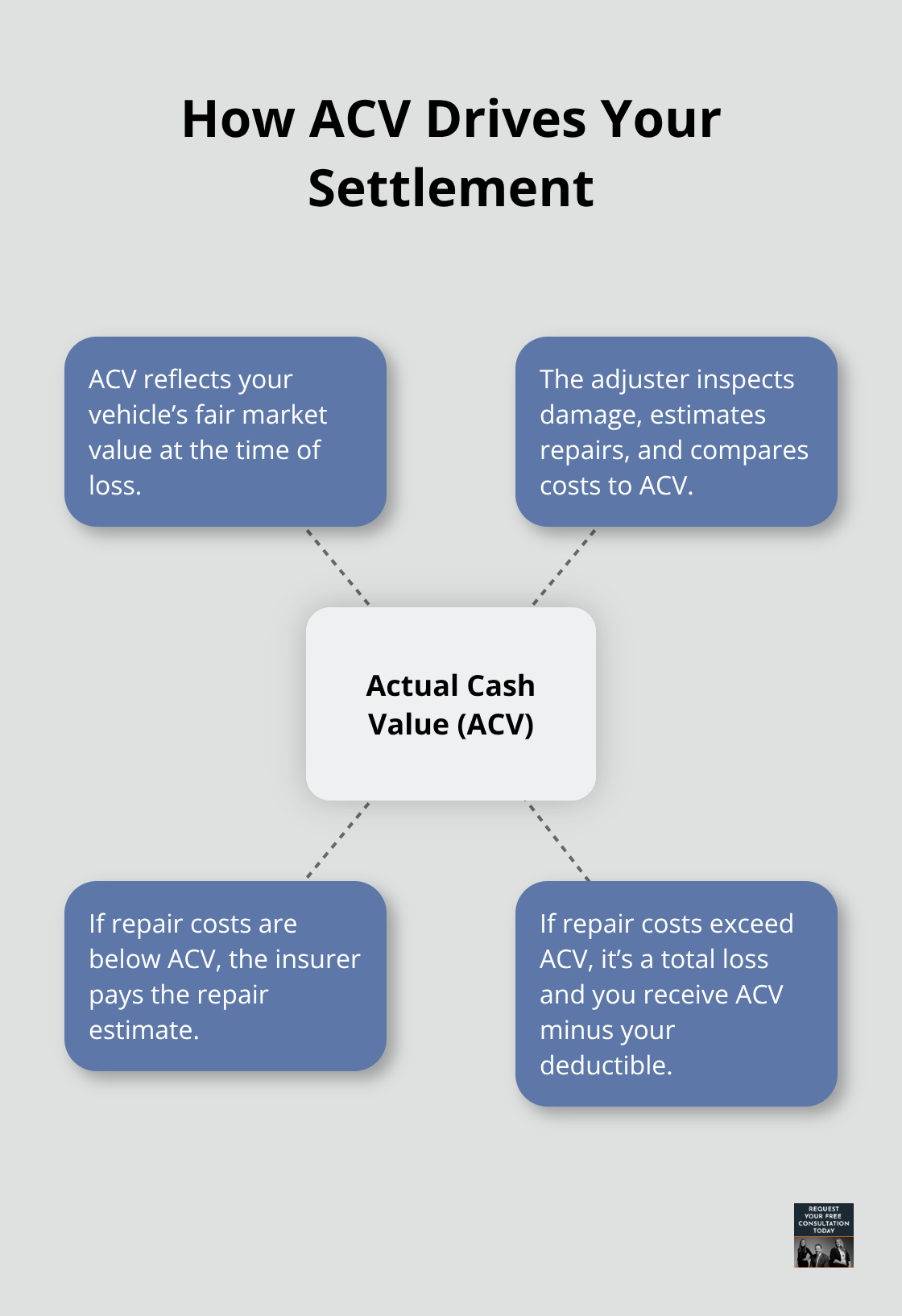
Insurance companies use actual cash value, or ACV, to determine what your damaged vehicle is worth at the time of loss. This is the fair market value of your vehicle before the accident occurred, not what you paid for it years ago or what you owe on a loan. The California Department of Insurance defines ACV as the standard used for settlement unless your policy explicitly states otherwise. Your insurer will assign an adjuster who inspects the vehicle damage, estimates repair costs, and compares those costs against your vehicle’s ACV. If repairs cost less than the ACV, you receive the repair estimate. If repairs exceed the ACV, your vehicle is deemed a total loss and you receive the ACV minus your deductible.
When Total Loss Declarations Change Everything
This distinction matters enormously because total loss payouts are often lower than what owners expect, particularly if your vehicle is older or has higher mileage. If you financed your vehicle and the payout is less than your loan balance, you remain responsible for the shortfall unless you purchased gap insurance, which covers this difference. Gap insurance protects you from owing money after a total loss settlement, so review your policy to confirm whether you have this coverage.
Protecting Yourself with Independent Appraisals
Getting an independent appraisal protects you when you disagree with the insurer’s valuation. Many policies include an appraisal provision that works like this: you and the insurer each select an appraiser, those two appraisers select a neutral umpire, and if the appraisers cannot agree on the value, the umpire’s decision becomes binding. This process costs money upfront but prevents you from accepting an undervaluation that leaves you with significant out-of-pocket costs.
Building Your Case for a Fair Settlement
Negotiating with your insurer requires organized evidence including clear photos of damage, repair estimates from licensed shops, and receipts for any temporary repairs you made. Present this evidence systematically to your adjuster and explain why their initial offer falls short. Settlement offers frequently do not cover all repairs after major disasters when contractor availability shrinks and material costs spike, so push back on initial offers that seem low. If the insurer remains unmoved, submitting additional evidence or requesting a second inspection can shift the negotiation.
Moving Forward with Valuation Disputes
When you and your insurer cannot reach agreement on vehicle value, you have options beyond accepting their offer. We at Schaar & Silva LLP can help you evaluate whether your settlement offer is fair and guide you through negotiations if disputes arise. The next step in your claim involves working directly with adjusters and repair shops to move from valuation toward actual repairs and final payment.
Navigating the Claims Process
File Your Claim with Complete Documentation
Your claim requires organized documentation submitted to your insurer within the timeframe specified in your policy. Gather your photos, the police report, repair estimates from licensed shops, and receipts for temporary repairs you’ve made. When you submit these materials, the insurer has 15 days to acknowledge your claim and begin an investigation according to Fair Claims Settlement Practices Regulations. Submit everything at once rather than trickling documents over weeks, as this speeds up the adjuster’s assessment. The adjuster will inspect your vehicle, determine what repairs are covered under your policy, and estimate the payout. Some insurers pay in installments with an initial payment to start repairs and a final payment upon completion, so confirm your payment schedule upfront to avoid surprises.
Request a Second Opinion When Needed
After the inspection, you can request a second opinion or hire an independent adjuster if you believe the estimate undervalues your damage, which is your right under most policies. This step protects you when the initial assessment seems low or incomplete. An independent adjuster brings fresh perspective and can identify damage the insurer’s adjuster missed.
Select Your Repair Shop Carefully
You have the right to select any licensed, reputable shop you want, and insurers cannot force you to use their preferred vendors (though they can recommend shops if you ask). The repair invoice must clearly identify whether parts are original equipment manufacturer (OEM), aftermarket, reconditioned, or used, since this distinction affects pricing and quality. Verify that the shop’s estimate aligns with what the adjuster approved before work begins, because scope creep during repairs can create payment disputes later. If additional damage surfaces during repairs, the shop should photograph and report it to the adjuster for approval before proceeding.
Respond to Disputes Within Required Timeframes
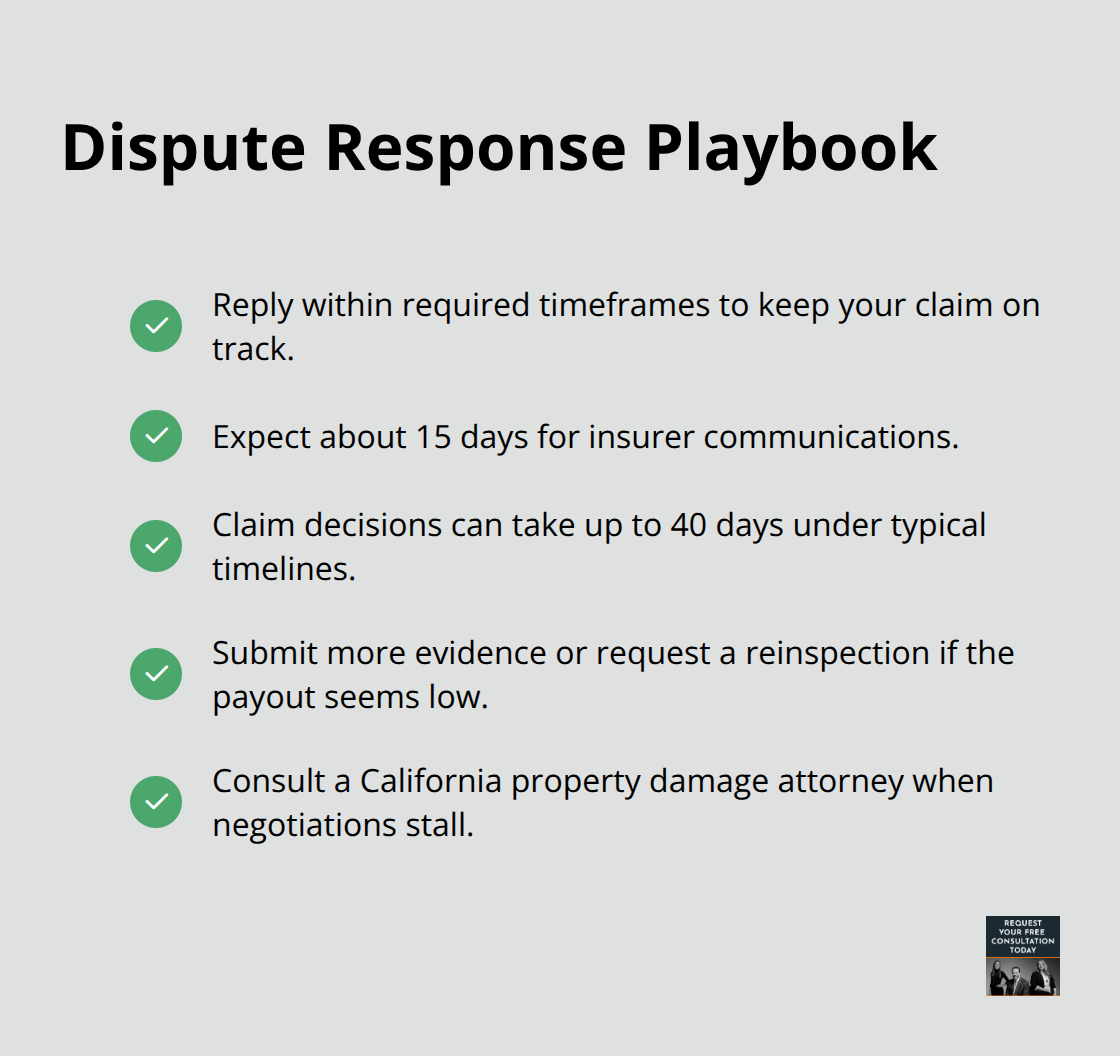
Disputes over coverage or payout amount require you to respond within the insurer’s stated timeframe, typically 15 days for communications and up to 40 days for claim decisions. If you disagree with the payout, negotiate with the insurer by submitting additional evidence or requesting a reinspection. When negotiation fails, consider consulting an attorney who handles property damage claims, particularly in California, where policy language varies widely and settlement offers frequently fall short of actual repair costs after major disasters.
Final Thoughts
The property damage claims process demands attention to detail at every stage, from the moment you photograph the accident scene through final settlement and repairs. You now understand how insurers calculate vehicle value, why independent appraisals matter when valuations seem low, and how to navigate disputes with adjusters and repair shops. The most successful claims come from people who gather evidence immediately, maintain organized records, respond promptly to insurer requests, and push back on settlement offers that fall short of actual repair costs.
Your situation may require legal guidance, particularly if the insurer denies your claim, offers a settlement that leaves you with significant out-of-pocket costs, or disputes coverage under your policy. California’s insurance regulations are complex, and settlement offers frequently undervalue damage after major disasters when repair costs spike. We at Schaar & Silva LLP can help you evaluate whether your property damage claim receives fair valuation for your loss.
After settlement, coordinate repairs carefully with licensed contractors and maintain detailed records of all work and expenses. Verify payment schedules upfront so you understand whether the insurer will pay in installments or as a lump sum. Some repair shops require initial approval before starting work, while others may discover additional damage during repairs that requires adjuster authorization.
