
Car accidents leave more than visible damage. The pain that follows can be overwhelming, affecting your ability to work, sleep, and live normally.
Pain management after a crash requires a clear roadmap. At Schaar & Silva LLP, we help accident victims understand their treatment options and protect their legal rights while they heal.
Common Pain Issues After Auto Accidents
Whiplash and Neck Pain
Whiplash ranks among the most common injuries from car accidents, and it often appears within hours or days rather than immediately. The violent force of impact throws your neck forward and backward faster than your muscles can stabilize, straining ligaments and soft tissues. Most people experience neck pain, stiffness, and reduced range of motion. Some develop tingling or numbness in the arms, which signals nerve involvement.
Back and Spinal Injuries
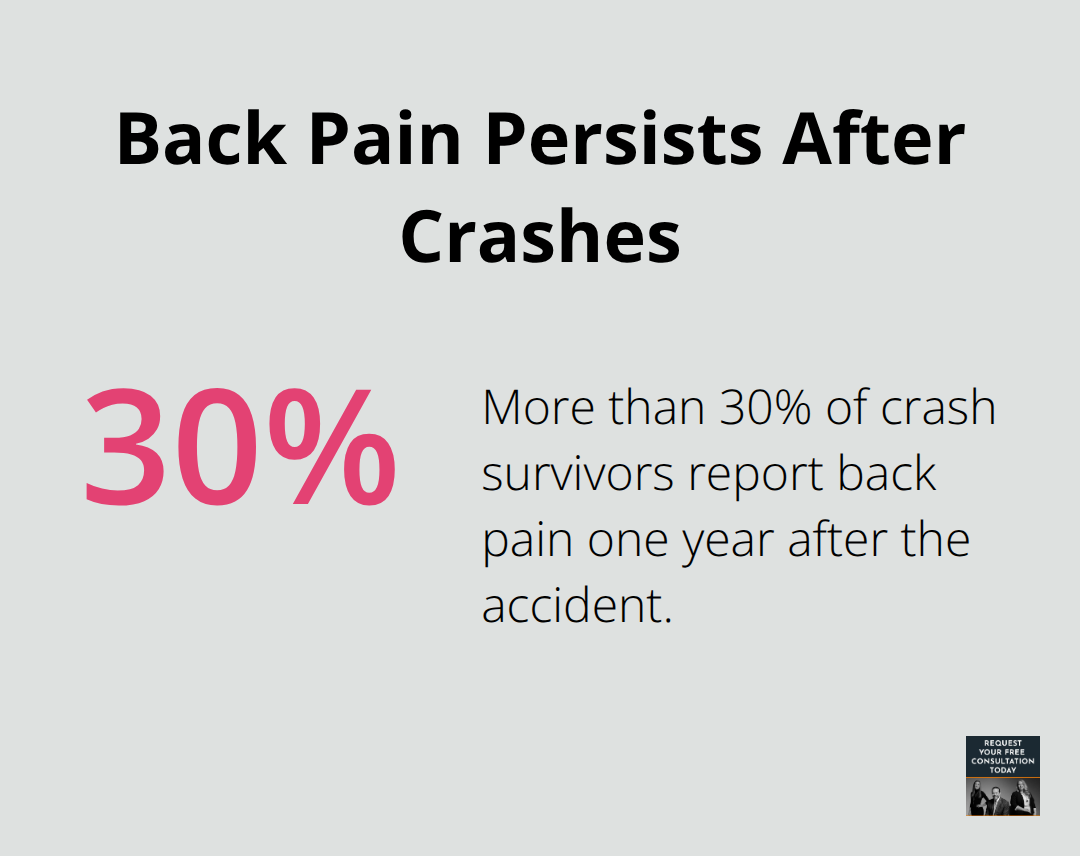
More than 30% of motor vehicle crash survivors report back pain one year after the accident, according to research data, which underscores how persistent these injuries become when left untreated. Back and spinal injuries merit immediate attention because the spine supports your entire body. A crash can misalign vertebrae, compress discs, or damage the tissue surrounding nerves. You might feel sharp pain, muscle weakness, or radiating sensations down your legs.
Soft Tissue Damage and Delayed Symptoms
Soft tissue damage-affecting muscles, tendons, and ligaments-compounds the problem because these injuries don’t always show up on standard X-rays. You can feel perfectly fine on day one and wake up on day three with severe muscle strain and inflammation. This delayed pain response is why seeking medical evaluation immediately after any crash, regardless of how you feel, matters more than waiting for symptoms to emerge.
Taking Action After Your Crash
Get examined by a medical professional within 24 to 48 hours, even if you feel uninjured. Document everything your doctor finds and follow their treatment recommendations precisely, because gaps in medical care can weaken both your recovery and any future legal claim. Chiropractic care offers a drug-free approach to address spinal misalignment before it becomes chronic pain. Physical therapy rebuilds strength and restores mobility through targeted exercises tailored to your specific injuries. If pain persists beyond a few weeks or worsens, discuss advanced imaging like MRI or CT scans with your doctor to rule out serious underlying damage.
Your pain levels, treatment frequency, and how injuries affect your daily life create a clear record that supports both your healing journey and any compensation claim you may pursue. This documentation becomes especially important when you work with a legal team that understands the connection between medical treatment and your case.
Medical Treatment Options for Post-Crash Pain
Physical Therapy Rebuilds Function Fast
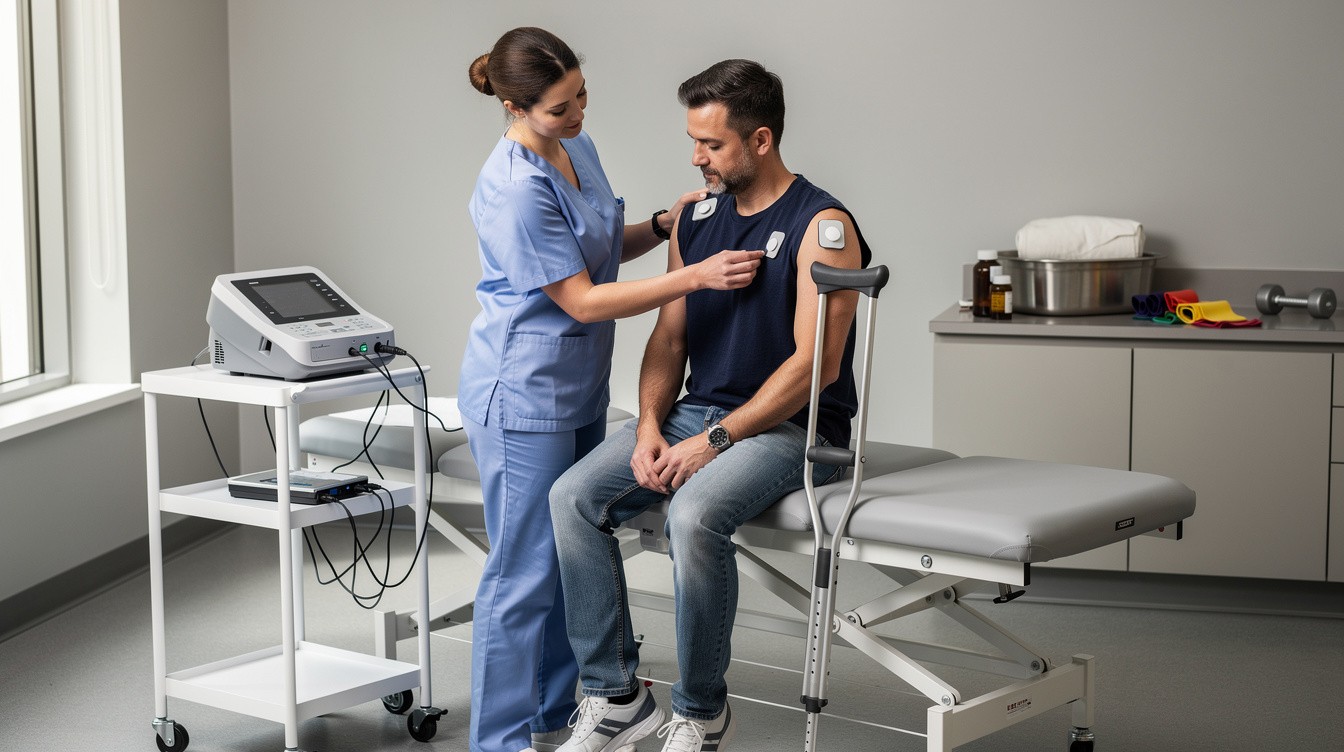
Physical therapy stands as the most effective first-line treatment for post-crash pain, and the data supports starting it early. Patients who begin physical therapy within two to four weeks of injury experience faster pain reduction and better long-term outcomes than those who delay. A physical therapist evaluates your specific injuries and designs a program targeting the damaged areas. For whiplash, this means gentle neck stabilization exercises that gradually restore range of motion without aggravating inflamed tissues. For back injuries, therapy focuses on core strengthening to support your spine and prevent compensation patterns that create secondary pain. Sessions typically occur two to three times weekly for four to eight weeks, though severe injuries may require longer treatment. The goal isn’t just pain relief-it’s rebuilding the strength and stability your body lost in the crash.
Medication Management Requires Strategic Planning
Medication management requires careful planning because different pain types respond to different drugs, and long-term use carries real risks. NSAIDs like ibuprofen reduce inflammation effectively for moderate pain but carry stomach bleeding and kidney risks with extended use, so they work best as short-term solutions. Acetaminophen provides an alternative for those with NSAID sensitivities, though daily doses shouldn’t exceed 4,000 mg and liver damage becomes a concern with prolonged use. Opioids enter the picture only for severe pain that doesn’t respond to other options, and they demand strict protocols. Research in the Journal of Clinical Medicine shows that about 90% of trauma patients entering emergency departments experience significant pain, yet many wait over an hour for relief when guidelines recommend treatment within 15 to 20 minutes. If your doctor prescribes opioids, use them exactly as directed, avoid sharing them, and plan an exit strategy with your doctor before dependence develops. Multimodal approaches-combining two or three different medication types-work better than relying on a single drug, as they reduce the total opioid exposure while improving pain control.
Advanced Treatments Target Structural Damage
Advanced treatment options like epidural injections, joint injections, and surgical interventions address specific structural problems that conservative care cannot fix. Epidural steroid injections deliver medication directly to inflamed nerves around the spine, often providing weeks to months of relief without systemic side effects. If imaging reveals disc herniation, nerve compression, or severe ligament damage, your doctor may recommend these injections before pursuing surgery. Surgery becomes necessary when conservative treatment fails and imaging confirms structural damage-examples include spinal fusion for unstable vertebrae or microdiscectomy to remove disc material pressing on nerves. Recovery from surgical intervention takes considerably longer than physical therapy alone, typically involving six to twelve weeks of restricted activity followed by rehabilitation.
Drug-Free Alternatives Worth Exploring
Chiropractic care offers a drug-free alternative that many crash victims find effective, particularly for spinal misalignment. Advanced chiropractic techniques like decompression therapy and targeted adjustments can reduce pain without medication or surgery, though results vary by individual and injury type. The key is selecting providers who use evidence-based methods and coordinate with your primary care doctor to ensure consistent treatment direction. Once you’ve stabilized your pain and begun rebuilding strength through these treatment pathways, the next phase focuses on how you actively participate in your own recovery through targeted exercises and daily habits that accelerate your return to normal function.
Rebuilding Strength and Regaining Mobility
Start Moving Within Your Healing Timeline
Recovery from a crash demands active participation through deliberate movement, consistent self-care, and gradual increases in physical demand. Your body heals faster when you move intentionally rather than remaining immobilized, yet the movement must follow your injury’s healing timeline. Start with gentle, doctor-approved exercises within the first week or two after injury. For whiplash, neck isometric holds-where you press your head against your hand without moving-build stabilizer muscles without straining healing ligaments. For back injuries, pelvic tilts and modified planks engage your core without excessive spinal loading. Research from the National Institutes of Health shows that seven to nine hours of sleep nightly accelerates healing, so prioritize rest as aggressively as exercise.
Fuel Your Recovery With Proper Nutrition and Hydration
Hydration matters more than most people realize during recovery. Try four to six cups of water daily to support tissue repair and reduce inflammation. Nutrition directly impacts how quickly your body heals damaged structures. Protein rebuilds muscle and ligaments, iron carries oxygen to healing tissues, zinc supports immune function, and vitamin C strengthens collagen formation in tendons and ligaments. As pain subsides over two to four weeks, increase exercise intensity and duration progressively. Move from passive range of motion exercises to active movement, then add light resistance training. This progression prevents re-injury while building the strength that protects against future damage.
Optimize Your Home Environment for Recovery
Your home environment either supports or sabotages recovery. Arrange your workspace so your monitor sits at eye level, your chair supports your lower back, and your keyboard keeps your wrists neutral-poor ergonomics prolong pain even after formal treatment ends. Cold therapy reduces swelling in the first 48 to 72 hours after injury; heat therapy loosens stiffness after that window closes. Apply ice for 15 minutes, rest for 15 minutes, then repeat. Emotional support from family and friends accelerates recovery measurably. Research shows strong social connections correlate with faster return to work and reduced pain perception. If you experience anxiety, depression, or trauma symptoms after your crash, seek counseling early. Studies indicate roughly one in three crash survivors develop PTSD, while about 17.4% experience depression. The American Psychological Association directory and the Anxiety and Depression Association of America both offer referrals to qualified counselors.
Sustain Long-Term Recovery Through Consistent Habits
Long-term lifestyle adjustments distinguish people who fully recover from those who live with chronic pain. Maintain the exercise habits you developed during formal therapy-even 20 minutes of walking or gentle stretching three times weekly prevents deconditioning and pain recurrence. Stress management through meditation or yoga reduces muscle tension that perpetuates pain. Continue the nutrition practices that supported healing; don’t revert to poor eating habits once symptoms improve. Medical treatment costs mount quickly, and compensation through your case can cover ongoing therapy, lost wages, and pain-related expenses while you rebuild your life.
Final Thoughts
Recovery after a crash follows a clear path when you combine effective medical treatment with strong legal support. Pain management after a crash addresses both the physical damage through physical therapy and medication, and the emotional wounds through counseling and social connection. Medical bills accumulate quickly during treatment, and lost wages mount as you miss work during recovery-this financial burden shouldn’t force you to choose between healing and paying rent.
At Schaar & Silva LLP, we help accident victims navigate both medical treatment and legal protection while they focus on getting better. We connect you with resources that facilitate payment of your medical bills until your case resolves, so you’re not trapped between treatment and financial hardship. If someone else caused your crash, you have the right to pursue compensation for medical costs, rehabilitation, lost income, and pain and suffering.
Contact Schaar & Silva LLP for a free consultation to discuss your accident, injuries, and legal options. Bring your medical records and accident details to that conversation, and we’ll evaluate your case while you concentrate on healing. With proper treatment and legal support working together, you can rebuild your strength and move forward.
