
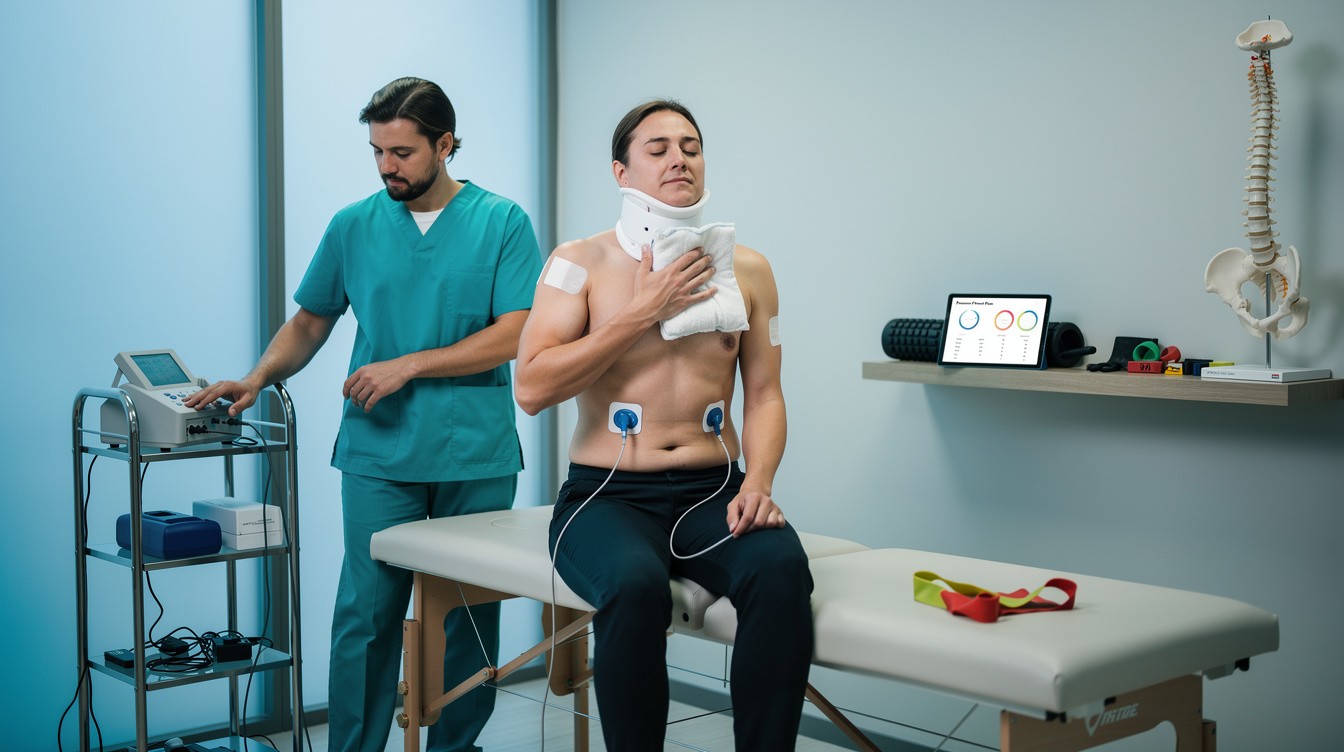
A car accident can leave you with pain that lingers for weeks or months. At Schaar & Silva LLP, we understand how frustrating it is to manage ongoing discomfort while dealing with medical bills and insurance claims.
This guide walks you through car accident pain management options, from immediate relief to long-term recovery strategies. We’ll also show you how to handle the financial side of your injury.
What You Must Do Right After a Car Accident
The first hours after a car accident determine how well you manage pain and protect your legal claim. Many people make mistakes in this window that cost them thousands of dollars later. Accident victims often delay medical care, skip documentation, or accept initial pain management advice that fails them months down the road.
Get Medical Attention Before Pain Intensifies
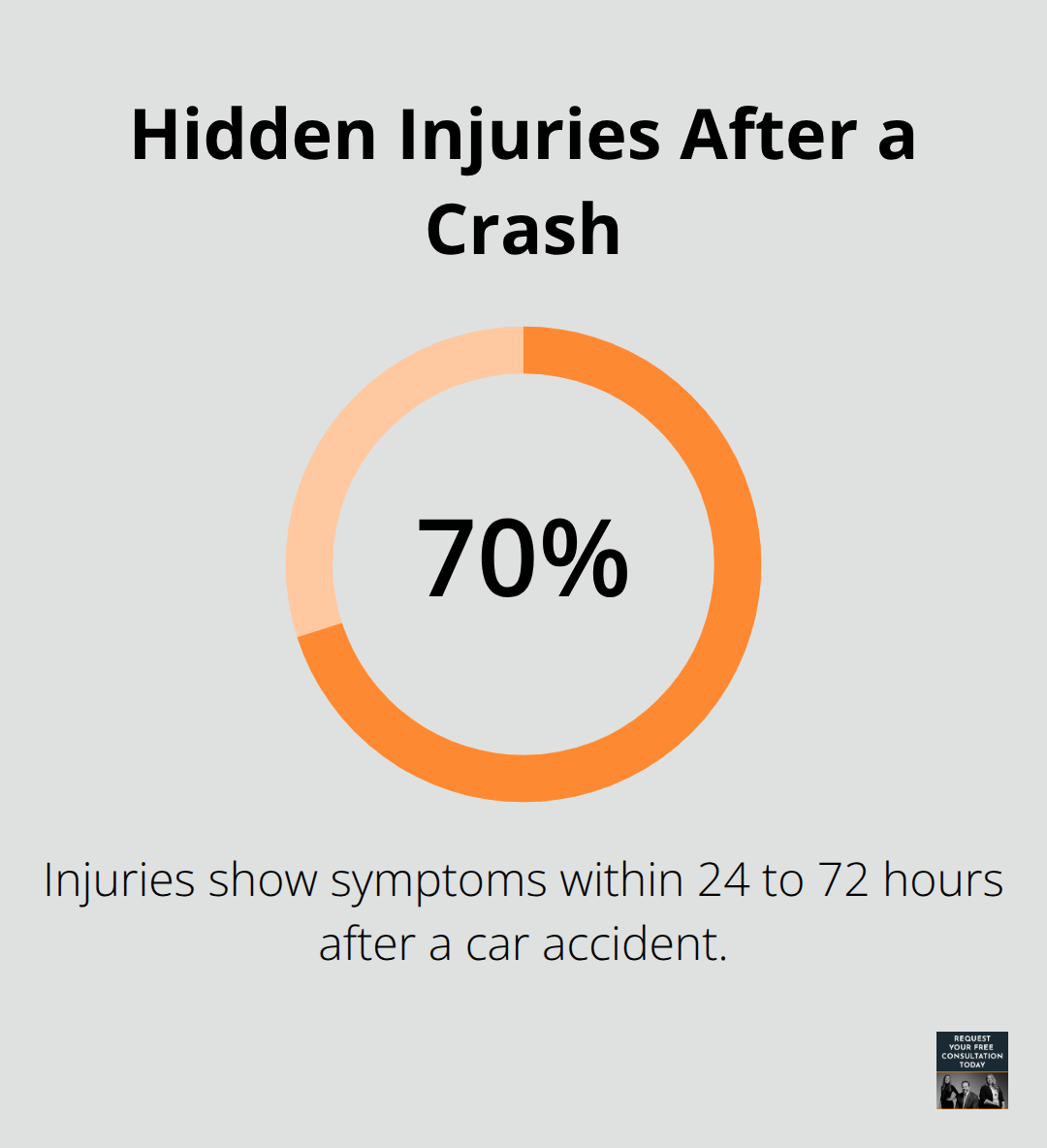
Do not wait to see a doctor just because you feel okay immediately after the crash. The National Highway Traffic Safety Administration reports that roughly 70 percent of car accident injuries develop symptoms within 24 to 72 hours. Whiplash, internal injuries, and soft tissue damage often hide themselves in the first few hours.
Head to an emergency room or urgent care facility if you experienced any impact to your body, even a minor one. If you feel dizzy, have difficulty breathing, or notice any pain in your neck or back, call 911. Do not drive yourself to the hospital if you suspect serious injury. The medical record you create on day one becomes your foundation for both recovery and your insurance claim.
Choose Pain Relief That Supports Your Claim
Over-the-counter pain relievers like ibuprofen or acetaminophen work for mild soreness in the first few days, but you must document everything. Keep receipts and write down what you took, when you took it, and how it affected your pain level. Your doctor may recommend prescription pain medication if your injury is moderate to severe. Tell your healthcare provider your pain intensity on a scale of one to ten. Do not minimize your pain to seem tough or downplay your injury. This documentation becomes evidence if you need to pursue compensation for medical expenses.
Document Every Detail for Your Claim
Photograph the accident scene, vehicle damage, and any visible injuries before you leave the location. Take pictures of the other driver’s license plate, insurance card, and driver’s license. Write down the names and phone numbers of any witnesses who saw what happened. Save all medical bills, prescription receipts, and appointment records in one folder. Request copies of your imaging results, X-rays, and doctor’s notes from your medical provider. This paper trail protects you when you work with legal representation to cover your expenses and hold the at-fault party accountable. With proper documentation in place, you’re ready to understand your insurance coverage and explore payment assistance options.
How to Build a Lasting Pain Management Plan
Physical therapy should start within two to four weeks of your accident, not months later. The American Physical Therapy Association found that patients who begin therapy early experience 40 percent faster recovery than those who delay treatment. Your physical therapist will assess your specific injuries and create a customized program targeting your pain points. Early intervention prevents scar tissue buildup and muscle atrophy that make long-term recovery harder. Work with your therapist twice weekly for at least six to eight weeks. Expect exercises focused on range of motion, strength building, and functional movement patterns. These sessions teach you techniques you’ll use at home between appointments. Many people see significant pain reduction within three to four weeks of consistent therapy. Document each session with your therapist, including exercises prescribed and your pain levels before and after treatment, as this information supports your medical claim.
Medication Approaches That Actually Work Long-Term
Prescription pain medication provides short-term relief but creates dependency risks if used beyond three months. The CDC reports that prolonged opioid use increases addiction risk by 25 percent after 90 days of continuous use. Nonsteroidal anti-inflammatory drugs like naproxen work better for soft tissue injuries because they reduce inflammation causing your pain. Muscle relaxants help if your accident caused muscle tension or spasms, but they work best alongside physical therapy rather than alone. Talk with your doctor about combining medications strategically. Some patients benefit from topical pain creams applied directly to injured areas, which reduces systemic medication exposure. Acupuncture and dry needling offer alternatives that some accident victims find effective for chronic pain.
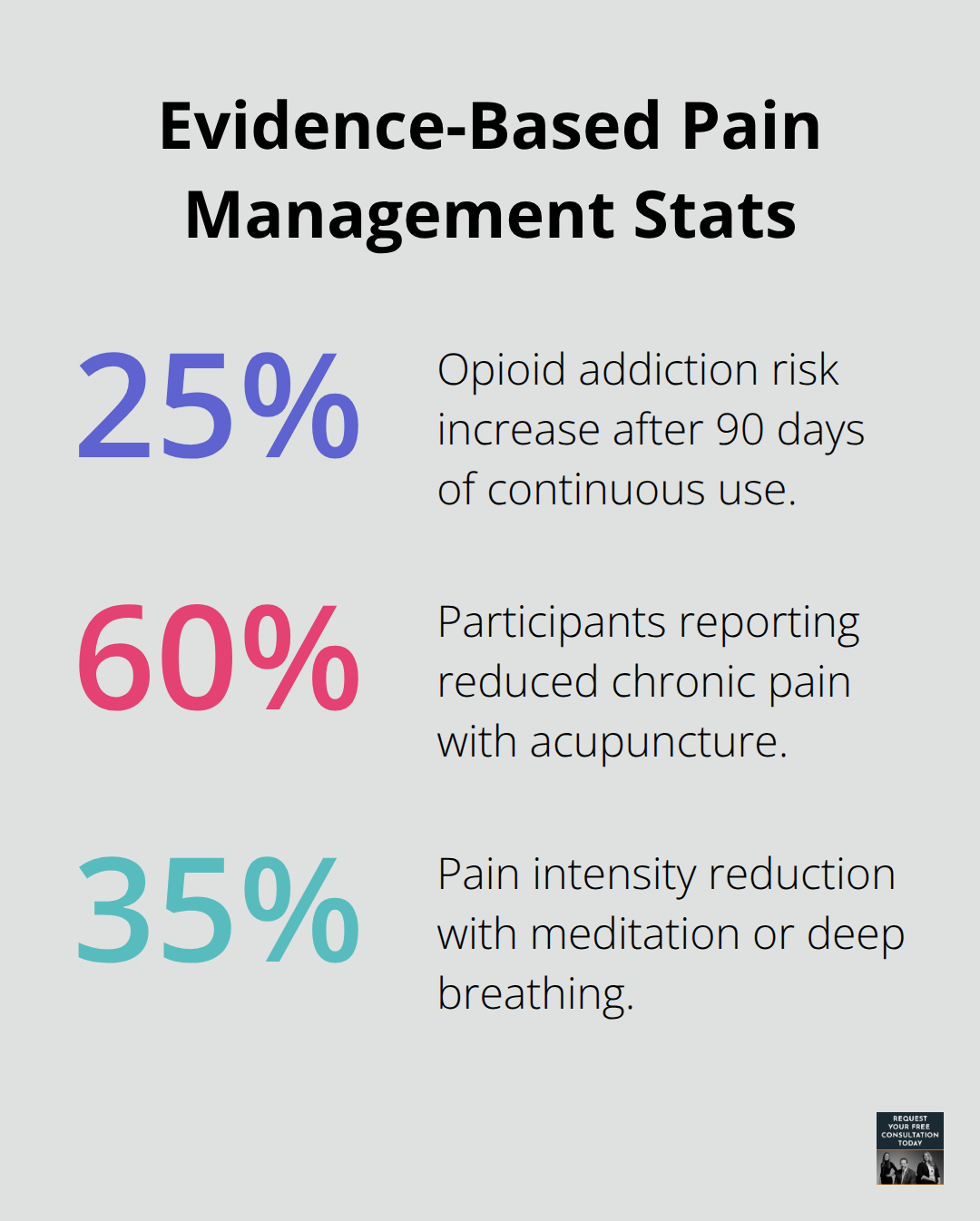
Research published in JAMA found that acupuncture reduced chronic pain symptoms in 60 percent of participants. These complementary approaches work best when combined with physical therapy and stretching routines you perform daily.
Lifestyle Changes That Reduce Pain Long-Term
Your daily habits directly impact pain recovery. Sleep quality matters enormously because your body repairs muscle and tissue damage during rest. Try seven to nine hours nightly and sleep on your back or uninjured side. Sitting posture worsens neck and back pain from car accidents. Keep your screen at eye level, take breaks every 30 minutes to stand and stretch, and avoid slouching. Heat therapy during the first 48 hours increases pain, but after that, alternating heat and ice helps manage inflammation. Apply ice for 15 minutes, then heat for 15 minutes, repeating this cycle three to four times daily. Gentle walking improves circulation without stressing your injuries. Start with 10-minute walks and gradually increase distance as pain decreases. Avoid heavy lifting and contact sports until your doctor clears you. Stress management reduces pain perception significantly. The Journal of Pain reported that patients practicing meditation or deep breathing experienced 35 percent less pain intensity compared to those without stress management practices.
Managing Medical Expenses During Recovery
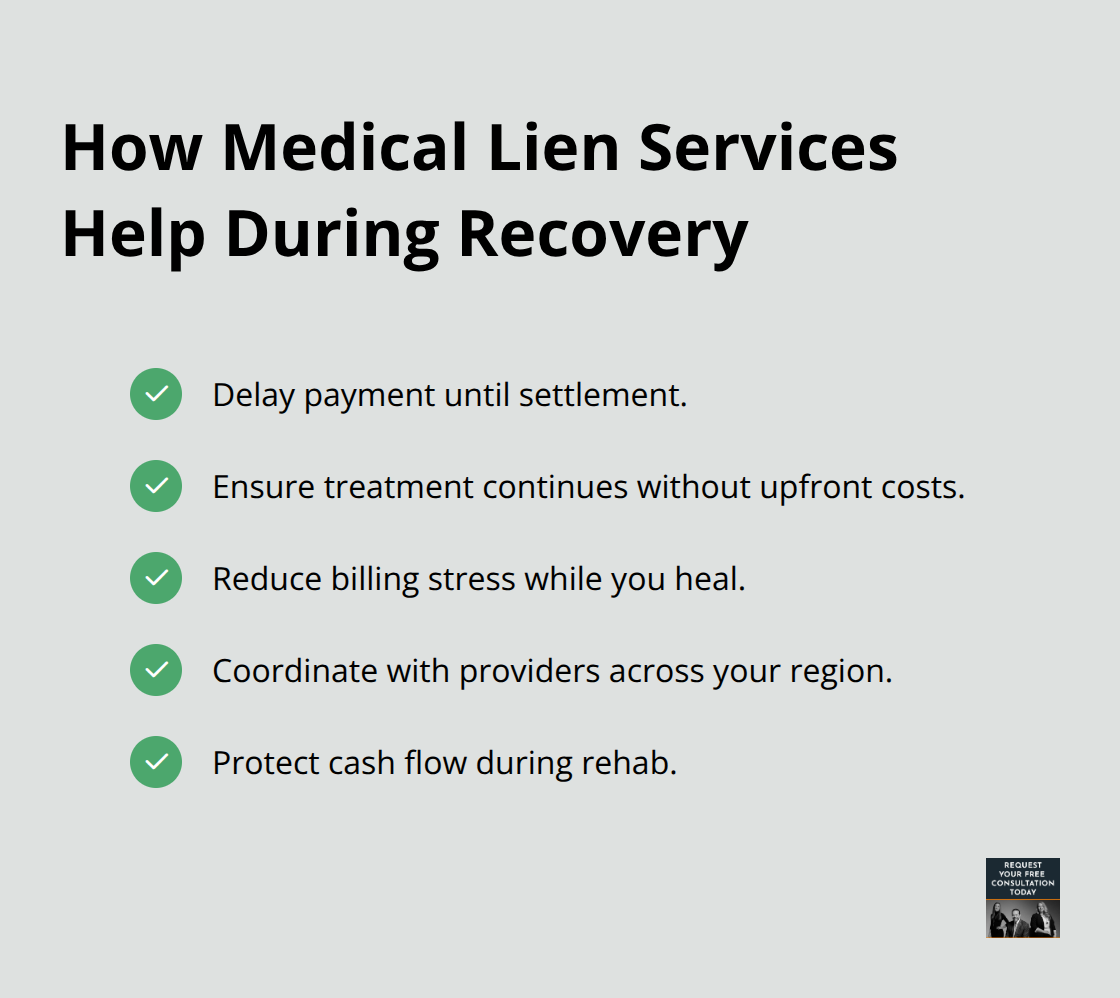
Medical bills accumulate quickly while you recover from your accident injuries. Insurance coverage varies significantly depending on your policy type and the at-fault party’s liability. Understanding what your coverage includes (medical payments, personal injury protection, or liability limits) helps you plan for out-of-pocket costs. Medical lien services allow healthcare providers to wait for payment until your case settles, reducing immediate financial pressure. At Schaar & Silva LLP, we help direct you to medical lien services that facilitate payment of your bills until your case is resolved. This approach lets you focus on healing rather than scrambling to pay providers during treatment. As your recovery progresses and your pain management plan takes shape, the financial side of your injury becomes clearer, making it time to explore how legal representation can recover these expenses from the at-fault party.
Paying for Your Recovery
Your insurance policy determines how much financial responsibility you carry during treatment, and most accident victims misunderstand their coverage limits. California requires drivers to carry minimum liability insurance of $15,000 per person and $30,000 per accident, but this barely covers a week of hospitalization. If you carry medical payments coverage or personal injury protection, these policies cover your medical expenses regardless of fault, up to your selected limit.
Understanding Your Coverage
Check your policy documents immediately after your accident to identify your coverage type and limits. Many policies include deductibles ranging from $500 to $2,500 that you pay before insurance kicks in. If the at-fault driver caused your accident, their liability insurance should cover your medical bills, but insurers often dispute injury claims or offer settlements far below actual costs. The American Journal of Public Health reports that 45 percent of accident victims with injuries costing over $10,000 face significant out-of-pocket expenses even with insurance coverage.
Medical Lien Services Eliminate Cash Flow Problems
Medical lien services solve this cash flow problem by allowing your healthcare providers to delay payment until your case settles. Hospitals and clinics treat you now and collect payment from your settlement later, eliminating the pressure to pay thousands of dollars while recovering. This arrangement keeps you focused on healing instead of juggling bills. Medical lien providers work with accident victims across Santa Cruz County, Sacramento, and Oakland to make treatment accessible without immediate payment demands.
Legal Representation Protects Your Settlement
When you work with legal representation, your attorney negotiates with medical lien providers and insurance companies simultaneously, ensuring bills get paid fairly from your settlement without depleting your compensation for lost wages and pain and suffering. At Schaar & Silva LLP, we direct you to medical lien services that facilitate payment of your bills until your case resolves, allowing you to access the care you need without financial strain. We also evaluate property damage claims to ensure fair valuation for vehicle repairs or replacement, which often provides additional funds for medical expenses. Your attorney recovers these costs from the at-fault party’s insurance or through litigation, meaning you don’t sacrifice your recovery compensation to cover bills that the responsible driver should pay.
Final Thoughts
Your car accident pain management journey extends beyond your medical appointments and into the financial and legal aspects of your recovery. Santa Cruz County, Sacramento, and Oakland residents face similar obstacles: mounting medical bills, insurance disputes, and pressure to settle before fully understanding their injuries. You now understand that early medical care protects both your health and your claim, that physical therapy within the first few weeks accelerates recovery, and that thorough documentation supports your compensation case.
Medical lien services in your area allow treatment to continue without immediate payment pressure, while insurance coverage varies by policy depending on your specific limits. Legal representation ensures the at-fault party covers your expenses rather than leaving you responsible for bills from injuries you didn’t cause. We at Schaar & Silva LLP help accident victims across your region navigate this entire process by directing you to medical lien services that facilitate payment of your bills until your case resolves and by evaluating your property damage claims for fair valuation.
Contact Schaar & Silva LLP to discuss your specific situation and receive clarity about your path forward. We review your case, explain your options, and outline what compensation you can realistically expect at no cost to you. This conversation gives you the information you need to move forward with confidence.