
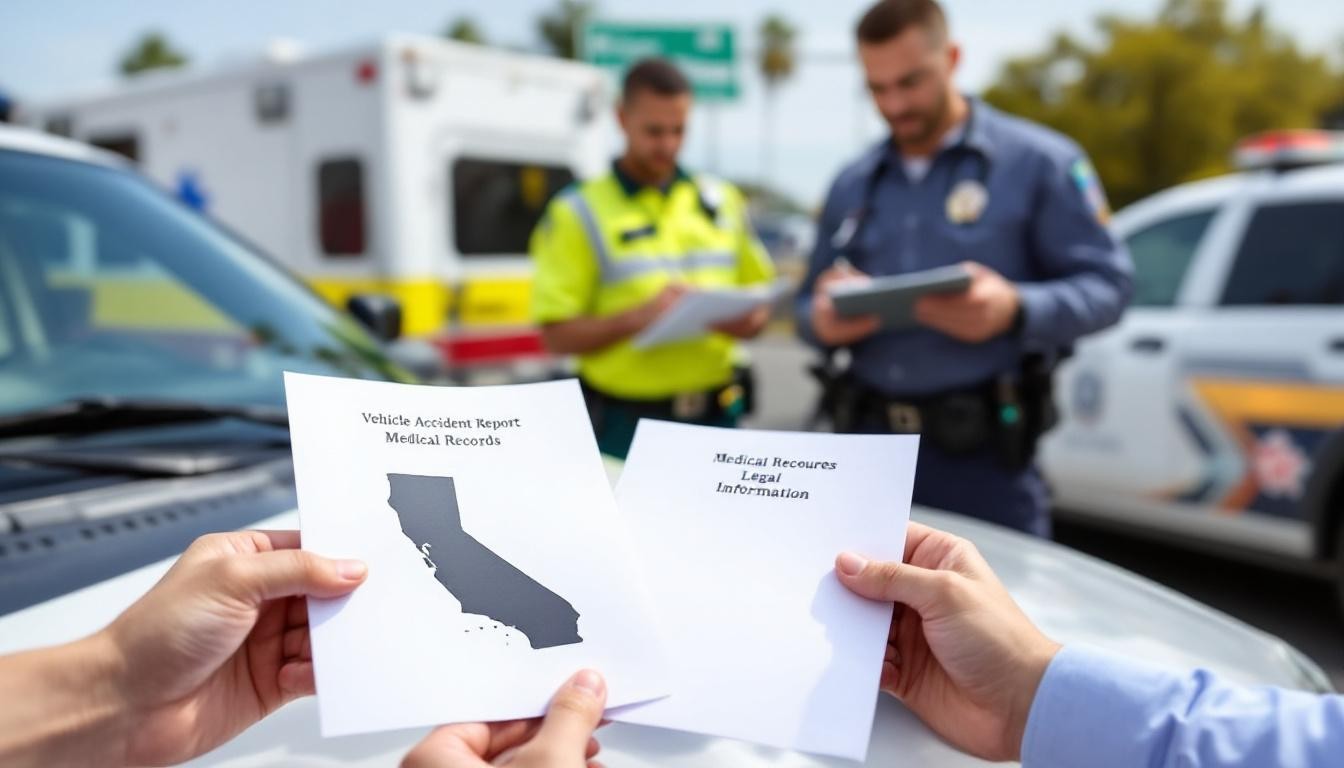
A vehicle accident can turn your life upside down in seconds. Between managing injuries, dealing with insurance companies, and understanding your legal options, the path forward feels overwhelming.
We at Schaar & Silva LLP created this guide to connect you with the vehicle accident resources California offers. You’ll find practical steps to protect yourself immediately after an accident, information about your legal rights, and access to medical and financial support services.
What to Do Right After Your Accident
Act Immediately at the Scene
The first minutes after a vehicle accident determine whether you protect yourself legally and medically. Stop immediately and move only if safe to do so. Call 911 if anyone is injured. Notify police and obtain the accident report number, which you’ll need for your insurance claim and any legal action.
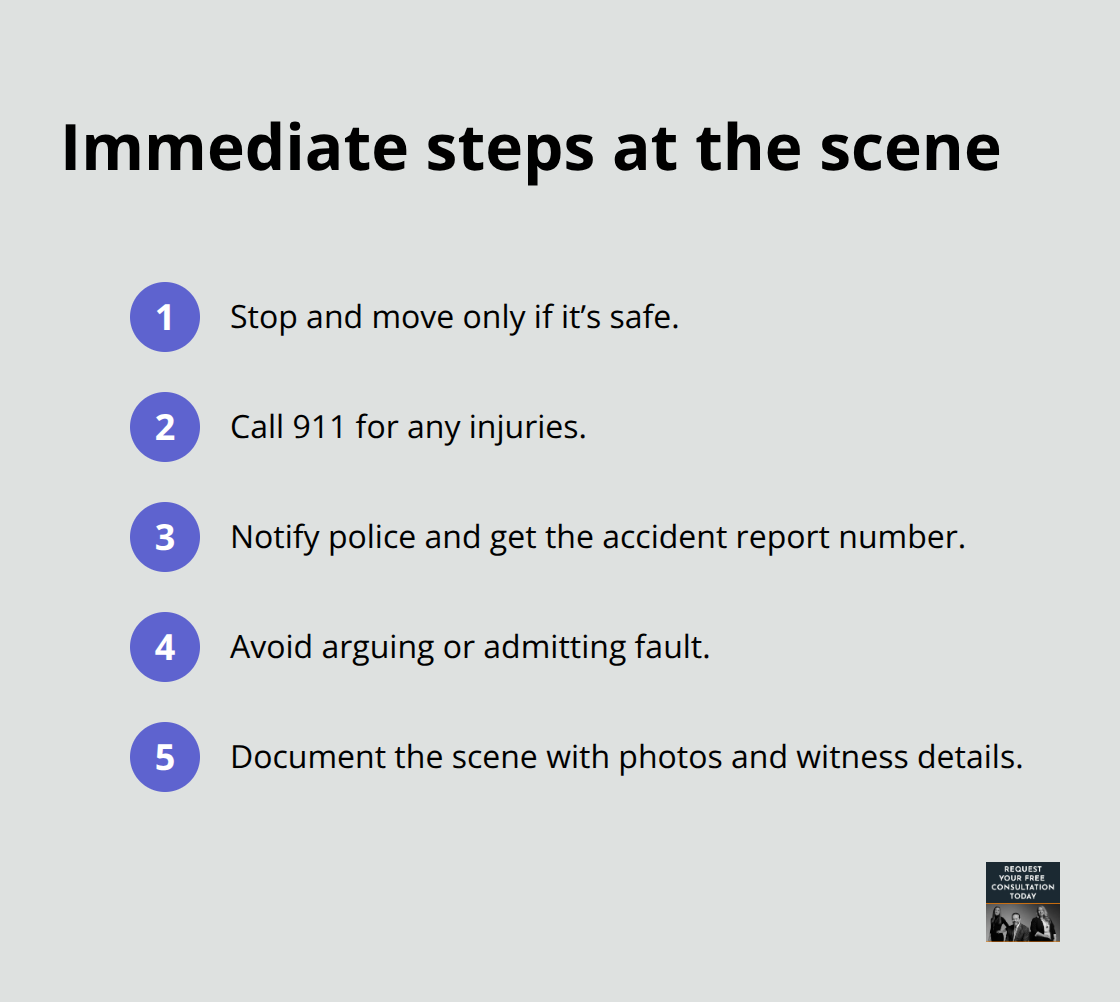
The California Department of Insurance outlines these specific actions as essential.
Collect Critical Information and Evidence
At the scene, collect names, addresses, driver’s license numbers, plate numbers, and contact information from all parties involved. Take photos of vehicle damage, road conditions, traffic signals, and the overall scene from multiple angles. Get names and contact details from witnesses. This documentation becomes critical evidence if disputes arise about fault or damages.
Do not argue with other drivers, sign fault statements, or promise to pay anything at the scene. These actions can undermine your legal position later.
Report to Your Insurance Company and the DMV
Notify your insurance company immediately, ideally within hours of the accident. According to the California Department of Insurance, insurers must acknowledge your claim within 15 days and respond to it within 15 days as well. If anyone is injured or vehicle damage exceeds $750, you must report the accident to the DMV within 10 days.
Keep copies of all paperwork, including the police report, medical records, and repair estimates. Certified mail with return receipts helps prove timely communication with your insurer.
Seek Medical Attention and Document Treatment
If you sustained injuries, seek medical attention right away even if symptoms seem minor. Some injuries like traumatic brain injuries develop gradually, and early medical evaluation creates a treatment record that supports any future claim. Document your medical treatment thoroughly, as this record becomes essential for establishing damages.
These steps protect your rights and establish the foundation for fair compensation. Understanding your legal options and the resources available to you comes next.
What Compensation Can You Recover After an Accident
Economic Damages: Medical Bills, Lost Wages, and Vehicle Repairs
California law holds the at-fault driver financially responsible for the harm they cause. You can recover economic damages like medical expenses, lost wages, and vehicle repair costs. The California Department of Insurance confirms that settlements typically use Actual Cash Value to determine vehicle payouts, calculated as fair market value unless your policy specifies otherwise. Medical bills for treatment, final expenses if someone died, and lost future earnings all count as recoverable costs. You must document these expenses carefully and prove the defendant caused your injury or loss.
The Gap Insurance Problem
One critical detail many accident victims miss: if your vehicle loan exceeds the settlement amount, you may owe the difference. Gap insurance protects against this shortfall, so review your policy now to understand your coverage limits. This protection becomes especially important if your vehicle depreciates faster than your loan balance decreases.
Non-Economic Damages: Pain, Suffering, and Loss of Companionship
Beyond medical bills and lost income, California law allows recovery for pain and suffering. Non-economic damages compensate you for physical pain, emotional distress, and reduced quality of life following an accident. In wrongful death cases, surviving family members can recover damages for loss of companionship and the emotional impact of losing a loved one.
Understanding Fault and Comparative Negligence
Understanding fault in California matters because it directly affects your recovery. California follows comparative negligence rules, meaning even if you share partial fault, you can still recover damages reduced by your percentage of responsibility. Insurance companies often dispute fault to minimize payouts, which is why documentation from the accident scene becomes so valuable.
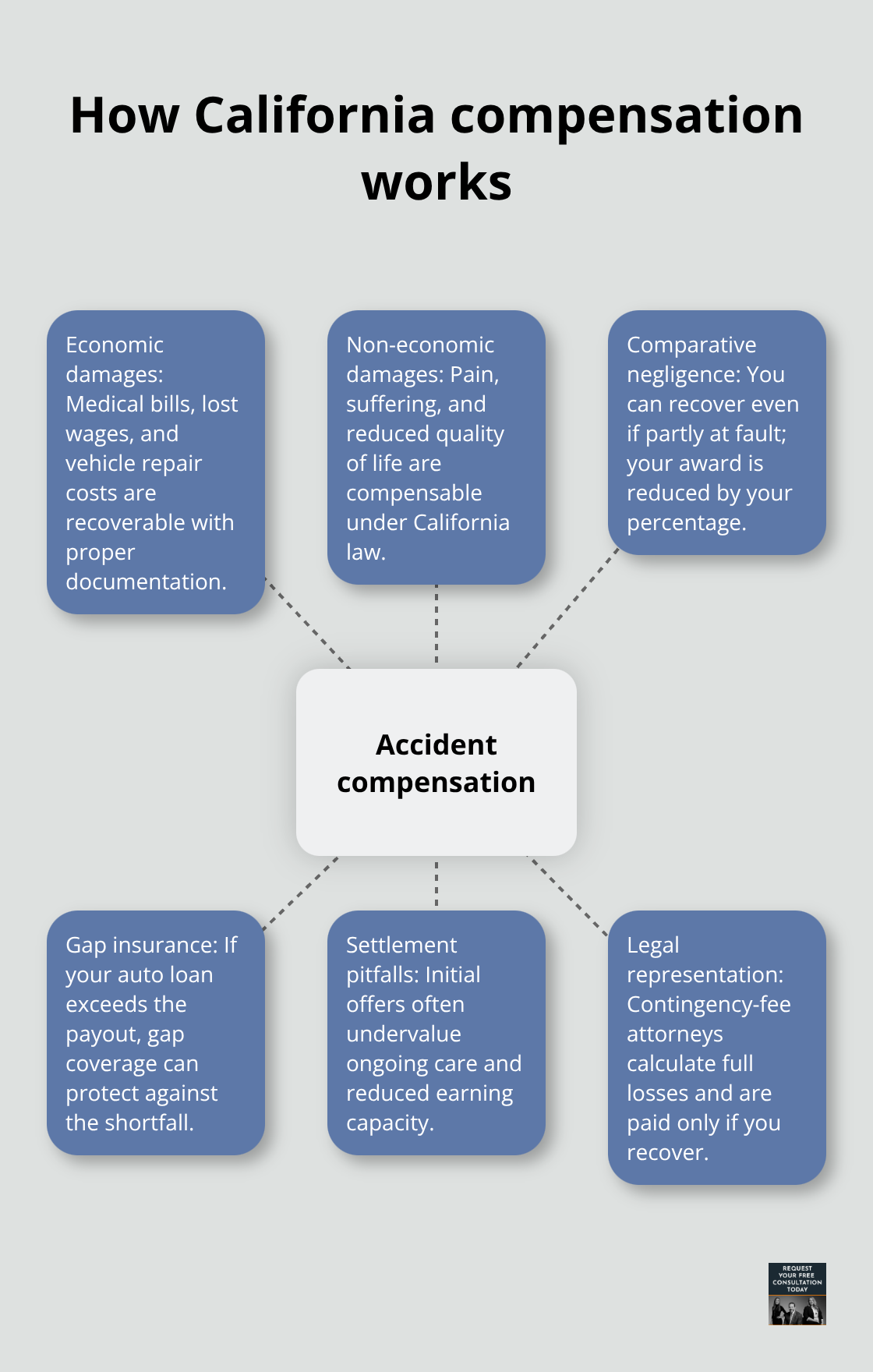
When you work with legal representation, an attorney evaluates the police report, witness statements, and physical evidence to build a liability case.
Why Settlement Offers Often Fall Short
Many victims accept initial settlement offers without understanding their full damages, leaving compensation on the table. An attorney calculates your actual losses, including ongoing medical care and reduced earning capacity, ensuring settlements reflect true harm. Contingency-fee arrangements mean you pay nothing upfront; payment comes only if your case resolves in your favor, removing financial barriers to quality legal support. This financial structure allows you to pursue fair compensation without worrying about legal costs during your recovery.
Getting Medical Care and Managing Bills After Your Accident
Seek Immediate and Specialized Medical Treatment
After an accident, your medical needs come first, but the financial reality of healthcare hits hard immediately. If you sustained injuries, seek emergency care at the nearest hospital or urgent care facility, especially for traumatic brain injuries that may not show symptoms right away. The UCSF Brain and Spinal Injury Center in San Francisco operates a specialized Concussion Clinic and Restorative Care Program for patients recovering from accident-related brain injuries, offering both in-person and virtual resources through their Traumatic Brain Injury Support Group for patients and families. Once you stabilize, follow up with your primary care doctor and any specialists recommended by your emergency team.
Document Your Medical Records Thoroughly
Your medical record directly supports your damage claim and establishes the connection between the accident and your injuries. Document every appointment, test result, and prescription. Request an itemized bill from every provider and verify charges against your treatment records because billing errors are common and inflated charges reduce your net recovery. This documentation becomes essential when you negotiate with insurers or pursue legal action.
Understand Insurance Timelines and Settlement Pressures
California insurers must acknowledge your claim within 15 days and respond within 15 days, but settlements typically take 40 days after you submit proof of loss. During this waiting period, bills keep arriving and pressure mounts to accept inadequate offers. When your insurer offers a settlement, calculate whether it covers your actual medical expenses plus ongoing treatment costs, not just what you’ve already paid.
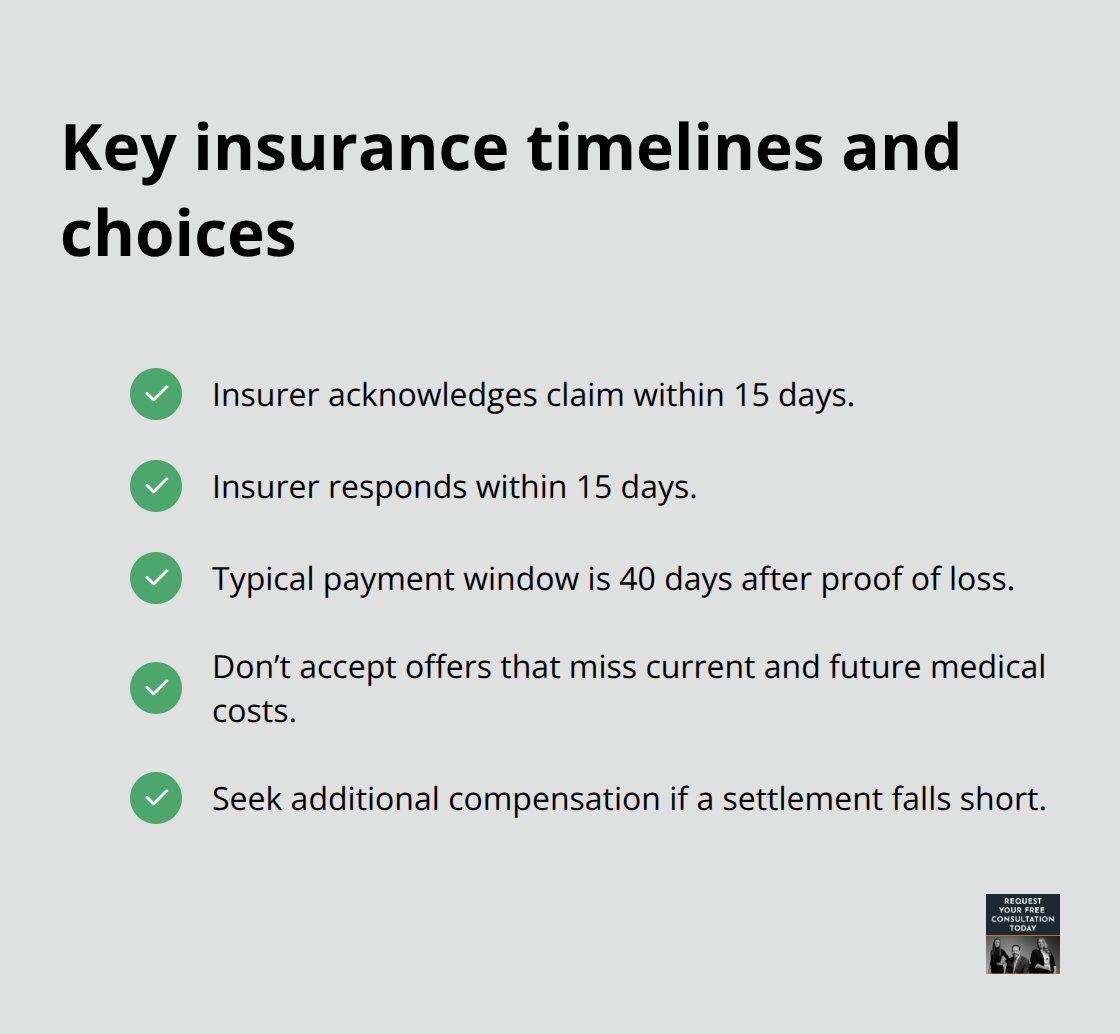
If the settlement falls short, reject it and pursue additional compensation through legal action.
Navigate Medical Bills and Payment Options
Medical bills accumulate faster than most people expect. If you work with an attorney, they can direct you to medical lien services that delay payment of medical bills until your case resolves, removing the pressure to accept inadequate settlements just to pay immediate healthcare costs. Rental car coverage typically pays a daily limit for a defined number of days while your vehicle is repaired or replaced, so review your policy to understand whether this coverage applies and how many days are covered.
Access Mental Health Support Without Financial Barriers
Accident victims frequently need mental health support but often skip therapy due to cost concerns. Check whether your health insurance covers therapy sessions and ask providers about sliding scale fees if costs remain prohibitive. Many communities in Santa Cruz County, Sacramento, and Oakland offer low-cost mental health resources through public health departments or nonprofit organizations that serve accident victims.
Final Thoughts
A vehicle accident disrupts your life across multiple fronts at once. You face medical recovery, insurance negotiations, financial strain, and legal uncertainty simultaneously. The vehicle accident resources California provides through government agencies, medical centers, and legal support can guide you through each stage, but taking action matters most.
Your medical records establish the connection between the accident and your injuries, directly supporting your damage claim. Your documentation of expenses creates the foundation for fair compensation. Your understanding of California’s comparative negligence rules and settlement timelines prevents you from accepting inadequate offers under pressure (many victims leave thousands on the table by settling too quickly).
We at Schaar & Silva LLP help accident victims in Santa Cruz County, Sacramento, and Oakland navigate this complex recovery process. Contact us for a consultation about your specific situation, and we’ll work on contingency, meaning you pay nothing upfront and only if your case resolves in your favor.
