
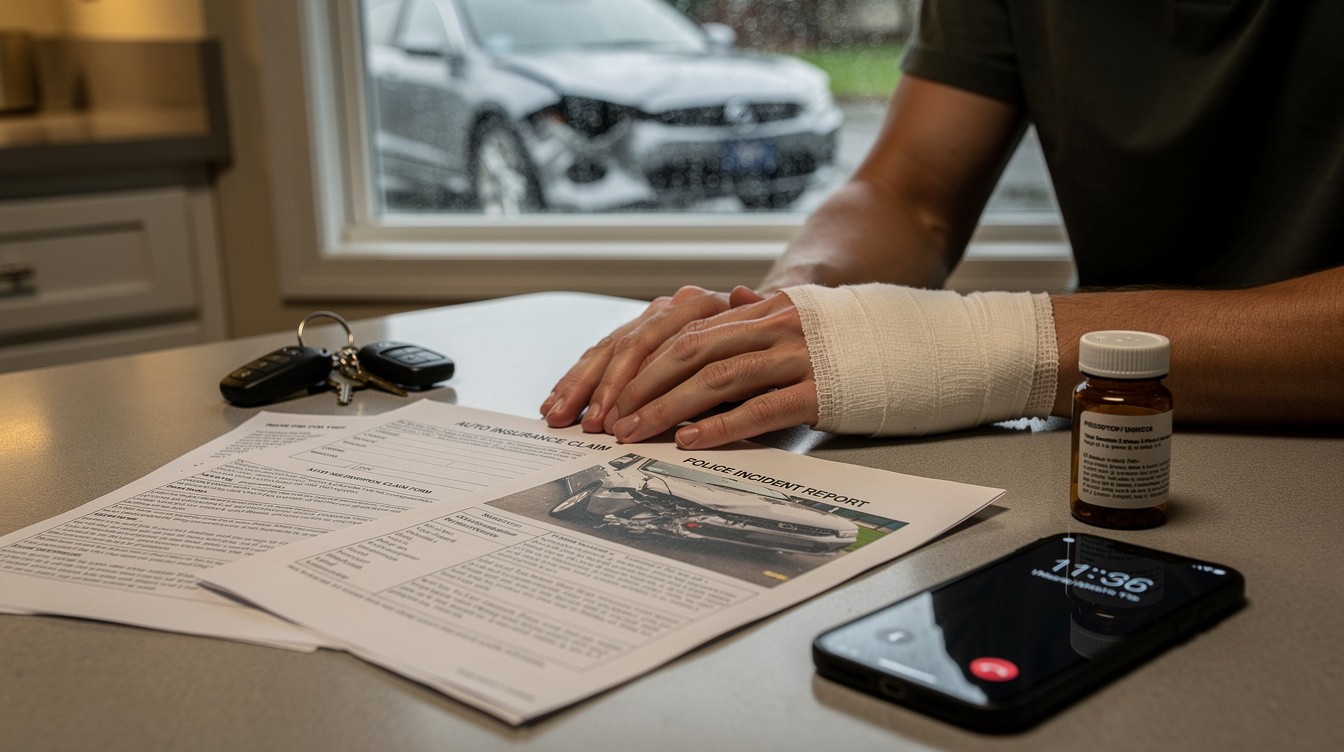
A DUI crash can turn your life upside down in seconds. The injuries, medical bills, and emotional weight can feel overwhelming as you try to figure out what comes next.
We at Schaar & Silva LLP understand how difficult DUI crash recovery in California can be. This guide walks you through the steps to rebuild your life, from handling legal claims to finding the support you need.
What Injuries Result from DUI Crashes and How They Affect You
The Physical Toll of DUI Crashes
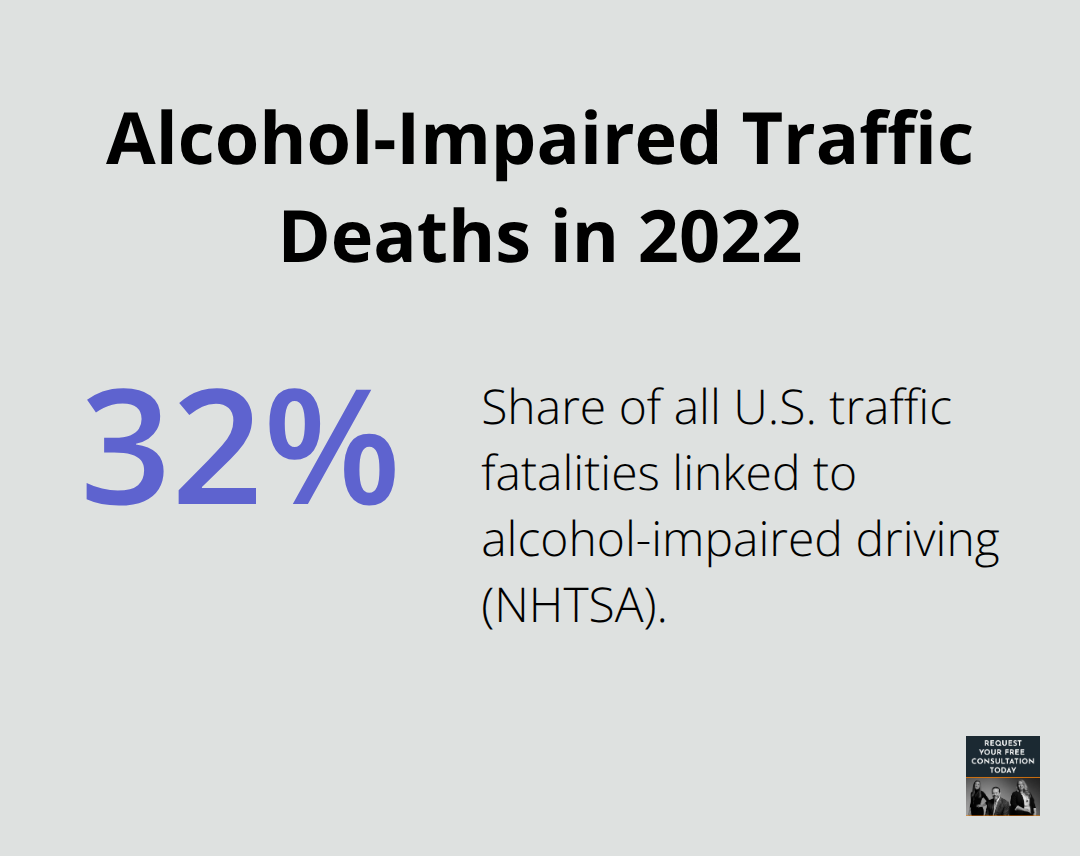
DUI crashes produce injuries far more severe than most people anticipate. The National Highway Traffic Safety Administration reports that alcohol-impaired driving fatalities accounted for 32 percent of all traffic deaths in the United States in 2022, meaning roughly one person dies every 39 minutes in an alcohol-related crash. When you survive a DUI crash, you face injuries that range from broken bones and lacerations to traumatic brain injuries and spinal cord damage.
Traumatic brain injuries alone affect approximately 1.5 million Americans annually, with car accidents being the leading cause of TBI among people aged 15 to 24. These injuries don’t heal quickly or predictably. A moderate brain injury requires months or years of cognitive rehabilitation, physical therapy, and neurological care. Your medical bills accumulate fast-emergency room visits, hospital stays, imaging studies, specialist appointments, and ongoing rehabilitation can easily exceed $100,000 for serious injuries.
The Brain Injury Association of America’s What to Expect After Brain Injury Guide outlines California-specific recovery steps, including assessment of cognitive function, physical capabilities, and long-term care needs that you must document and track meticulously.
The Psychological and Financial Impact
Beyond physical wounds, DUI crashes inflict psychological damage that people often minimize or ignore entirely. Post-traumatic stress disorder, anxiety, and depression develop after witnessing or experiencing a crash caused by someone else’s reckless choice. You may develop a fear of driving or riding in vehicles, which directly impacts your independence and employment prospects.
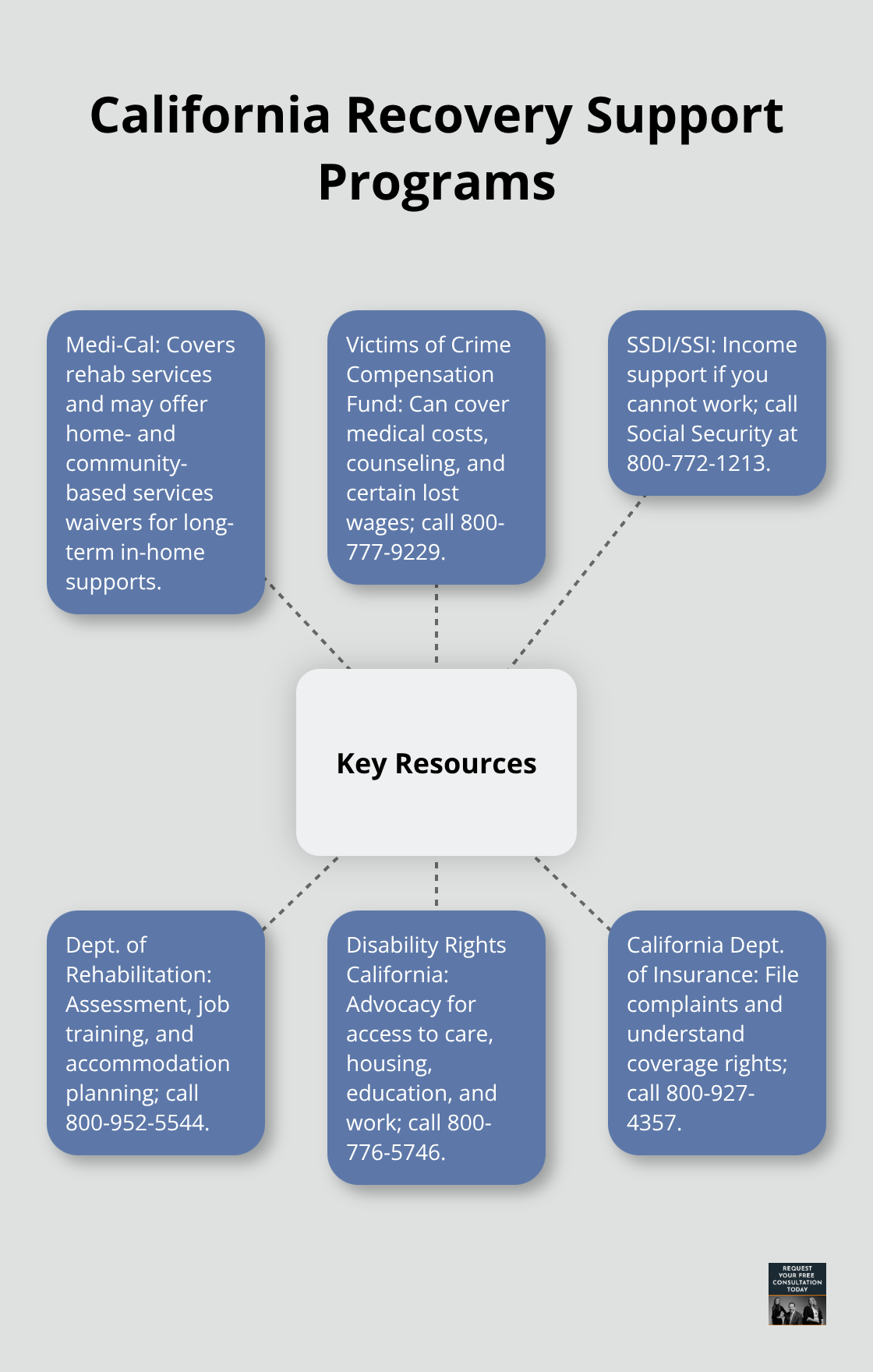
Financial strain compounds this trauma-lost wages during recovery, transportation costs, and childcare expenses pile up while you cannot work. If the crash qualifies as a violent crime in California, you can file with the California Victims of Crime Compensation Fund to cover medical costs, counseling, and certain lost wages. For health coverage during recovery, apply for Medi-Cal or call 800-541-5555. Ask Medi-Cal specifically about home- and community-based services waivers to receive long-term supports at home while you recover.
Getting Financial Support and Returning to Work
If recovery prevents you from working, Social Security Disability Insurance or Supplemental Security Income may provide income support-call 800-772-1213 to locate your nearest office. For return-to-work support in California, contact the California Department of Rehabilitation Vocational Rehabilitation at 800-952-5544 for assessment, job training, and accommodation planning.
Keep detailed records of all medical documents, treatment plans, and expenses to support claims for benefits and compensation. These records form the foundation of your recovery strategy and strengthen your position when pursuing financial assistance. The documentation you maintain now directly affects your ability to access resources and rebuild your life after the crash.
How to Navigate the Legal Process After a DUI Crash
Act Quickly to Document Your Case
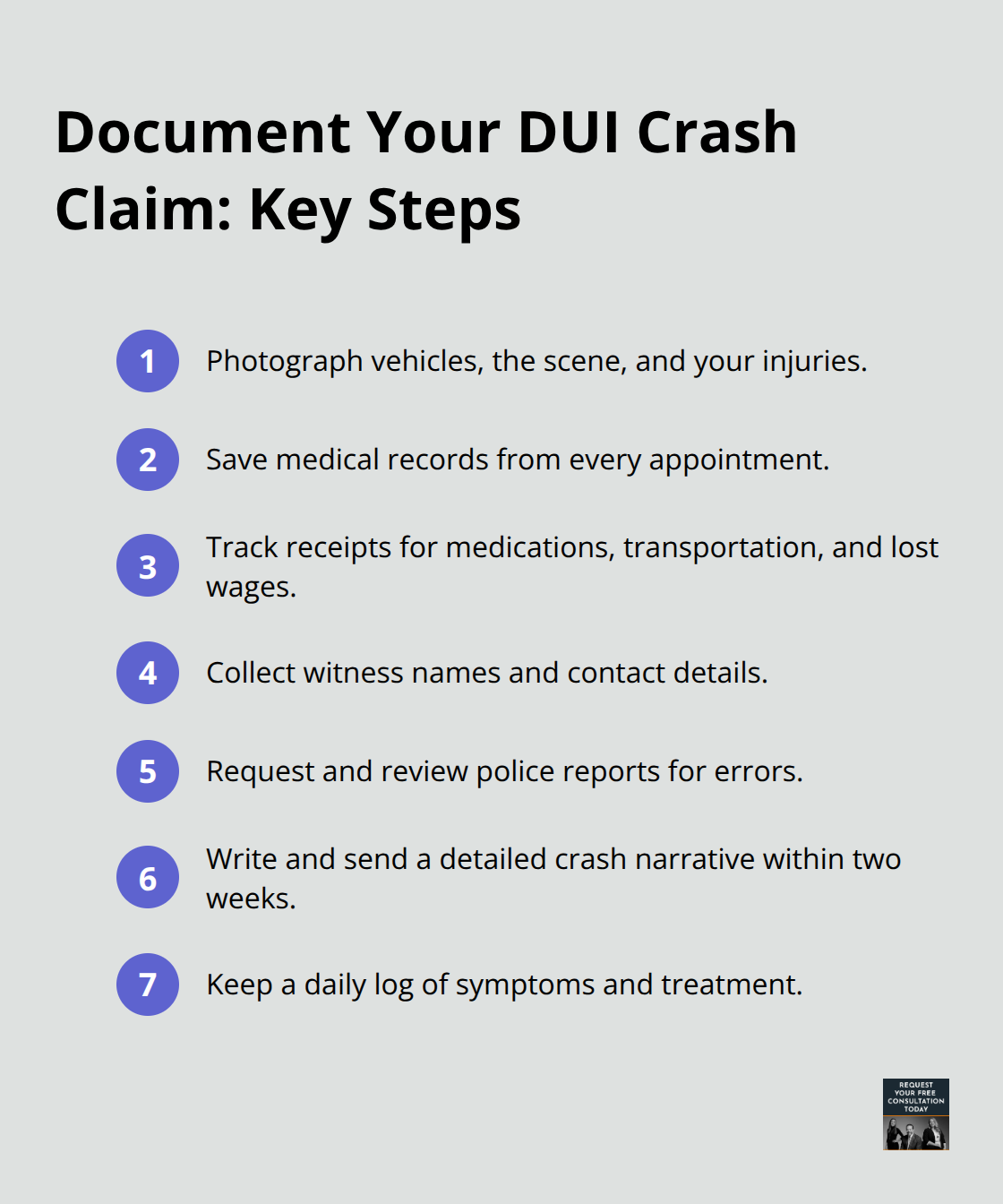
Filing a personal injury claim after a DUI crash requires speed and precision. You have a limited window to act-California’s statute of limitations gives you two years from the date of injury to file a lawsuit, but waiting that long weakens your case. Insurance companies count on injured people to delay, forget details, or settle for less than they deserve. Start documenting everything immediately: photographs of vehicle damage, road conditions, traffic signals, and your injuries; medical records from every appointment; receipts for medications, transportation, and lost wages; witness names and contact information; and police reports.
Write a detailed narrative of the crash within the first two weeks and send it to your attorney while your memory remains sharp. This documentation becomes your foundation when negotiating with insurance adjusters or presenting your claim to a court. Insurance companies employ teams trained to minimize payouts-they will question your injuries, challenge your medical expenses, and dispute your lost wages unless you present ironclad evidence. The California Department of Insurance reports that insurers must respond to claims within 15 days and accept or deny them within 40 days after proof of loss.
Review Police Reports and Challenge Inaccuracies
Police reports contain errors and bias that favor the at-fault driver’s narrative. Request a copy of the complete accident report and review it for inaccuracies regarding road conditions, vehicle positioning, traffic signals, and witness statements. These errors can undermine your claim if you fail to catch and correct them early.
Insurance adjusters will contact you quickly, often within days of the crash. Do not accept their first settlement offer or sign anything without legal review. They use recorded statements to lock you into positions that limit future claims. If the crash qualifies as a violent crime under California law, file with the California Victims of Crime Compensation Fund at Victims.ca.gov or call 800-777-9229 to cover medical costs, counseling, and lost wages.
Understand Your Rights as a Victim
California law protects your right to recover damages for medical expenses, lost income, pain and suffering, and permanent disability. You have the right to refuse a settlement, demand independent medical evaluations, and pursue litigation if the insurance company acts in bad faith. Contact the California Department of Insurance at 800-927-4357 if your insurer denies legitimate claims or acts unreasonably.
You are not responsible for managing the at-fault driver’s insurance company or their legal strategy. A personal injury attorney handles these negotiations on your behalf, protecting your interests while you focus on healing. If you live in Santa Cruz County, Schaar & Silva LLP can evaluate your property damage claims fairly and direct you to medical lien services for bill assistance.
Access Victim Compensation and Support Services
Beyond insurance claims, California offers additional resources for crash victims. The Victims of Crime Compensation Fund covers medical costs, counseling, and certain lost wages if the crash qualifies as a violent crime. For health coverage during recovery, apply for Medi-Cal or call 800-541-5555. Ask Medi-Cal specifically about home- and community-based services waivers to receive long-term supports at home while you recover.
If recovery prevents you from working, Social Security Disability Insurance or Supplemental Security Income may provide income support-call 800-772-1213 to locate your nearest office. For return-to-work support in California, contact the California Department of Rehabilitation Vocational Rehabilitation at 800-952-5544 for assessment, job training, and accommodation planning. These programs exist to help you rebuild your financial stability while you heal.
The legal process intersects with your medical recovery at every stage. Your attorney coordinates with medical providers, insurance companies, and government agencies to ensure you receive the compensation and support you need. As you navigate these systems, your focus shifts toward the actual recovery process-the medical treatment, rehabilitation, and mental health support that will help you regain your independence and move forward.
What Recovery Resources Can Help You Heal
Medical Treatment and Rehabilitation After a DUI Crash
Medical treatment after a DUI crash demands immediate action and sustained commitment. The Brain Injury Association of America’s What to Expect After Brain Injury Guide provides California-specific recovery steps that you must follow carefully, including cognitive assessments, physical rehabilitation plans, and documentation of long-term care needs. If you sustained a traumatic brain injury, expect treatment costs to reach $100,000 or more for comprehensive rehabilitation. Start by requesting your medical records from every provider and organizing them chronologically-this documentation strengthens claims for compensation and helps new providers understand your full injury picture.
Medi-Cal covers rehabilitation services for eligible patients; apply at the California Department of Health Care Services website or call 800-541-5555 to verify coverage. Ask Medi-Cal specifically about home- and community-based services waivers, which fund long-term supports at home while you recover. The California Department of Rehabilitation Vocational Rehabilitation program offers assessment, job training, and workplace accommodation planning at 800-952-5544-this service becomes critical if your injuries prevent you from returning to your previous job.
Accessing Long-Term Support and Work Programs
Independent Living Centers across California provide independent living skills, peer counseling, and resource referrals through the ILRU directory. If recovery prevents work entirely, apply for Social Security Disability Insurance or Supplemental Security Income by calling 800-772-1213 to locate your nearest Social Security office. These programs require detailed medical documentation, so maintain comprehensive records of diagnoses, treatment plans, medications, therapy sessions, and specialist recommendations.
Mental Health Support During Recovery
Mental health support deserves equal priority to physical rehabilitation. PTSD, anxiety, and depression develop frequently after DUI crashes, and untreated psychological injuries slow physical recovery. If the crash qualifies as a violent crime in California, file with the California Victims of Crime Compensation Fund at Victims.ca.gov or call 800-777-9229 to cover counseling and mental health services.
Disability Rights California offers advocacy to help you secure access to healthcare, education, housing, and employment support; contact 800-776-5746 or visit disabilityrightsca.org. The organization’s Client Assistance Program helps resolve disputes with vocational rehabilitation services if your applications face delays or denials. When insurance companies dispute your claims or act unreasonably, contact the California Department of Insurance at 800-927-4357 to file complaints and understand your coverage rights.
Managing Financial Pressure During Recovery
In Santa Cruz County, the legal team at Schaar & Silva LLP can direct you to medical lien services that facilitate bill payment while your case resolves, removing financial pressure during recovery. Build your recovery strategy around documented medical needs, not insurance company timelines-your health comes first, and the compensation follows when your case concludes.
Final Thoughts
DUI crash recovery in California requires action across multiple fronts at once. You must document your injuries and expenses, file claims within legal deadlines, pursue medical treatment, and access financial support programs while managing the emotional aftermath of the crash. This process feels overwhelming because it is overwhelming, but breaking it into concrete steps makes progress possible.
Start by gathering documentation immediately: medical records, photographs, witness information, and police reports form the foundation of your recovery strategy. Contact the California Victims of Crime Compensation Fund at 800-777-9229 if your crash qualifies as a violent crime, and apply for Medi-Cal at 800-541-5555 to cover treatment costs. Request information about home- and community-based services waivers to fund long-term support at home. If you cannot work, call Social Security at 800-772-1213 to explore disability benefits, and contact the California Department of Rehabilitation at 800-952-5544 for vocational rehabilitation services.
In Santa Cruz County, Sacramento, and Oakland, local resources exist specifically to help crash victims navigate recovery. Disability Rights California provides advocacy and dispute resolution at 800-776-5746, while the California Department of Insurance at 800-927-4357 protects your rights when insurers act unreasonably. The team at Schaar & Silva LLP can direct you to medical lien services that handle bill payment while your case resolves, removing financial pressure during DUI crash recovery in California and connecting you with the support you need to rebuild your stability.
