

Rib injuries from car accidents cause severe pain and can lead to serious complications if left untreated. The force of impact during a collision often fractures or bruises ribs, making breathing difficult and daily activities painful.
We at Schaar & Silva LLP understand that dealing with a rib injury car accident requires both proper medical care and legal guidance. Taking the right steps immediately after your injury protects your health and your right to compensation.
What Symptoms Indicate a Rib Injury After Your Accident
Sharp Pain That Worsens With Movement
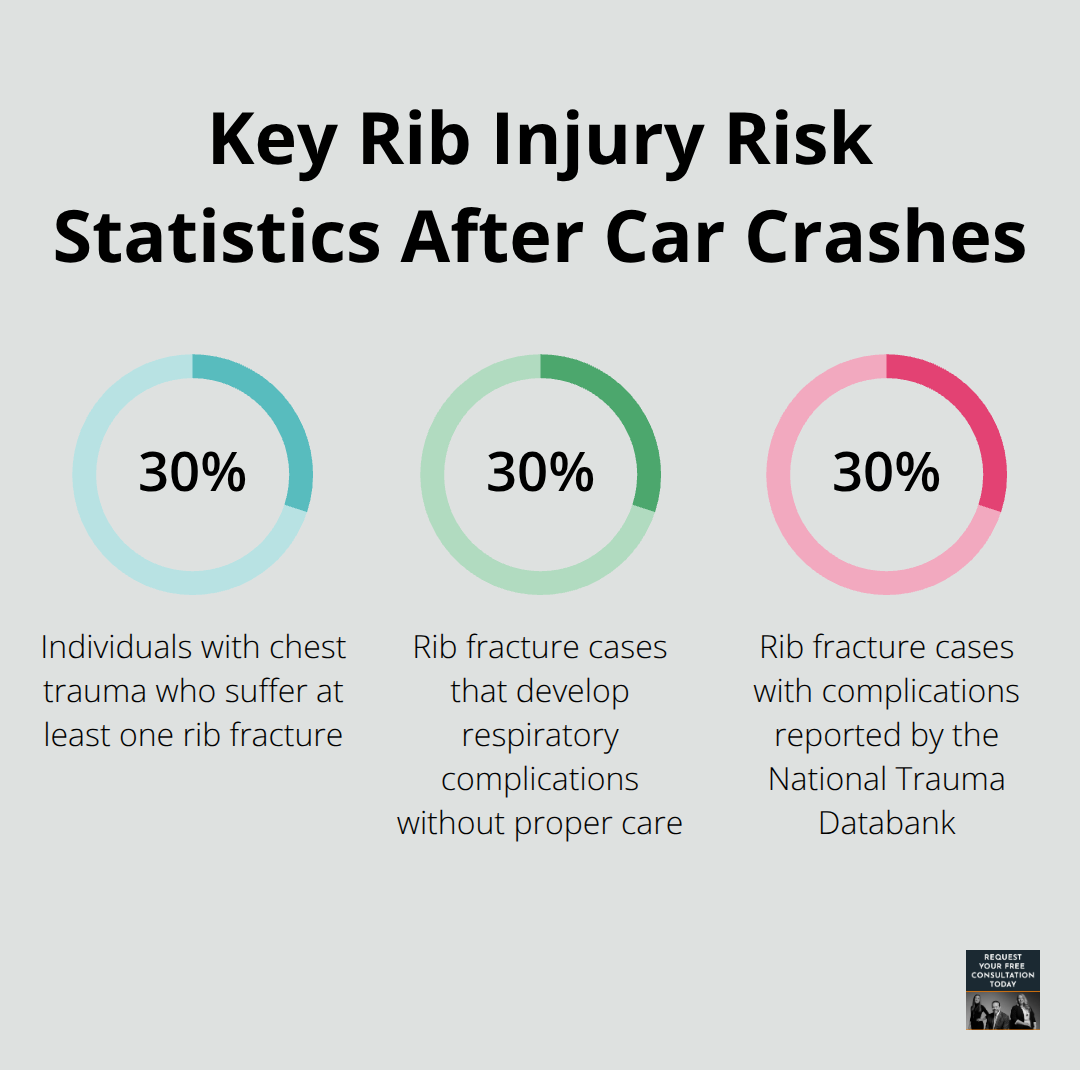
Rib injuries produce distinctive pain patterns that become immediately apparent after a car accident. Sharp, stabbing chest pain in your chest or back intensifies when you breathe, cough, or move your torso and signals potential rib damage. This pain differs from general soreness because it targets specific rib areas and creates a piercing sensation rather than dull aches. Approximately 30% of individuals who experience chest trauma suffer at least one rib fracture according to medical research. The pain often travels around your ribcage and may feel like someone squeezes your chest.
Visible Signs and Physical Changes
Difficulty taking deep breaths, shortness of breath, or the sensation that you cannot get enough air indicates serious rib injury that requires immediate medical attention. Visible bruising, swelling, or deformity around your ribcage confirms trauma to the area. Your chest may appear uneven or you might notice a depression where ribs have shifted position. Tenderness when you press on specific rib areas, combined with difficulty sleeping on the affected side, points to fractures rather than minor bruises.
Emergency Situations That Demand Immediate Care
Severe breathing difficulties, chest pain that prevents normal breathing, or signs of internal bleeding demand immediate emergency room evaluation. If you experience dizziness, rapid heart rate, or feel faint alongside rib pain, these symptoms suggest potential complications like pneumothorax (collapsed lung) or internal organ damage. The National Trauma Databank shows that older patients with rib fractures face 2.5 times higher mortality risk, which makes prompt medical assessment vital regardless of your age. Never dismiss persistent chest pain after a car accident as minor soreness.
Once medical professionals evaluate your condition and confirm the extent of your rib injury, understanding the treatment options and recovery process becomes your next priority.
What Medical Treatment Should You Expect for Rib Injuries
Emergency Room Assessment and Imaging Tests
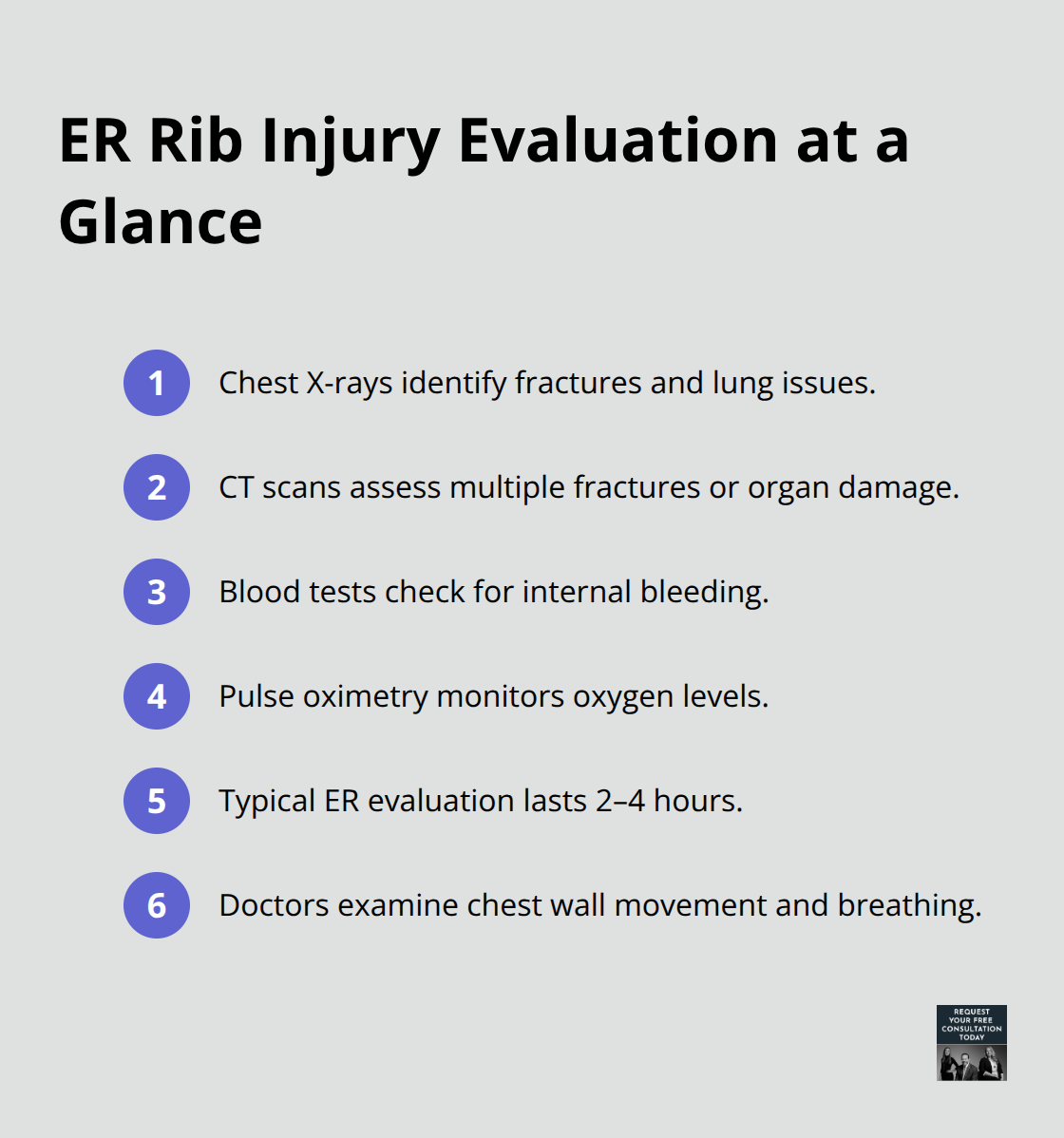
Emergency rooms follow standardized protocols for rib injury evaluation that begin with chest X-rays to identify fractures and check for lung complications. CT scans provide detailed images when doctors suspect multiple fractures or internal organ damage. Medical staff will order blood tests to check for internal bleeding and monitor your oxygen levels through pulse oximetry. The average emergency room evaluation takes 2-4 hours for rib injuries, depending on the severity and potential complications. Doctors will also perform a physical examination to assess chest wall movement and breathing patterns, which helps determine the extent of your injury and guides treatment decisions.
Pain Control and Medication Management
Effective pain management remains essential for rib injury recovery because inadequate pain control leads to shallow breathing and pneumonia risk. Doctors typically prescribe NSAIDs like ibuprofen in combination with stronger pain medications for the first week after injury. Most patients receive a 7-10 day supply of prescription pain medication, with instructions to transition to over-the-counter options as healing progresses. Ice therapy applied for 20 minutes every 2-3 hours during the first 48 hours reduces inflammation and provides additional pain relief. Medical professionals strongly advise against binding or wrapping your ribs, as this practice restricts breathing and increases pneumonia risk.
Recovery Timeline and Physical Rehabilitation
Rib fractures require at least one month for initial healing, with complete recovery taking 6-8 weeks for uncomplicated cases. Physical therapy typically begins 2-3 weeks after injury once acute pain subsides and focuses on breathing exercises to maintain lung capacity. Patients must perform deep breathing exercises every hour while awake to prevent respiratory complications (which develop in approximately 30% of rib fracture cases without proper care). Gradual return to normal activities starts around week 4, but heavy lifting and strenuous exercise remain off-limits for 6-8 weeks. Your doctor will schedule follow-up appointments at 2 weeks and 6 weeks to monitor healing progress and adjust your treatment plan based on recovery speed.
While medical treatment addresses your physical recovery, protecting your legal rights and securing fair compensation for your rib injury requires different steps that many accident victims overlook. Chest and rib damage from car accidents often requires extensive medical treatment and can lead to significant financial burdens.
How Do You Protect Your Legal Rights After a Rib Injury
Start Documentation While Still in the Emergency Room
Your legal case begins the moment you receive medical treatment for your rib injury. Request copies of all emergency room records, X-rays, CT scans, and discharge instructions before you leave the hospital. Medical records from the first 24 hours after your accident carry the most weight with insurance companies because they establish the direct connection between the collision and your injury. Take photographs of visible bruises, swells, or chest deformity with your phone and enable timestamps.
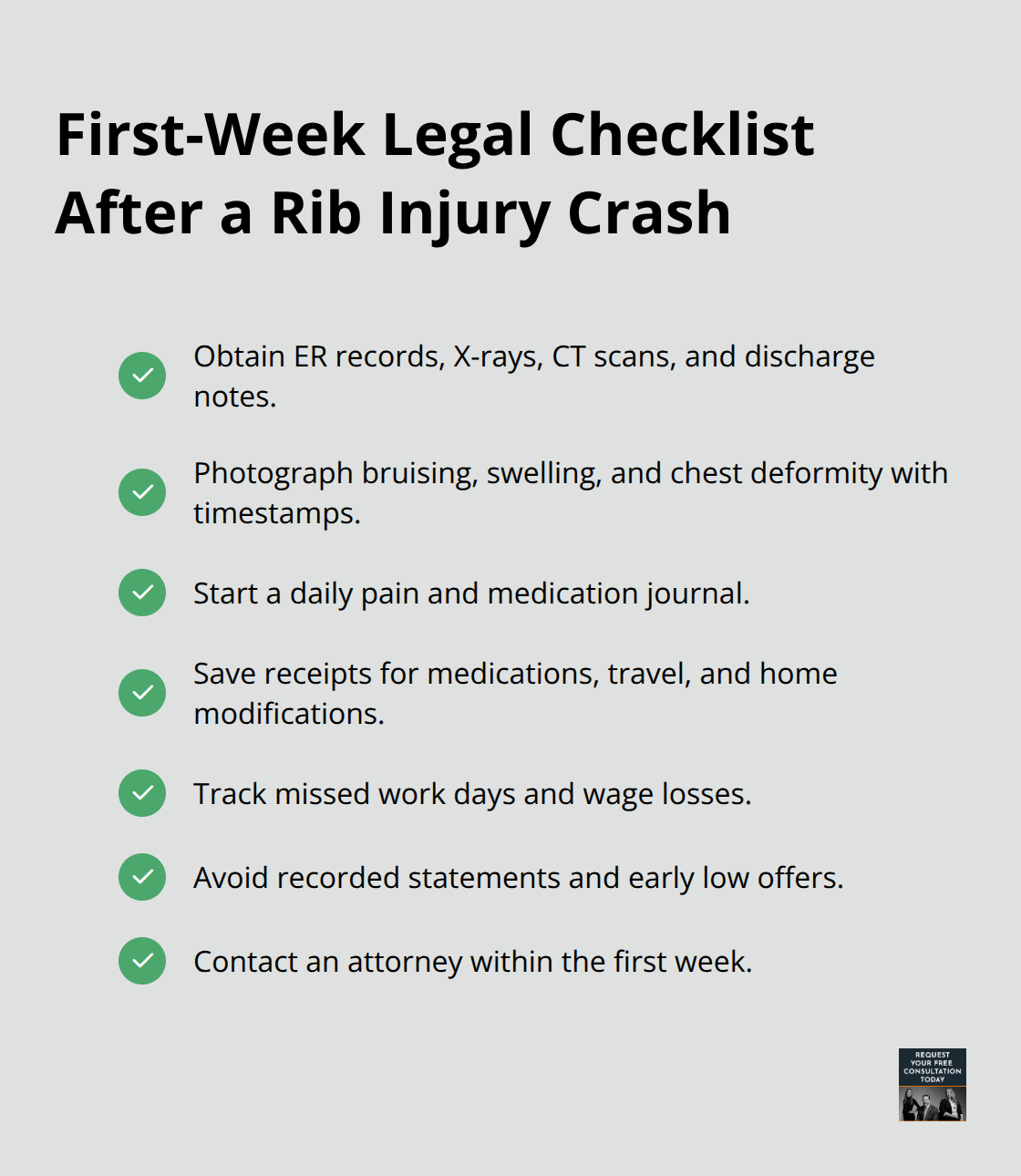
Insurance adjusters often question injury severity weeks later, which makes immediate documentation your strongest defense. Keep a daily pain journal that records your symptoms, medication usage, and how the injury affects your sleep, work, and daily activities.
Calculate Your Financial Losses Beyond Medical Bills
Rib injuries create financial damages that extend far beyond your hospital bills. Lost wages from missed work days typically range from $2,000 to $15,000 for most rib fracture cases (this depends on your income and recovery time). Factor in transportation costs for medical appointments, prescription medications, and any home modifications you need during recovery. Pain and suffering compensation for rib fractures averages $8,000 to $25,000 in California, but severe cases with complications can reach $50,000 or more. Document every expense related to your injury and keep receipts for future reimbursement claims.
Contact an Attorney Within the First Week After Your Accident
Insurance companies move quickly to minimize payouts and often contact accident victims within 48 hours with lowball settlement offers. California’s statute of limitations gives you two years to file a personal injury lawsuit, but delays damage your case significantly. The National Trauma Databank shows that rib fracture complications develop in 30% of cases, which means your injury’s full impact may not become apparent for weeks. An experienced attorney protects you from acceptance of inadequate settlements before you understand your injury’s complete scope and prevents insurance companies from use of recorded statements against you later (these statements often work against your interests).
Final Thoughts
A rib injury car accident demands immediate medical attention and consistent documentation of your symptoms and expenses. The steps you take in the first week after your accident determine both your physical recovery and your ability to secure fair compensation. Medical treatment must remain your top priority, but you must protect your legal rights alongside your recovery process.
Insurance companies contact accident victims quickly with settlement offers that rarely reflect the true cost of rib injuries. Complete recovery takes 6-8 weeks on average and often results in complications that require extended care. These companies move fast to minimize payouts before you understand the full scope of your injury.
We at Schaar & Silva LLP handle the legal complexities of your case while you focus on recovery. Our team works to secure fair compensation for your medical bills, lost wages, and pain while you concentrate on getting better. Contact our Santa Cruz legal team to discuss your rib injury case today.
