
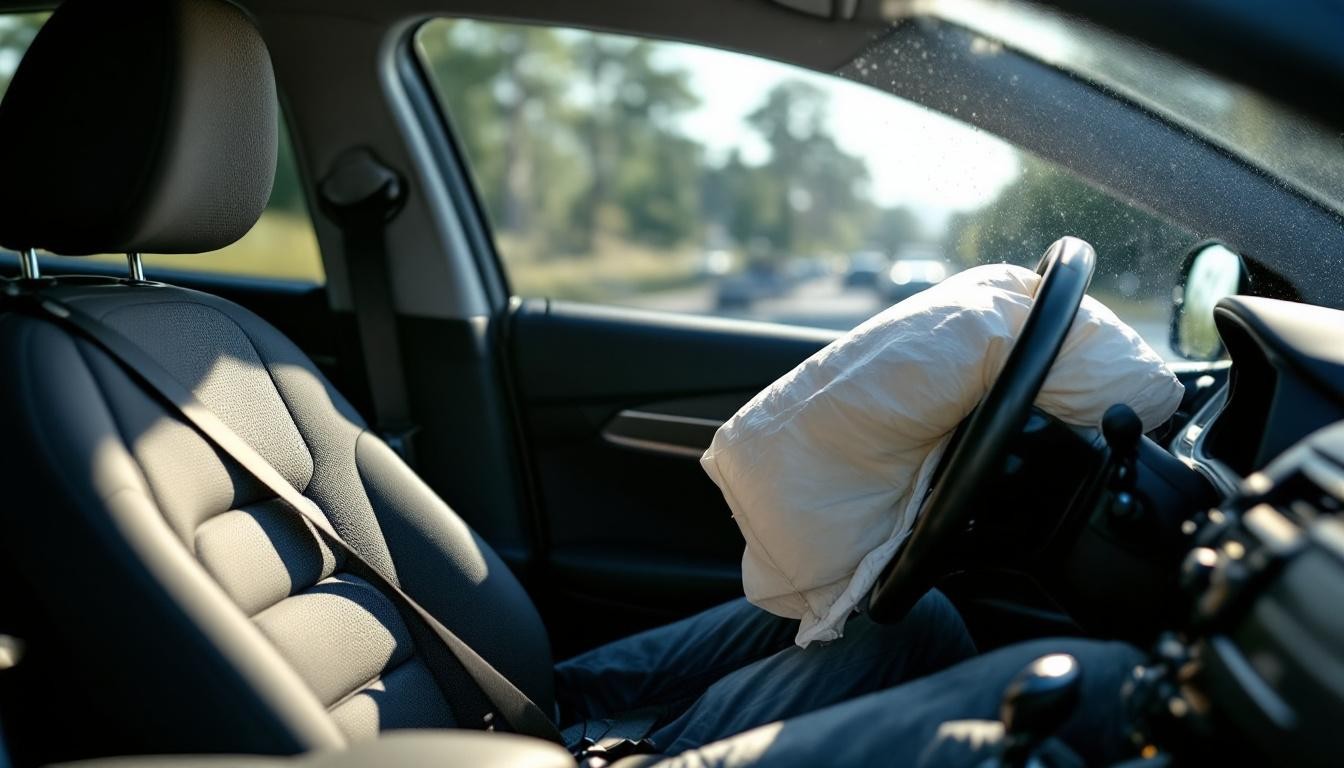
Car accidents can cause serious chest injuries that aren’t always obvious right away. Many people in Santa Cruz County don’t realize that car accident chest issues can develop hours or even days after a crash.
We at Schaar & Silva LLP see how delayed symptoms often catch accident victims off guard. Knowing what warning signs to watch for could save your life and protect your legal rights.
What Chest Symptoms Appear Right After Impact
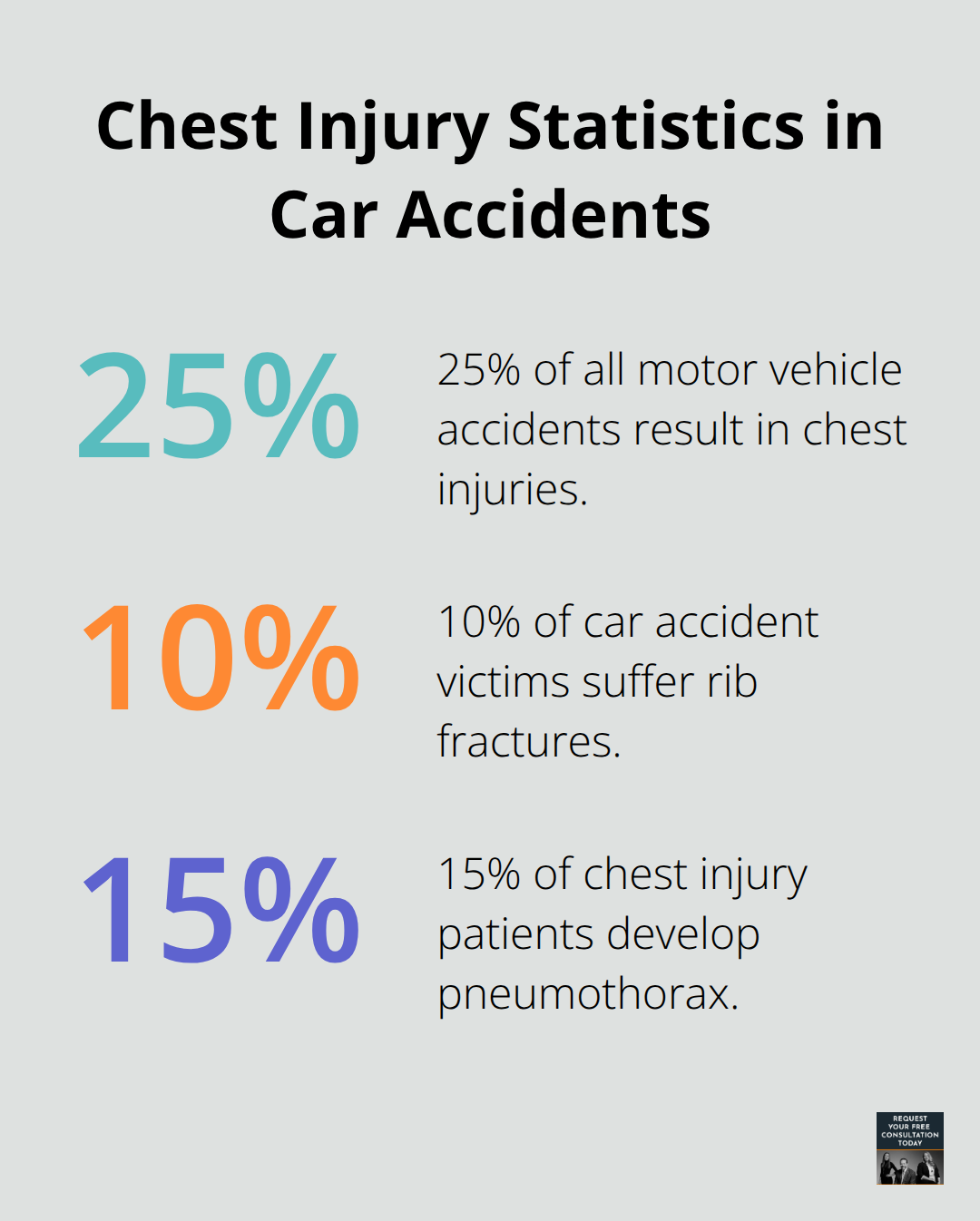
Your body collides with the seatbelt, steering wheel, or airbag during a crash, and chest trauma starts immediately. The National Highway Traffic Safety Administration reports that chest injuries occur in approximately 25% of all motor vehicle accidents. Even a 30 mph collision creates pressures that fracture ribs, bruise organs, and damage soft tissue instantly.
Intense Chest Pain That Takes Your Breath Away
Sharp, stabbing chest pain immediately after impact signals serious injury. This pain often worsens when you breathe deeply, cough, or move. The pain typically indicates rib fractures, which occur in roughly 10% of car accident victims (according to emergency room data). Unlike muscle soreness, this pain feels like a knife that pierces your chest and doesn’t improve with position changes.
Immediate Problems with Your Breath
Difficulty with breath or shortness of breath within minutes of a crash demands immediate attention. Your lungs might have collapsed, or blood could fill your chest cavity. Emergency medicine studies show that 15% of chest injury patients develop pneumothorax, where air leaks into the space around your lungs. You’ll notice you can’t take deep breaths, feel like you suffocate, or experience rapid, shallow breath patterns.
Visible Chest Damage You Can See
Bruises across your chest from the seatbelt appear within the first hour after impact. This diagonal bruise pattern often indicates internal organ damage beneath the surface. Swelling or bruising in the chest area mean significant trauma occurred. The chest wall may look deformed or asymmetrical compared to before the accident. These visible signs correlate with internal injuries that require immediate medical tests to diagnose properly.
Not all chest injuries show symptoms right away. Some develop gradually over the hours and days that follow your accident.
What Delayed Chest Problems Should You Monitor
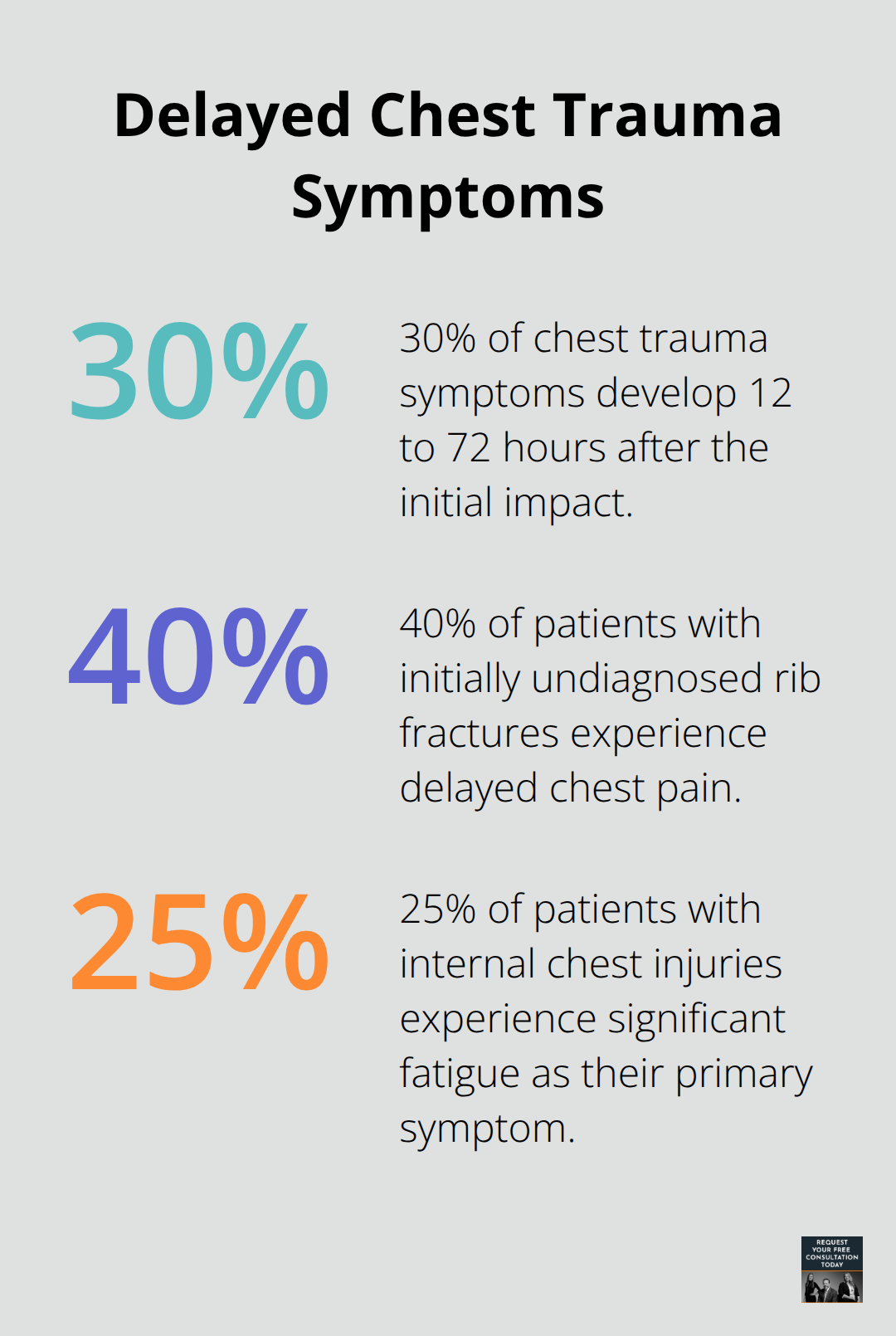
Chest injuries from car accidents don’t always announce themselves immediately. The American College of Emergency Physicians found that 30% of chest trauma symptoms develop 12 to 72 hours after the initial impact. Your adrenaline masks pain during the first few hours, but as stress hormones fade, serious injuries become apparent. Many Santa Cruz County accident victims dismiss these delayed symptoms as normal soreness, which puts their health at serious risk.
Chest Discomfort That Builds Slowly
Gradual chest discomfort that starts mild and intensifies over 24 to 48 hours signals internal damage. This progressive pain differs from immediate trauma because it develops as inflammation spreads through damaged tissue. Hospital emergency data shows that delayed chest pain affects 40% of patients with initially undiagnosed rib fractures. The discomfort often feels like pressure or tightness rather than sharp pain. You might notice the pain worsens when you lie down, laugh, or take deep breaths. This progression indicates your body’s inflammatory response to injury.
Pain That Gets Worse Instead of Better
Chest pain that intensifies over days or weeks after your accident points to complications like delayed pneumothorax or internal bleeding. Normal accident soreness improves within 48 hours with rest and ice. Pain that increases beyond the third day suggests serious problems that medical imaging missed initially. Trauma surgeons report that 15% of chest injury patients develop complications between days 3 and 14 post-accident (the most critical window for delayed symptoms). The pain might shift locations, become constant instead of intermittent, or prevent you from sleeping.
Energy Loss and Unusual Tiredness
Unexplained fatigue following chest trauma often indicates internal bleeding or reduced lung capacity. Your body diverts energy to heal damaged organs, which leaves you exhausted despite adequate rest. Emergency medicine research shows that 25% of patients with internal chest injuries experience significant fatigue as their primary symptom. This tiredness feels different from normal exhaustion because it persists even after full nights of sleep. You might find simple tasks like climbing stairs leave you breathless and drained.
These delayed symptoms require immediate medical attention, but some chest injury situations demand emergency care that cannot wait.
When Does Chest Pain Require Emergency Care
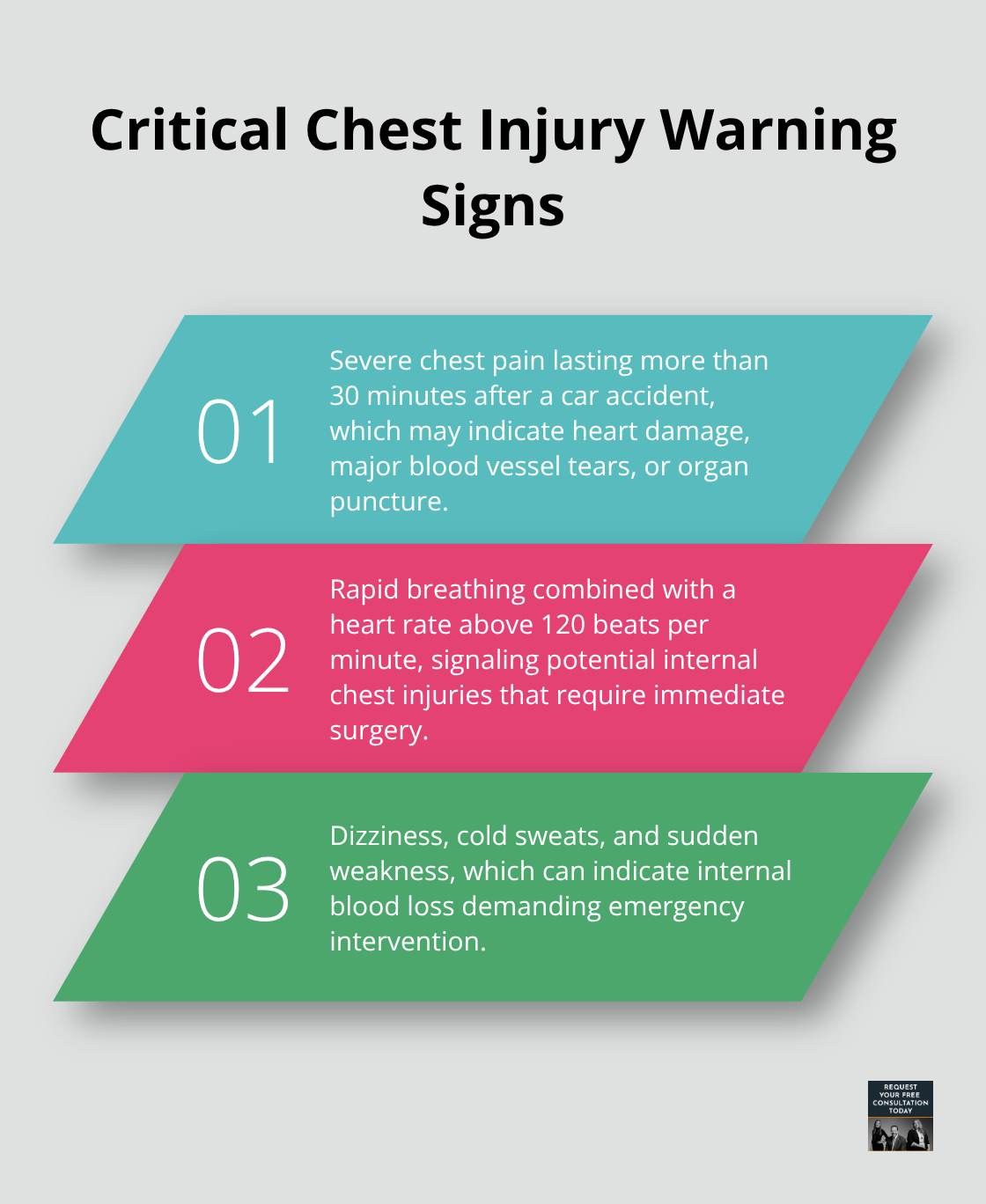
Severe chest pain that persists for more than 30 minutes after a car accident requires immediate emergency room treatment. The American College of Emergency Physicians states that chest pain beyond this timeframe indicates potential heart damage, major blood vessel tears, or organ puncture. This pain typically feels constant and radiates to your arms, neck, or jaw. Emergency room physicians report that 60% of delayed chest trauma deaths occur because victims waited too long to seek treatment. Pain medications provide no relief for these serious injuries, and the discomfort intensifies with any physical activity or deep breath attempts.
Breath Problems That Signal Life-Threat Injuries
Rapid breath combined with a heart rate above 120 beats per minute indicates your body struggles to maintain adequate oxygen levels. Emergency medicine data shows that 80% of patients with these combined symptoms have internal chest injuries that require immediate surgery. Your breath becomes shallow and fast because damaged lungs cannot process oxygen efficiently. Heart rate acceleration occurs as your cardiovascular system compensates for reduced oxygen delivery. Watch for blue-tinged lips or fingertips, which appear when oxygen levels drop below safe thresholds. These symptoms progress rapidly, and delays of even 20 minutes can result in permanent organ damage or death.
Critical Warning Signs of Internal Blood Loss
Dizziness, cold sweats, and sudden weakness after chest trauma indicate internal blood loss that demands emergency intervention. Trauma surgeons report that internal chest blood loss can cause patients to lose 40% of their blood volume within two hours of injury (a life-threat situation). Your blood pressure drops as internal blood loss progresses, which causes confusion, nausea, and an overwhelming urge to lie down. Skin becomes pale and clammy as your body redirects blood flow to vital organs. These shock symptoms develop quickly once blood loss reaches critical levels and leave a narrow window for life-save treatment.
Final Thoughts
Car accident chest issues demand immediate medical attention, even when symptoms appear minor at first. Emergency room physicians report that 45% of chest trauma complications develop because patients delay treatment. Medical evaluation within hours of your accident protects your health and creates documentation for potential legal claims.
Long-term monitoring becomes vital after chest trauma because complications can emerge weeks later. Schedule follow-up appointments with your physician at 1, 4, and 12 weeks post-accident (the most critical monitoring periods). This approach catches delayed problems like scar tissue formation or reduced lung capacity that affect your quality of life permanently.
Santa Cruz County accident victims have legal rights to compensation for medical bills, lost wages, and pain from chest injuries. We at Schaar & Silva LLP help accident victims navigate insurance claims while they focus on recovery. Quick action protects both your health and legal options after chest trauma occurs.
