
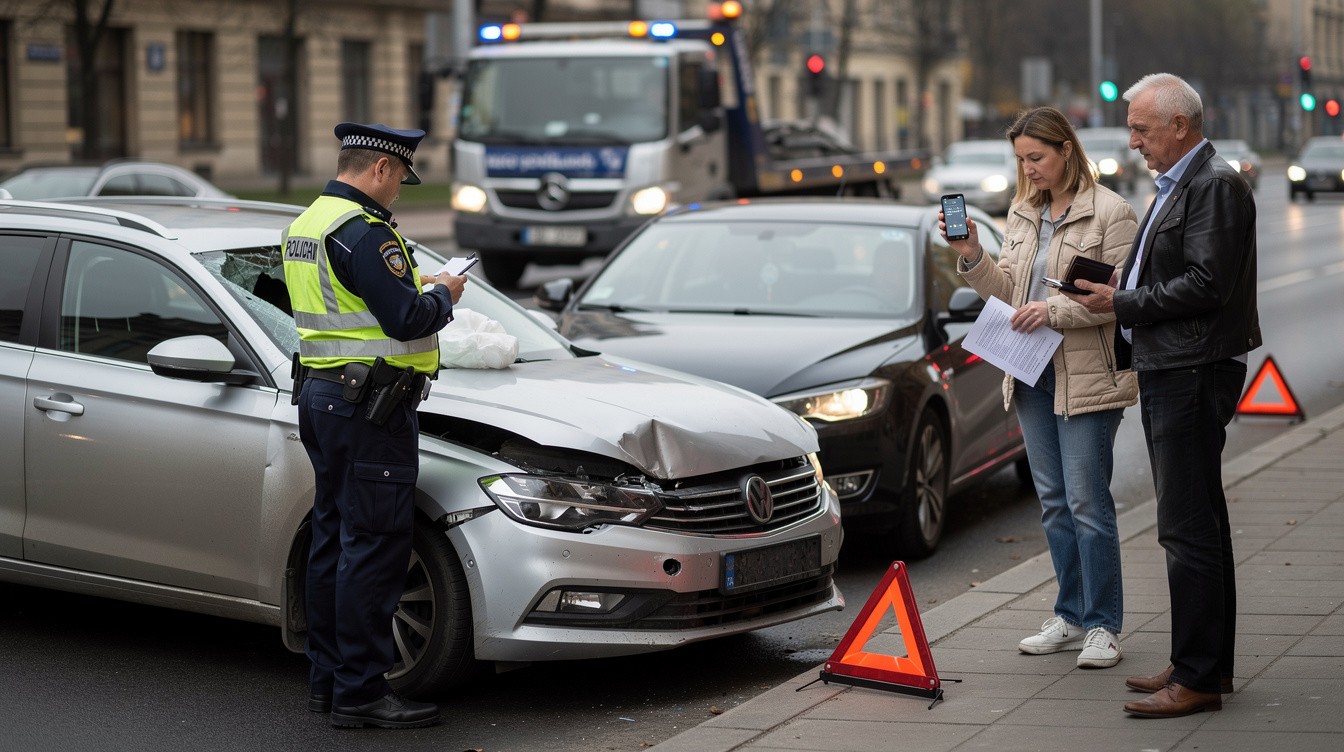
A crash with an uninsured motorist in California can leave you facing unexpected medical bills and vehicle damage with no clear path to recovery. At Schaar & Silva LLP, we know how frustrating this situation becomes when the other driver has no insurance to cover your losses.
The good news is you have options. Your own insurance policy likely includes uninsured motorist coverage, and you may have legal grounds to pursue the at-fault driver directly.
Who Is Actually Uninsured in California
The Scale of California’s Uninsured Driver Problem
California has a serious uninsured motorist problem that directly affects your wallet. According to the California Department of Insurance, approximately 15.2% of drivers on California roads lack the required minimum insurance coverage. That means roughly 1 in 7 drivers you encounter could leave you financially devastated if they cause a crash.
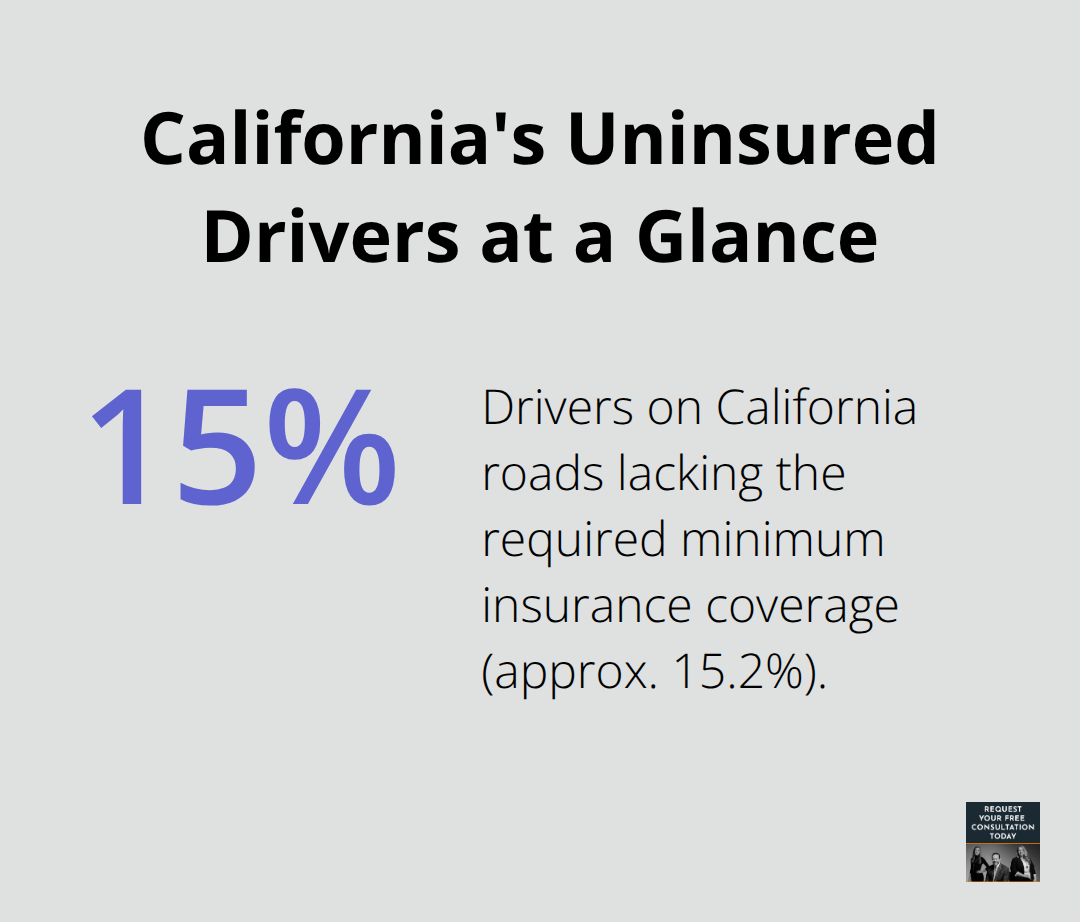
The actual number may be even higher in certain regions, with some areas reporting uninsured rates exceeding 20%. When an uninsured driver hits you, their lack of insurance doesn’t eliminate their legal responsibility for your injuries and property damage, but it does complicate how you recover compensation.
How California Law Defines Uninsured Status
Understanding who counts as uninsured matters because California law defines this status in specific ways. A driver is uninsured if they carry no liability insurance whatsoever, have a policy that lapsed before the accident, or have coverage that’s insufficient to cover your damages. Some drivers carry only the state minimum of $15,000 for bodily injury per person, which vanishes quickly with serious injuries. Others intentionally skip insurance because they believe they’re safe drivers or simply can’t afford the premiums.
Why Drivers Skip Insurance Coverage
The National Association of Insurance Commissioners reports that cost remains the primary reason drivers go uninsured, with economic hardship forcing many Californians to choose between car insurance and other necessities. This doesn’t excuse their illegal choice, but it explains why uninsured crashes happen so frequently. Financial pressure, not recklessness, drives many of these decisions (though the consequences for you remain equally serious).
Your Path Forward After an Uninsured Crash
When an uninsured driver causes your crash, your own insurance policy becomes your lifeline. Having adequate uninsured motorist coverage isn’t optional-it’s essential protection in California’s driving environment. The steps you take immediately after the crash (and the coverage you already have in place) determine whether you recover fully or face significant financial losses.
What to Do Right Now After an Uninsured Driver Hits You
Photograph and Document Everything at the Scene
The first 24 hours after a crash with an uninsured motorist determine how strong your claim becomes. Photograph everything at the scene: the damage to both vehicles, the surrounding area, street signs, traffic signals, and road conditions. Take multiple angles of each vehicle and capture the license plate clearly. If you have a smartphone, use the timestamp feature to document when you took each photo. Get the other driver’s name, phone number, address, and driver’s license number.
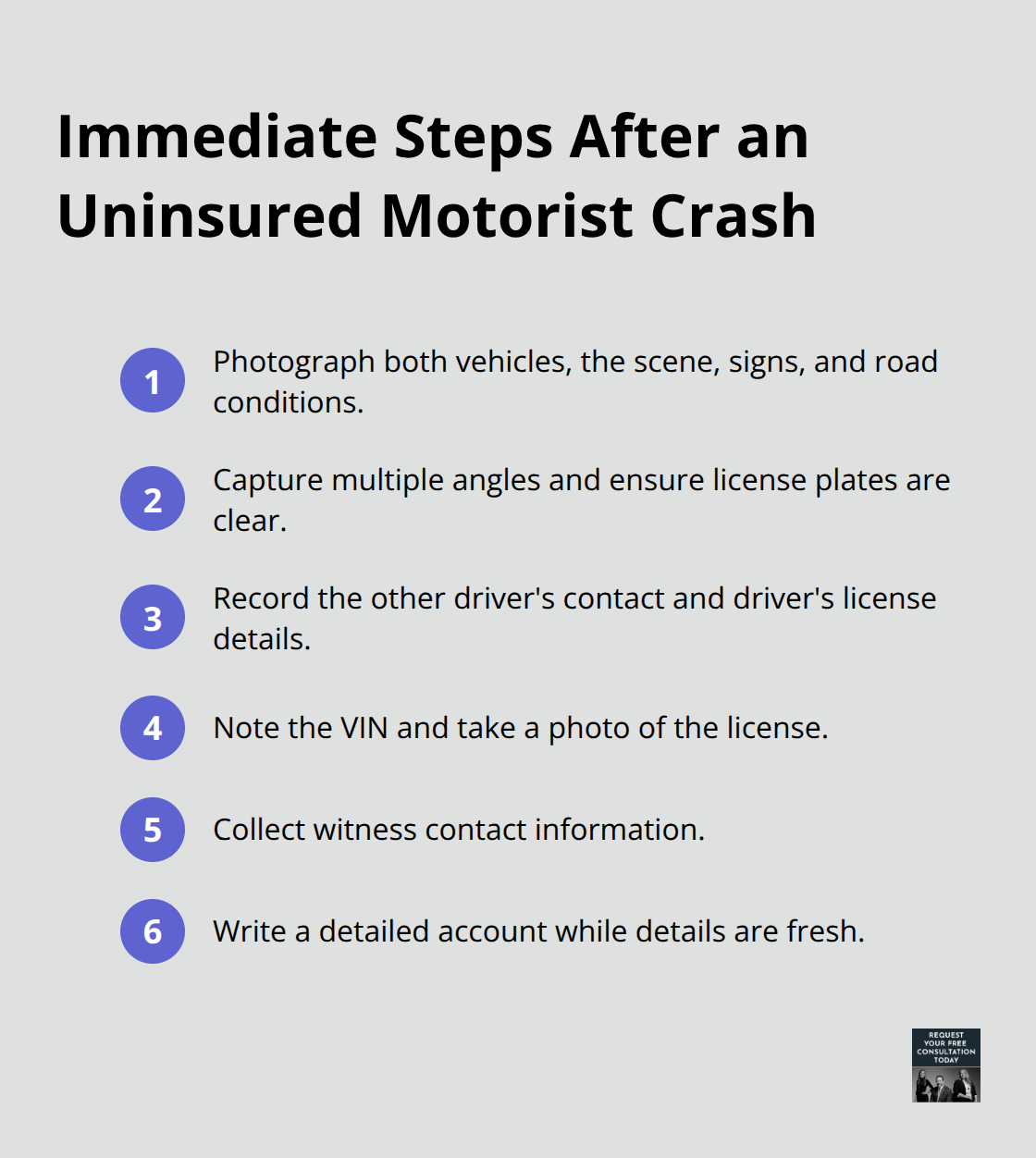
Ask for their vehicle identification number and take a photo of their driver’s license itself. Request contact information from any witnesses who saw the crash happen-their statements carry significant weight when the other driver claims the accident wasn’t their fault.
Gather Witness Information and Your Own Account
Witness accounts corroborate fault determinations in approximately 73% of disputed cases, according to the Insurance Institute for Highway Safety, making this step essential. Write down everything you remember about how the crash occurred, including the time, weather conditions, and what the other driver was doing before impact. This written account, created while details remain fresh, strengthens your position considerably. The more specific you are about the sequence of events, the harder it becomes for the other driver to dispute responsibility later.
File a Police Report and Notify Your Insurance Company
Call the police non-emergency line immediately and file an accident report, even if the damage seems minor. California law requires you to report accidents involving injury or significant property damage, but filing a report regardless protects you. The police report creates an official record that your insurance company and any attorney will reference. After contacting police, call your insurance company within 24 hours and report the crash. Do not admit fault or speculate about what happened-stick to the facts. Tell your insurer you suspect the other driver is uninsured and ask about your uninsured motorist coverage.
Seek Medical Attention and Document Your Injuries
Seek medical attention within a few days even if you feel fine, because some injuries like whiplash and internal bleeding take time to appear. The Journal of Trauma reports that individuals who receive medical evaluation within 72 hours have better outcomes and stronger claims because the medical records create a clear timeline between the accident and your injuries. Document every medical visit, treatment, and expense. Keep receipts for medications, physical therapy, and any work you miss. This medical documentation becomes your foundation when filing a claim against your own insurance company’s uninsured motorist coverage, and it also establishes the severity of your injuries for potential legal action.
Your insurance coverage options now determine what compensation you can actually recover from this situation.
How Your Insurance Protects You Against Uninsured Drivers
Understanding Your Coverage Options
Your own insurance policy becomes your financial shield when an uninsured motorist causes a crash. California requires all drivers to carry minimum liability coverage of $15,000 per person for bodily injury and $5,000 for property damage, but most uninsured drivers carry nothing. This gap between what they’re required to carry and what they actually have is where your uninsured motorist coverage steps in. Two coverage types matter here: uninsured motorist bodily injury coverage pays for your medical expenses, lost wages, and pain and suffering when the other driver has no insurance, while uninsured motorist property damage coverage handles repairs to your vehicle.
Stacking Coverage and Setting Adequate Limits
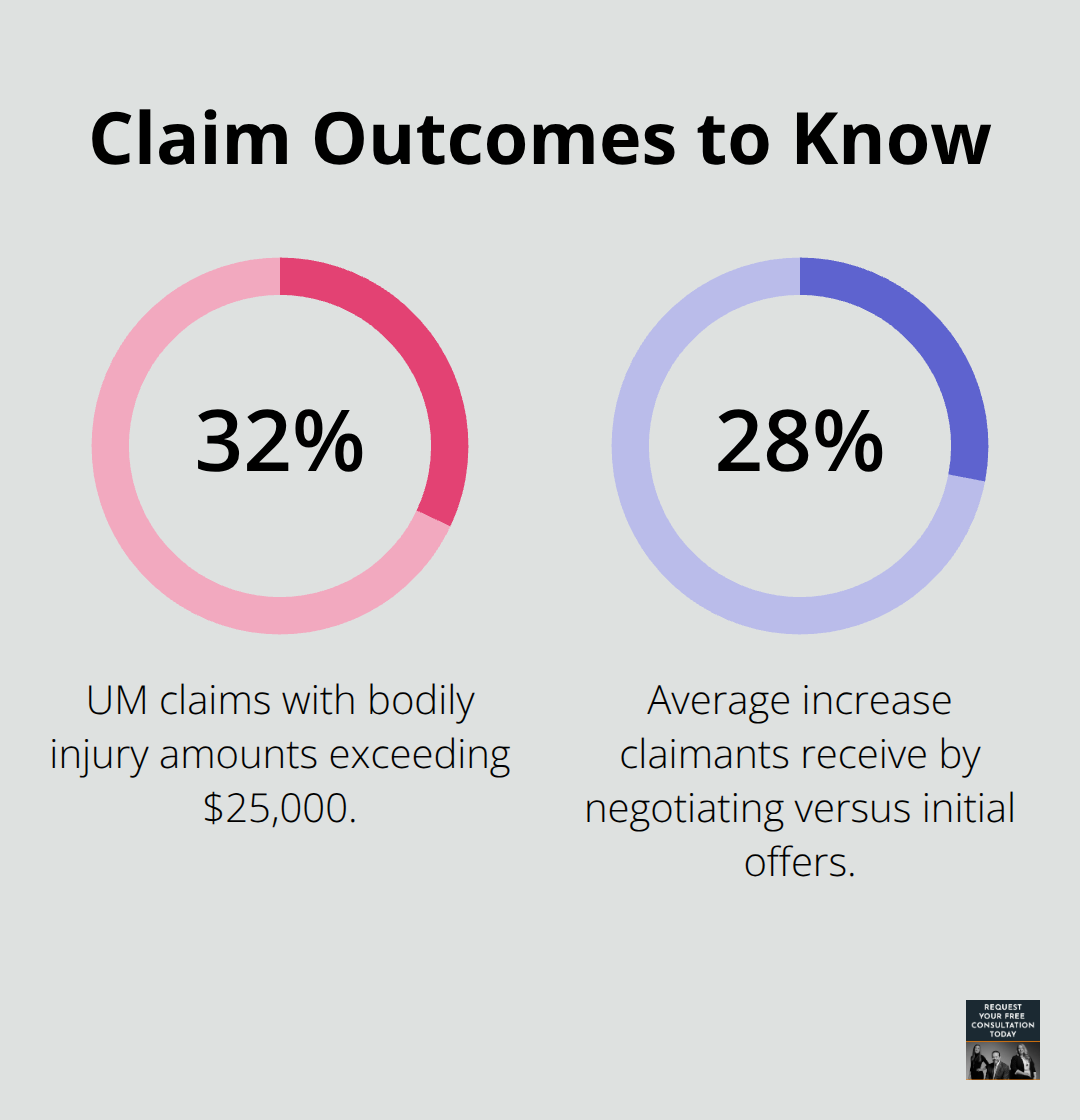
California law allows you to stack these coverages if you have multiple vehicles on your policy, meaning you can recover more if your damages exceed a single vehicle’s limits. The Insurance Information Institute reports that approximately 32% of uninsured motorist claims involve bodily injury amounts exceeding $25,000, making adequate coverage limits essential. Most Californians carry far too little uninsured motorist coverage, often accepting the state minimums without understanding how quickly medical bills accumulate. A single hospitalization can easily exceed $50,000, leaving you personally responsible for anything above your coverage limits if you haven’t purchased higher limits.
Starting Your Insurance Claim
Contact your insurance company immediately with your police report number and explain that you believe the other driver is uninsured. Your insurer will assign a claims adjuster who will request your medical records, repair estimates, and documentation of lost wages. This process typically takes 30 to 60 days for straightforward cases, though more complex injuries may require longer investigation.
Negotiating Your Settlement
Do not accept the first settlement offer if it seems low-insurance companies often open negotiations below what your claim is actually worth. The National Association of Insurance Commissioners data shows that claimants who negotiate receive an average of 28% more than initial offers. Provide your adjuster with itemized medical bills rather than insurance statements, as they show the actual cost of treatment.
If your injuries are significant or the insurer denies your claim, an attorney can help you challenge that decision and pursue the compensation you actually deserve.
Moving Forward After an Uninsured Motorist Crash
When your insurance claim reaches its limits or the insurer denies your claim entirely, pursuing legal action against the uninsured driver becomes your next option. An attorney can file a lawsuit to recover damages beyond what your uninsured motorist coverage provides, including pain and suffering, lost earning capacity, and future medical expenses. The challenge lies in collecting a judgment from someone without assets or income, but winning a judgment creates a legal claim against their future wages and property.
Contact an attorney when your medical bills exceed your coverage limits, your injuries are severe, or your insurance company denies your claim. Many personal injury attorneys work on contingency, meaning you pay nothing upfront and they collect a percentage only if you win (this arrangement removes financial barriers to getting legal representation). Time matters significantly in uninsured motorist California situations because California’s statute of limitations gives you two years from the accident date to file a personal injury lawsuit, but evidence degrades and witnesses become harder to locate as time passes.
Once you win your case, the court issues a judgment, but the other driver must have income or assets to satisfy it. California allows judgment creditors to garnish wages, place liens on property, and pursue collection through various legal mechanisms. Contact us to discuss your specific situation and determine the best path forward for your recovery.