
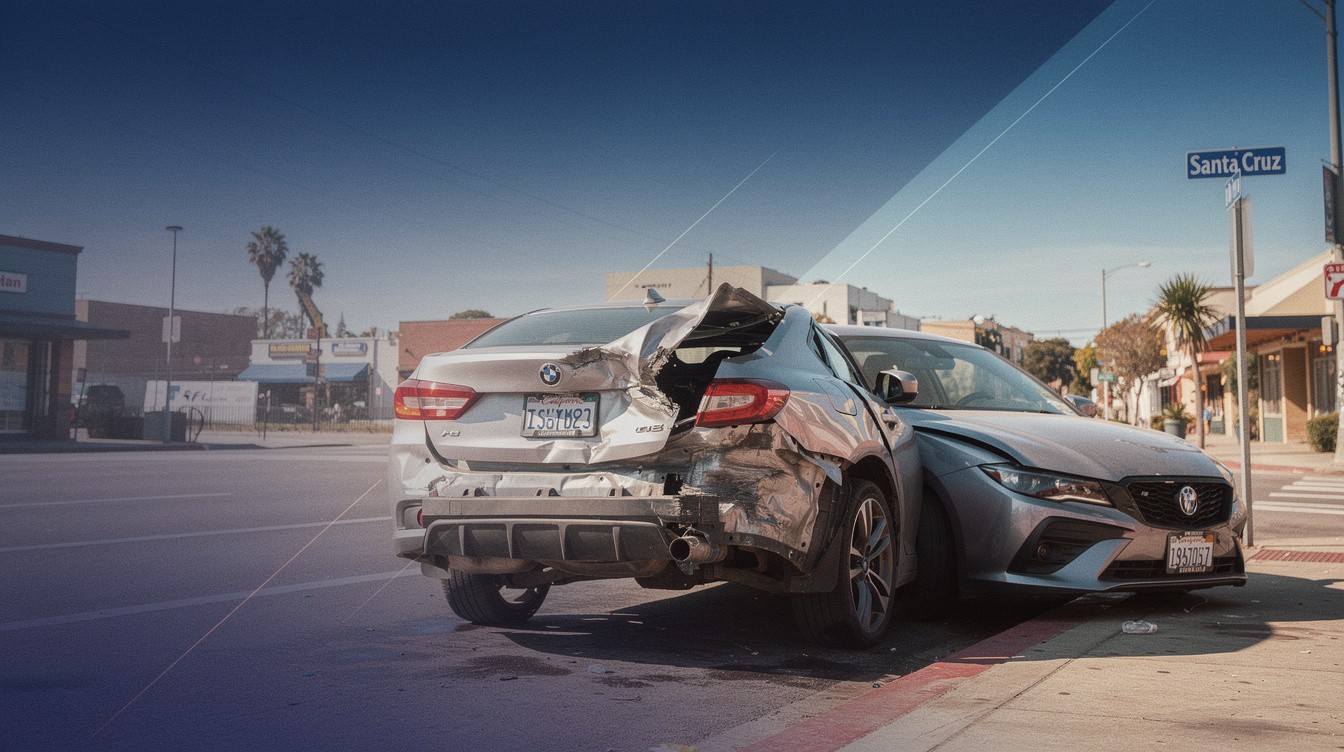
A rear end collision in Santa Cruz can happen in seconds, but the aftermath requires careful attention to protect your rights and your recovery.
At Schaar & Silva LLP, we’ve helped countless accident victims navigate the claims process and secure fair compensation. This guide walks you through the essential steps to take immediately after a collision, how fault is determined, and why documenting your injuries matters.
What to Do Right After Your Rear End Collision
Move to Safety and Call for Help
The first minutes after a rear end collision determine how strong your claim becomes. Your immediate actions directly impact what insurance companies will accept and what a court might award you later. Move to safety first-if you’re able and it’s safe, get yourself and your vehicle out of traffic. Call 911 if anyone is injured or if the vehicles block lanes.
Document Everything at the Scene
Shift into documentation mode immediately. Photograph all vehicle damage from multiple angles, the overall scene, road conditions, traffic signals, and any visible skid marks or debris. Capture wide shots showing where both vehicles ended up relative to road markings. These photos matter because they provide objective evidence that survives the insurance adjuster’s interpretation.
Collect Driver and Witness Information
Obtain the other driver’s full name, phone number, email address, driver’s license number, license plate, vehicle make and model, and insurance company with policy number. Don’t rely on memory-write it down or photograph their documents directly. Collect the same information from any witnesses who saw the collision happen.
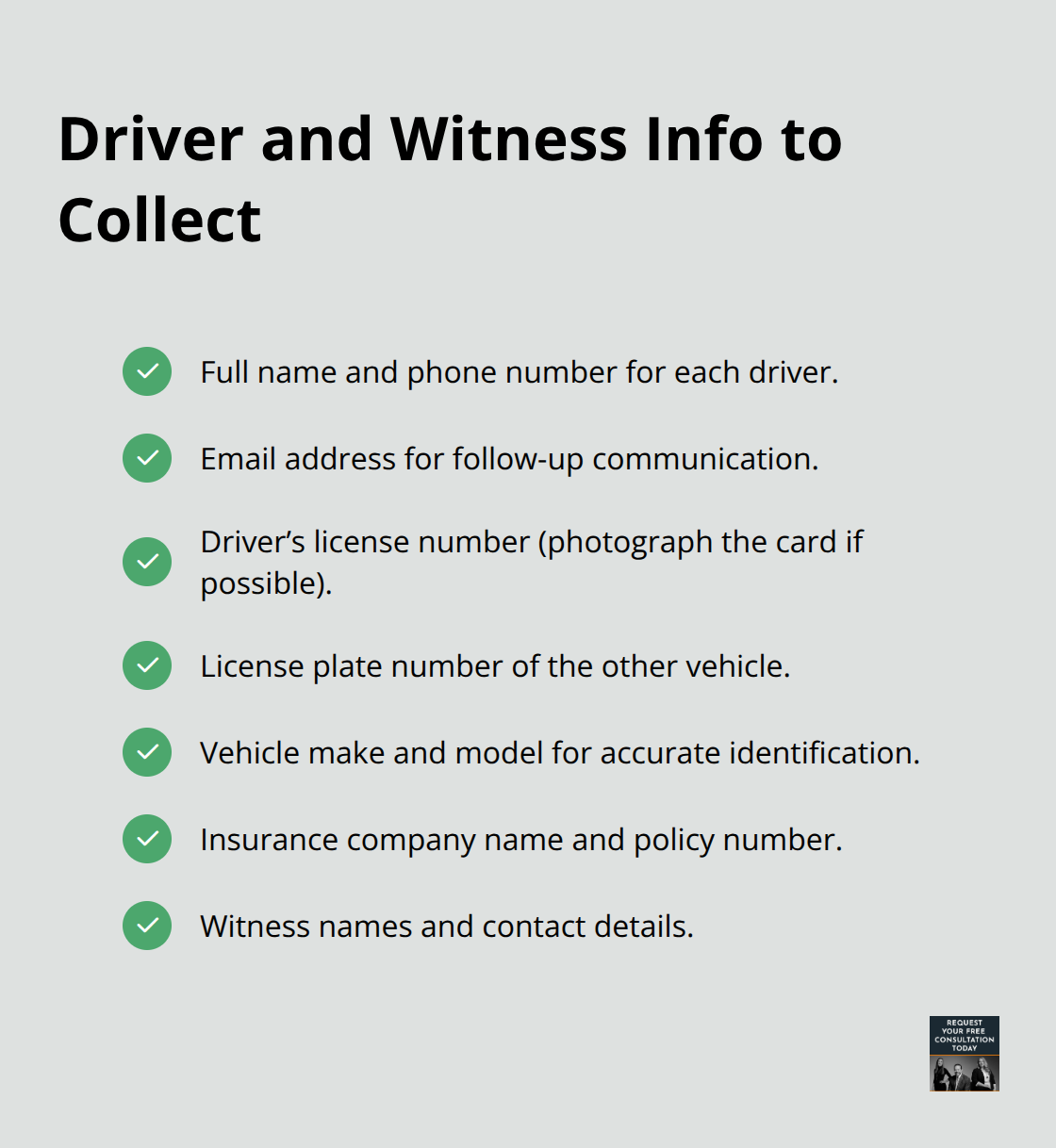
Witness statements often prove decisive when liability gets disputed, particularly in cases where the front driver’s sudden braking or brake light failure becomes relevant.
Report to Police and Your Insurance Company
Report the accident to the Santa Cruz County Sheriff’s Office by calling their non-emergency line or visiting in person if you need an official report. Insurance companies typically require a police report before processing your claim, and this report creates an official record of what happened. Contact your insurance company within 24 hours-most policies demand prompt notification. Tell them you were in a rear end collision and provide the date, time, location, and the other driver’s information. Don’t admit fault or speculate about what caused the accident; stick to factual details.
Request a claim number and the name of your adjuster. Follow up with your insurer in writing via email to create a documented trail of your communications. If injuries emerge later or you’re unsure about damage extent, you can file a supplemental claim. Obtain a certified copy of your crash report from the Santa Cruz County Sheriff’s Office using their Public Records Request process-you’ll need this for your claim file and any future legal action.
Organize Your Documentation
Keep all documentation organized: photos, insurance information, medical records, repair estimates, and police report number. This organized file strengthens your position whether you settle with insurance or pursue further action. Understanding how insurance companies evaluate fault requires knowing the legal standards that apply to your situation in Santa Cruz County.
Understanding Liability and Fault in Rear End Accidents
The Legal Presumption Against the Rear Driver
California Vehicle Code Section 21703 creates a strong presumption that the rear driver bears fault in a rear end collision. The law requires drivers to maintain a safe following distance at all times, and when a rear driver fails to do so, they violate this duty. This presumption exists because drivers must react to sudden stops ahead of them. However, this presumption is not absolute. California’s pure comparative negligence rule means fault can be shared between both drivers, and the lead driver can bear partial liability if their actions contributed to the crash. Insurance companies in Santa Cruz County know this law well and use it as a starting point when they evaluate claims. The key question becomes whether the rear driver had sufficient time and distance to stop, given normal road conditions and visibility.
Situations That Shift Fault Away From the Rear Driver
Several situations can shift fault away from the rear driver or create shared liability. Non-functioning brake lights on the front vehicle prevent the rear driver from receiving adequate warning, which can shift significant blame to the lead driver since other drivers cannot react to what they cannot see. Sudden, unnecessary braking without a legitimate safety reason also weakens the presumption against the rear driver, especially if there was no hazard requiring an emergency stop. Reversing unexpectedly in traffic or a parking lot makes the front driver responsible because drivers cannot reasonably anticipate backward movement.
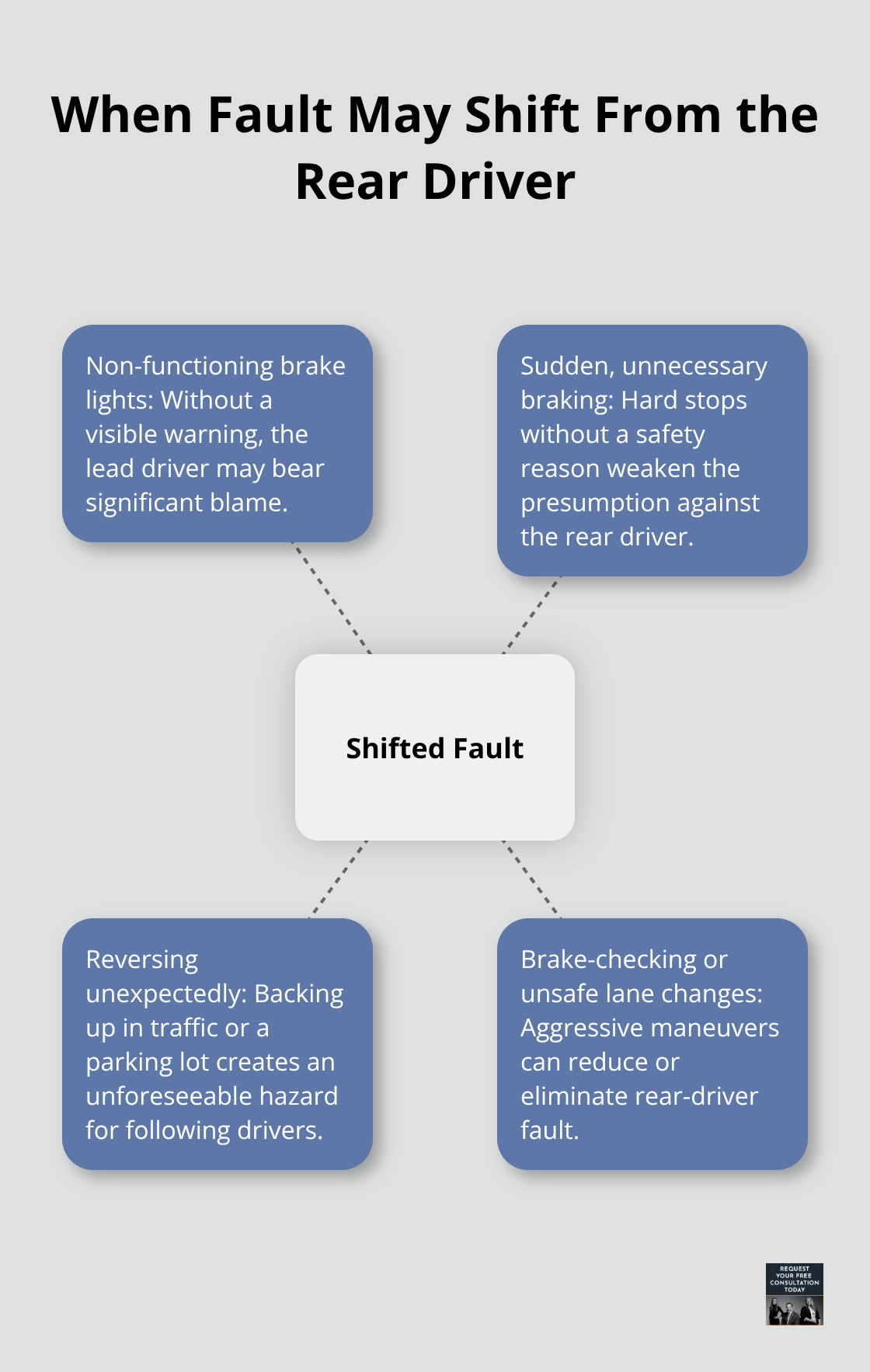
Brake-checking or unsafe lane changes by the lead driver (particularly when motivated by road rage) create collisions where the rear driver shares less or no fault.
How Courts Evaluate the Evidence
The 2018 case Shiver v. Laramee demonstrates that California courts determine fault based on the totality of evidence in each specific case, not on assumptions or legal presumptions alone. When you face blame for a rear end collision, obtain your police report immediately and photograph any evidence the investigating officer documented. Contact your insurance company and clearly explain circumstances that contradict the presumption of rear driver fault, such as brake light failure on the front vehicle or the lead driver’s sudden braking. If the front driver’s actions created the collision, your insurer needs this information to properly evaluate the claim.
Challenging Incorrect Fault Determinations
Many drivers accept fault too quickly without understanding comparative negligence rules, which allow recovery even when partially at fault. You can still recover medical expenses, lost wages, vehicle repairs or replacement, and pain and suffering damages, even if you share some responsibility for the crash. Insurance adjusters sometimes assign fault without investigating all contributing factors, and you have the right to challenge their determination if evidence supports a different outcome. Providing your insurer with complete documentation (photos, witness statements, and police reports) forces them to conduct a thorough investigation before they finalize their fault decision.
Understanding how insurance companies determine fault requires knowing what happens next in your claim process and how your medical documentation strengthens your position.
Medical Care and Documenting Your Injuries
Seek Medical Attention Immediately
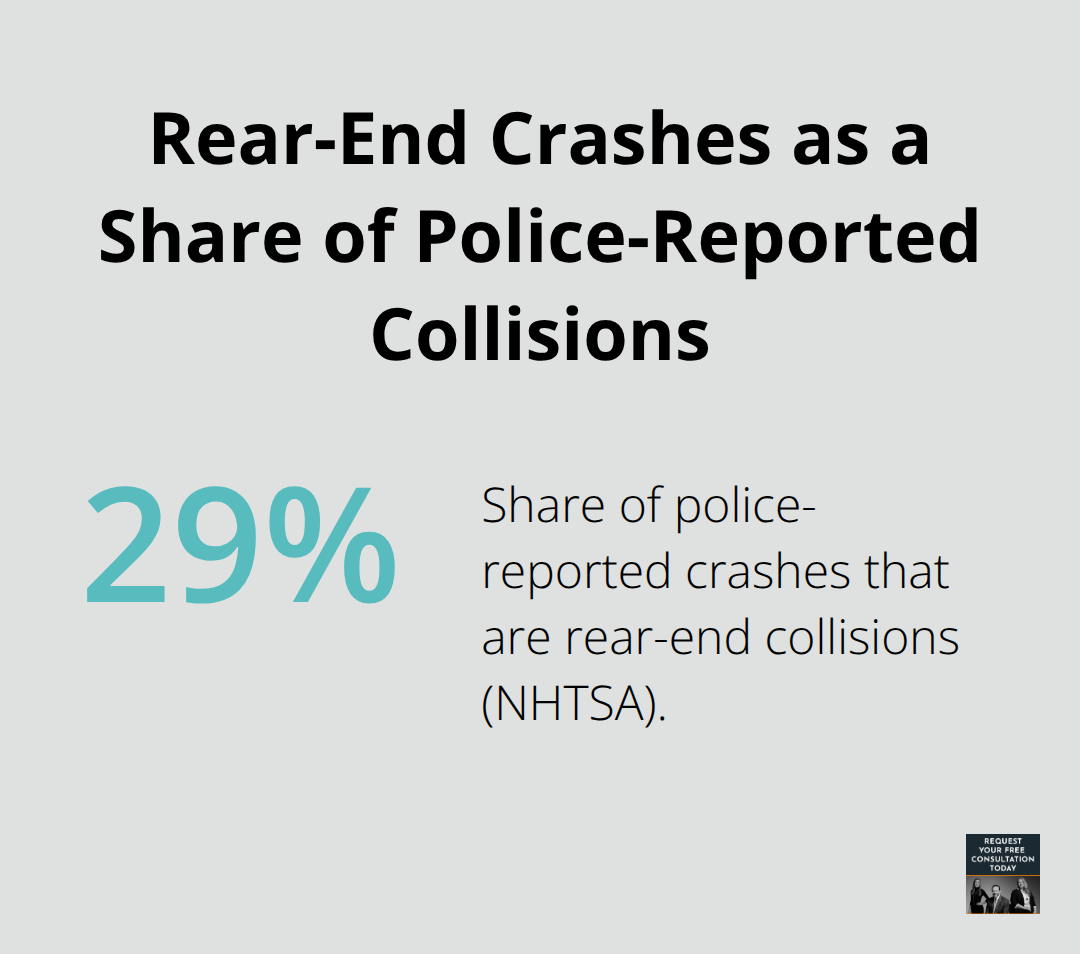
Seeking medical attention immediately after a rear end collision is not optional, regardless of whether you feel injured. Many accident victims delay treatment because they experience no obvious pain in the first hours or days, but rear end collisions frequently cause delayed injuries that emerge days or even weeks later. Whiplash, soft tissue damage, and internal injuries often develop gradually as swelling and inflammation progress. The National Highway Traffic Safety Administration reports that rear end collisions account for roughly 29% of all police-reported crashes, and many victims underestimate injury severity in the immediate aftermath.
If you wait to seek care, insurance companies will use that delay against you, arguing that your injuries were not serious enough to warrant immediate treatment or that they resulted from something other than the collision. Call your doctor or an urgent care clinic within 24 hours of the accident, even if you feel fine. Medical records created immediately after the collision establish a direct link between the accident and your injuries, which strengthens your claim significantly. Your medical provider will document your symptoms, perform examinations, and create objective evidence that insurance adjusters cannot dismiss.
Keep Detailed Records of All Medical Treatment
Keep detailed records of every medical expense and treatment related to the collision. This includes emergency room visits, follow-up appointments, physical therapy sessions, prescription medications, medical imaging like X-rays or MRI scans, and any specialist consultations. Track out-of-pocket costs for medical supplies, travel to appointments, and time away from work due to treatment. Insurance companies calculate damages based on documented medical expenses, so incomplete records mean lower compensation.
When you file your claim, provide your insurer with copies of medical bills, receipts, and treatment summaries. Courts and insurance adjusters evaluate the reasonableness and necessity of medical treatment based on what your provider documented, so thorough medical records directly translate to stronger claims and higher settlement offers.
Access Medical Lien Services If Needed
If your medical expenses exceed your insurance coverage limits, medical lien services can facilitate payment of your bills until your case is resolved. These services allow you to pursue treatment without financial hardship while your claim moves forward. We at Schaar & Silva LLP can help direct you to medical lien services that work with accident victims in Santa Cruz County, ensuring you receive the care you need without bearing the financial burden alone.
Final Thoughts
A rear end collision in Santa Cruz demands immediate action across multiple fronts. The steps you take in the first hours and days after impact directly determine how much compensation you receive and how smoothly your recovery progresses. Document the scene thoroughly with photos and video, collect complete information from the other driver and witnesses, report to police and your insurance company within 24 hours, and seek medical attention even if you feel fine.
Understanding California’s comparative negligence rules protects you from accepting undeserved blame. The legal presumption against the rear driver is not absolute, and circumstances like non-functioning brake lights, sudden braking without cause, or unsafe lane changes by the front driver can shift fault significantly. Insurance adjusters sometimes assign liability without investigating all contributing factors, so providing complete documentation forces them to conduct thorough investigations before finalizing their decisions.
Medical records matter enormously because delayed injuries from rear end collisions are common, and insurance companies use treatment delays against you. Keep detailed records of every medical expense, appointment, and specialist consultation. We at Schaar & Silva LLP help accident victims in Santa Cruz navigate claims, challenge incorrect fault determinations, and secure fair compensation-contact us for a case evaluation so you can focus on recovery while we handle the legal complexities of your situation.
