
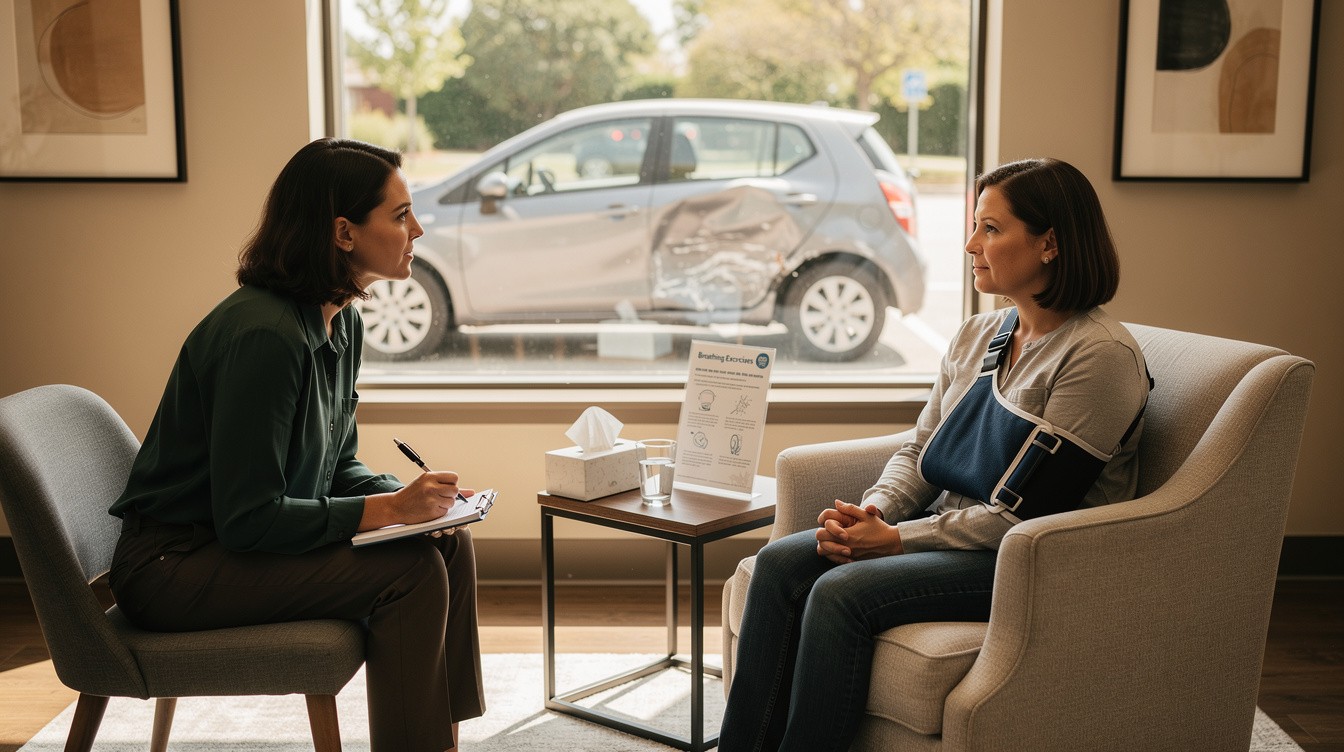
A car crash in Santa Cruz can shake you to your core, leaving wounds that go far deeper than physical injuries. Psychological trauma after an accident is real, and it affects how you think, feel, and move through your daily life.
We at Schaar & Silva LLP understand that recovery means addressing both your legal needs and your mental health. This guide walks you through what you’re experiencing and shows you concrete steps toward healing.
What Happens to Your Mind After a Crash
Your Brain’s Response to Impact
After a car accident, your brain and body shift into a state of high alert. This isn’t weakness or overreaction-it’s a biological response to trauma. According to the National Institute of Mental Health, approximately 9% of accident survivors develop post-traumatic stress disorder, while many more experience acute stress symptoms in the weeks following impact. Your mind replays the crash repeatedly, your body jumps at sudden noises, and you may avoid driving altogether.
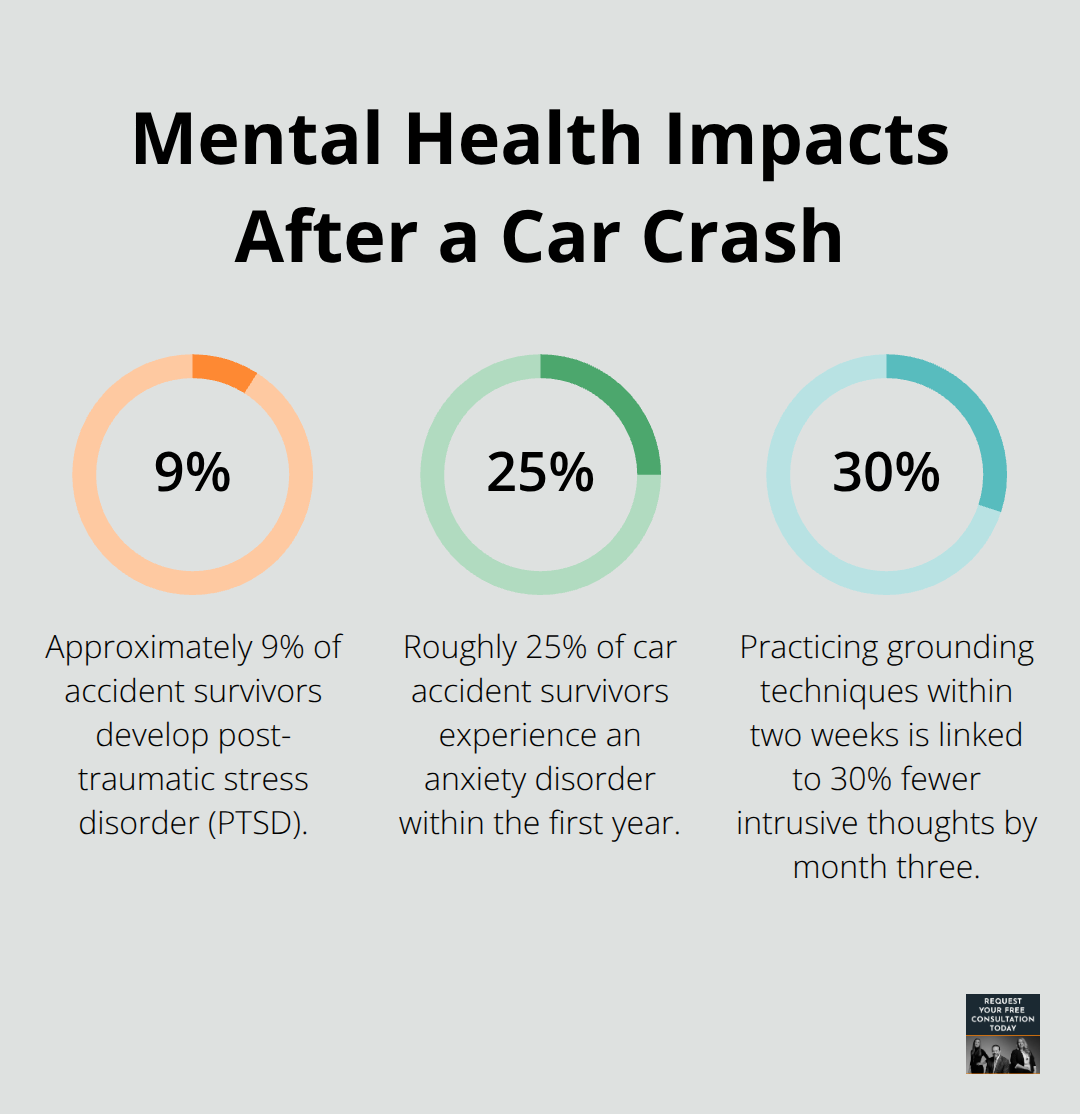
Intrusive memories arrive without warning, interrupting work or conversations. Concentration becomes difficult, sleep suffers, and irritability takes hold. The American Psychological Association notes that anxiety disorders affect roughly 25% of car accident survivors within the first year. These reactions aren’t signs that something is wrong with you-they’re expected responses to an abnormal event.
Physical Signals of Emotional Distress
Your physical body communicates distress before your mind fully processes it. Tension headaches, muscle stiffness, stomach problems, and elevated heart rate appear in the weeks after a crash. Some people develop sensitivity to sounds similar to the accident noise, or panic when certain driving situations remind them of the collision. Your nervous system remains activated, sending signals throughout your body that something dangerous occurred. These physical manifestations are real and measurable, not imaginary or exaggerated.
Why Your Recovery Looks Different From Others
The variation in how people respond depends on multiple factors: your previous trauma history, the severity of the accident, your support system, and your overall mental health before the crash. Someone with a prior anxiety disorder may struggle more intensely than someone without that background. A person who was alone during the accident processes it differently than someone injured alongside family members. Age matters too-younger people sometimes show resilience differently than older adults. There’s no standard timeline for recovery, and comparing your progress to someone else’s experience only creates frustration. What matters is recognizing that your particular response is valid.
Moving Toward Support
Professional mental health support makes a measurable difference in your recovery. Therapists who understand accident-related trauma can help you process what happened and rebuild your sense of safety. We at Schaar & Silva LLP connect you with specialists who offer the psychological support you may require, so you don’t navigate this alone while managing recovery and legal matters simultaneously. The next section covers practical strategies you can start using today to manage your symptoms and begin healing.
Taking Action Now
Immediate Techniques to Calm Your Nervous System
Waiting for your symptoms to improve on their own rarely works. The sooner you address psychological trauma after your crash, the faster your nervous system settles and your life stabilizes. Start with grounding techniques you can use immediately when anxiety spikes or memories intrude. The 5-4-3-2-1 technique works well: name five things you see, four you can touch, three you hear, two you smell, and one you taste. This redirects your brain from the crash memory back to your present surroundings.
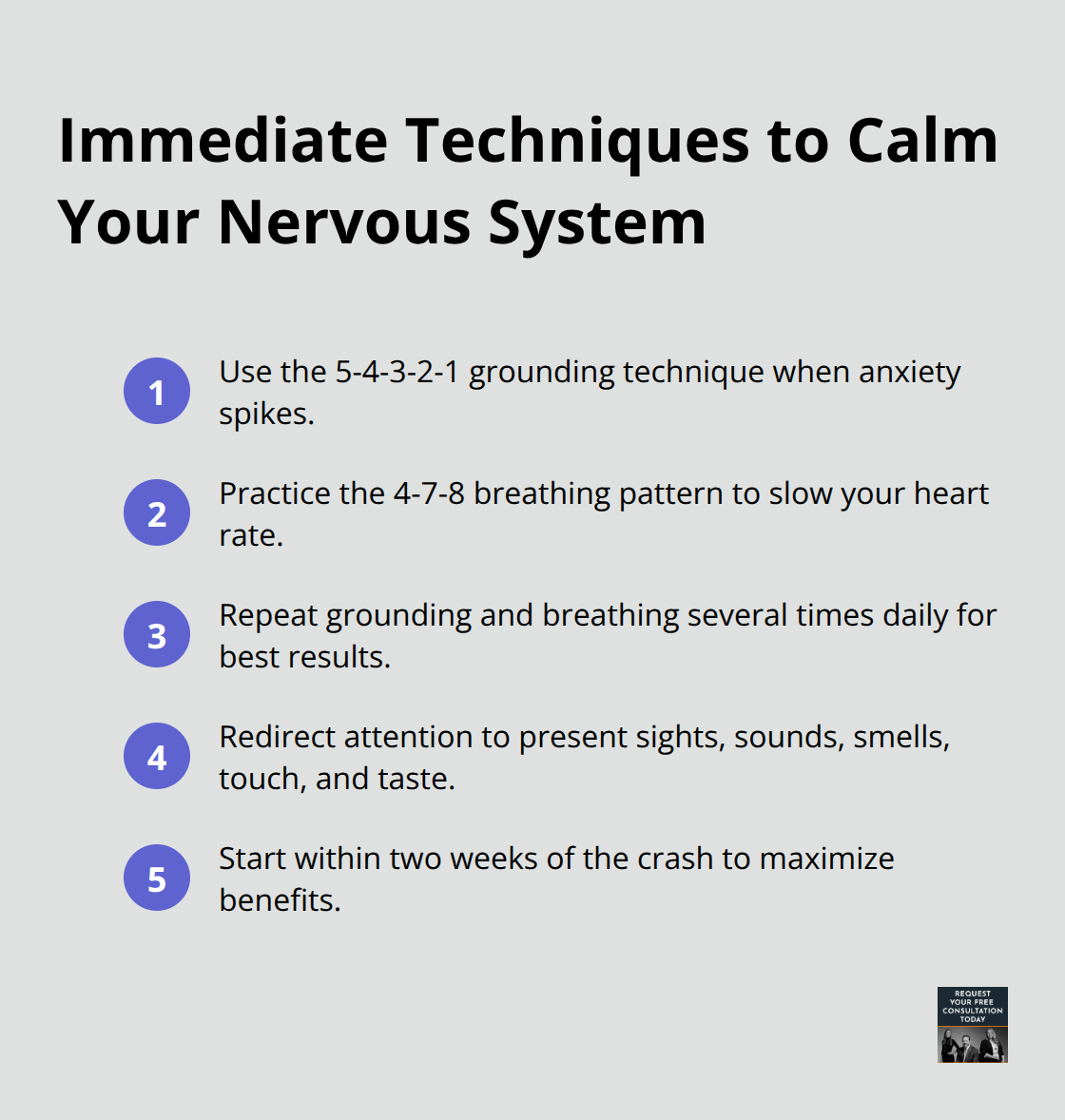
Another practical option is the 4-7-8 breathing method, where you inhale for four counts, hold for seven, and exhale for eight, which activates your parasympathetic nervous system and calms your racing heart. Practice these techniques multiple times daily, not just when panic hits. Research from the Journal of Traumatic Stress Studies shows that people who practice grounding techniques within two weeks of an accident report 30% fewer intrusive thoughts by the third month.
Movement as a Recovery Tool
Your body needs physical activity to process trauma. Walk, swim, or cycle for 30 minutes at least three times weekly to reduce anxiety and improve sleep quality according to data from the American Heart Association. Movement helps metabolize stress hormones that accumulate after trauma. These activities work best when you maintain consistency rather than exercising sporadically during crisis moments.
Recognizing When Professional Help Becomes Necessary
Professional mental health support becomes necessary when symptoms persist beyond four weeks or intensify rather than gradually fade. If you avoid driving, experience panic attacks, have nightmares multiple nights per week, or struggle to work and maintain relationships, contact a therapist trained in trauma treatment. Cognitive behavioral therapy and eye movement desensitization and reprocessing show strong evidence for treating accident-related trauma. Don’t wait for symptoms to worsen before seeking help.
Building Connection With Others
Connect with others who understand what you’re experiencing through accident survivor support groups in Santa Cruz County, which meet monthly and provide practical advice from people navigating identical challenges. Building these connections early prevents isolation and accelerates your healing process. The relationships you form in these groups often provide insights that professional therapy alone cannot offer.
As you take these steps to stabilize your mental health, your legal situation also requires attention and proper handling. The next section covers the resources and professional help available specifically in Santa Cruz County that can support both your recovery and your case.
Finding Mental Health Support in Santa Cruz County
Locating Therapists Trained in Accident Trauma
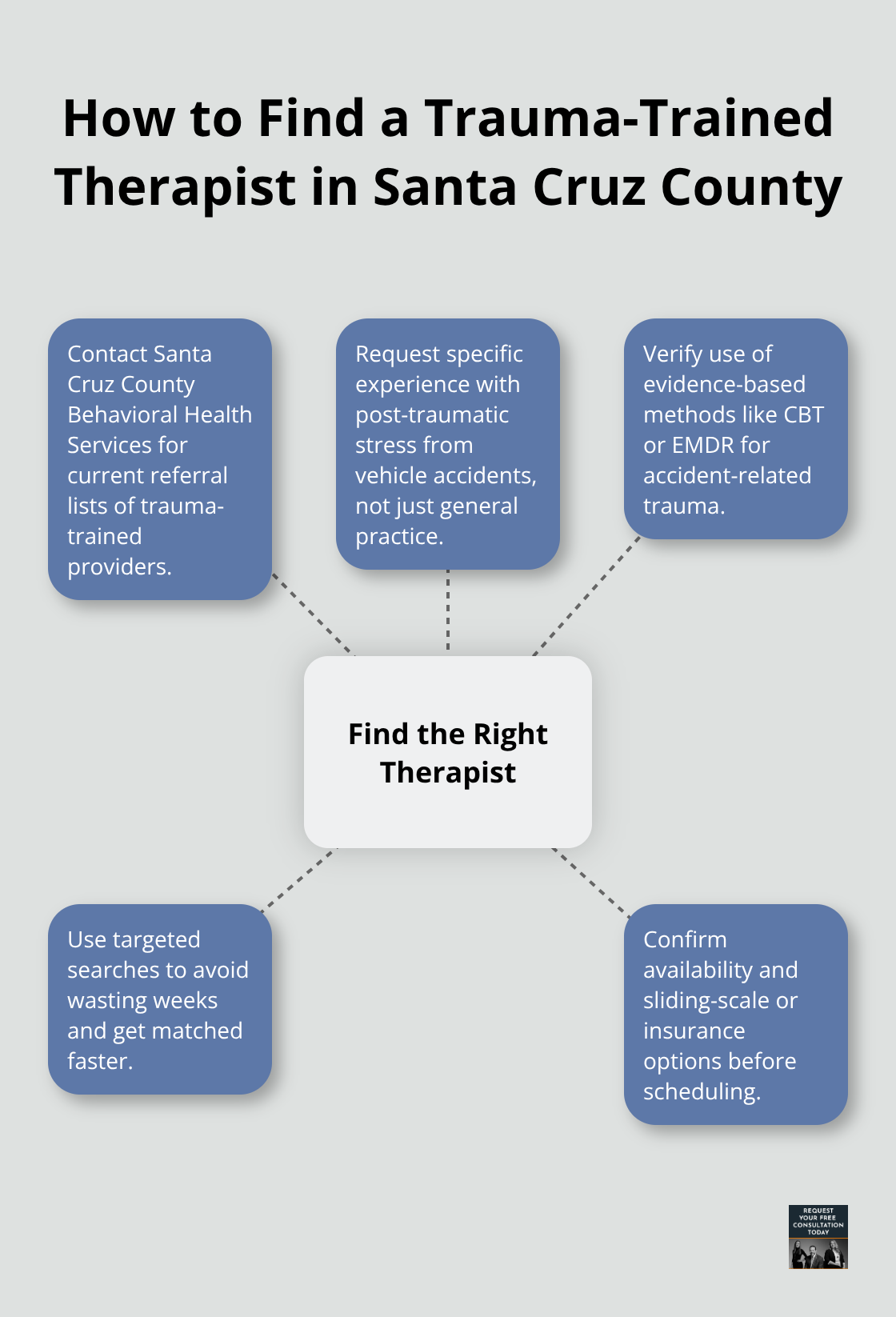
Santa Cruz County has more mental health resources available than most people realize, but finding the right fit requires knowing where to look and what questions to ask. The Monterey Bay Area has approximately 340 licensed therapists according to the California Board of Behavioral Sciences, yet many accident survivors waste weeks searching randomly instead of using targeted approaches. Start with the Santa Cruz County Behavioral Health Services department, which maintains current referral lists for therapists trained in trauma treatment. When you call, request someone with experience treating post-traumatic stress from vehicle accidents rather than accepting the first available appointment. Ask about their use of evidence-based treatments like cognitive behavioral therapy or eye movement desensitization and reprocessing, which research from the American Psychological Association confirms work best for accident-related trauma.
Understanding Cost and Access Options
Many therapists offer sliding scale fees, meaning your cost adjusts based on income, which matters significantly when you manage medical bills alongside therapy expenses. If cost remains a barrier, the Community Health Trust in Santa Cruz offers trauma counseling on a sliding scale for uninsured and underinsured residents. Don’t settle for a therapist who seems uncertain about treating accident trauma, as specialized knowledge makes the difference between slow progress and measurable improvement within weeks.
Connecting With Survivor Support Groups
Accident survivor support groups meet regularly throughout Santa Cruz County and provide something therapy alone cannot: direct peer experience from people navigating identical challenges. The Santa Cruz County Mental Health Advocates hosts monthly meetings where survivors share coping strategies and practical advice about returning to driving, managing anniversary reactions, and addressing relationship strain caused by trauma. These groups typically meet evenings or weekends to accommodate work schedules, and most charge no fee for attendance. Attending even one meeting often reduces the isolation that intensifies psychological symptoms after crashes.
Coordinating Your Recovery Support
We at Schaar & Silva LLP understand that managing trauma while handling legal matters creates overwhelming pressure. Our team connects clients with both therapists and support groups as part of our approach to your recovery. This coordination means you work with providers who communicate about your needs rather than separate professionals operating in isolation.
Moving Forward
Recovery from psychological trauma in Santa Cruz doesn’t happen in isolation, and you’re managing both emotional wounds and practical concerns simultaneously. Medical documentation of your psychological symptoms strengthens your claim, while resolving your legal matter reduces the stress that slows emotional healing. We at Schaar & Silva LLP recognize this connection and approach your case with this understanding, handling the legal complexities of property damage claims, medical bill assistance, and fair compensation while you focus on rebuilding your sense of safety.
Starting your recovery means taking one concrete action this week-call a therapist from the Santa Cruz County Behavioral Health Services referral list or attend a monthly meeting with accident survivors in your community. The grounding techniques you learned work immediately when anxiety spikes, giving you tools you can use today without waiting for appointments or resources to align. These first steps feel small but create momentum that compounds over time.
We at Schaar & Silva LLP connect you with the mental health specialists you need while managing your legal recovery, ensuring you’re not juggling separate professionals or repeating your story to people who don’t understand accident-related trauma. Contact Schaar & Silva LLP to discuss how we support both your legal needs and your path toward healing after your crash.
