
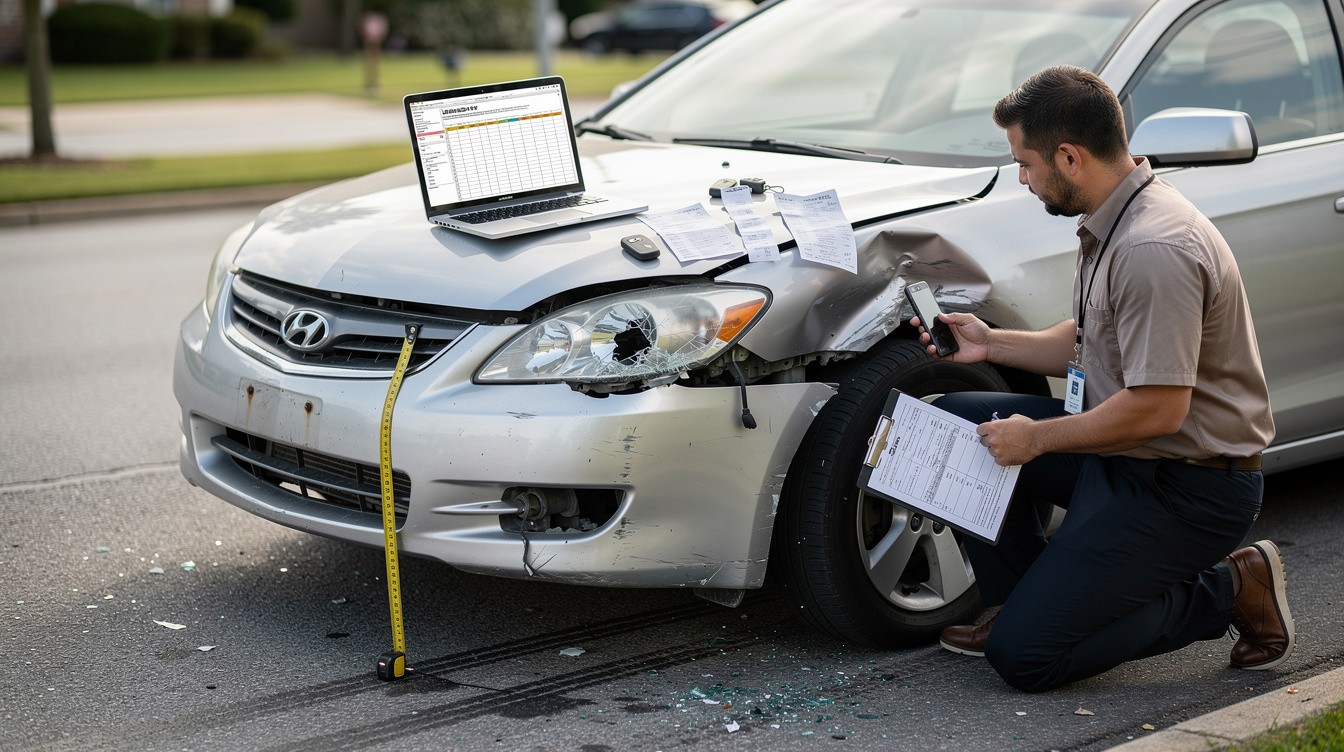
A crash leaves you with more than just injuries and stress-it leaves you with property damage that needs proper valuation. Insurance companies often underestimate what your vehicle is actually worth, which means you could lose thousands of dollars if you’re not careful.
We at Schaar & Silva LLP have helped countless people in Santa Cruz County, Sacramento, and Oakland navigate property damage claims. This property damage valuation guide walks you through documenting your losses, getting accurate estimates, and standing up to lowball settlement offers.
What Counts as Property Damage in Your Claim
Beyond the Obvious Damage
Property damage after a crash extends far beyond dents and broken glass. When you file a claim, you’re entitled to compensation for the vehicle itself and everything attached to it at the time of the accident. Your stereo system, GPS unit, custom wheels, or roof rack all qualify for coverage. Insurance companies frequently try to separate these items into different categories, which artificially lowers your total payout. If it was part of your vehicle when the crash happened, it’s part of your property damage claim. People in Santa Cruz County, Sacramento, and Oakland often accept settlements without accounting for aftermarket additions or modifications, costing them thousands in the process.
Understanding Actual Cash Value vs. Replacement Cost
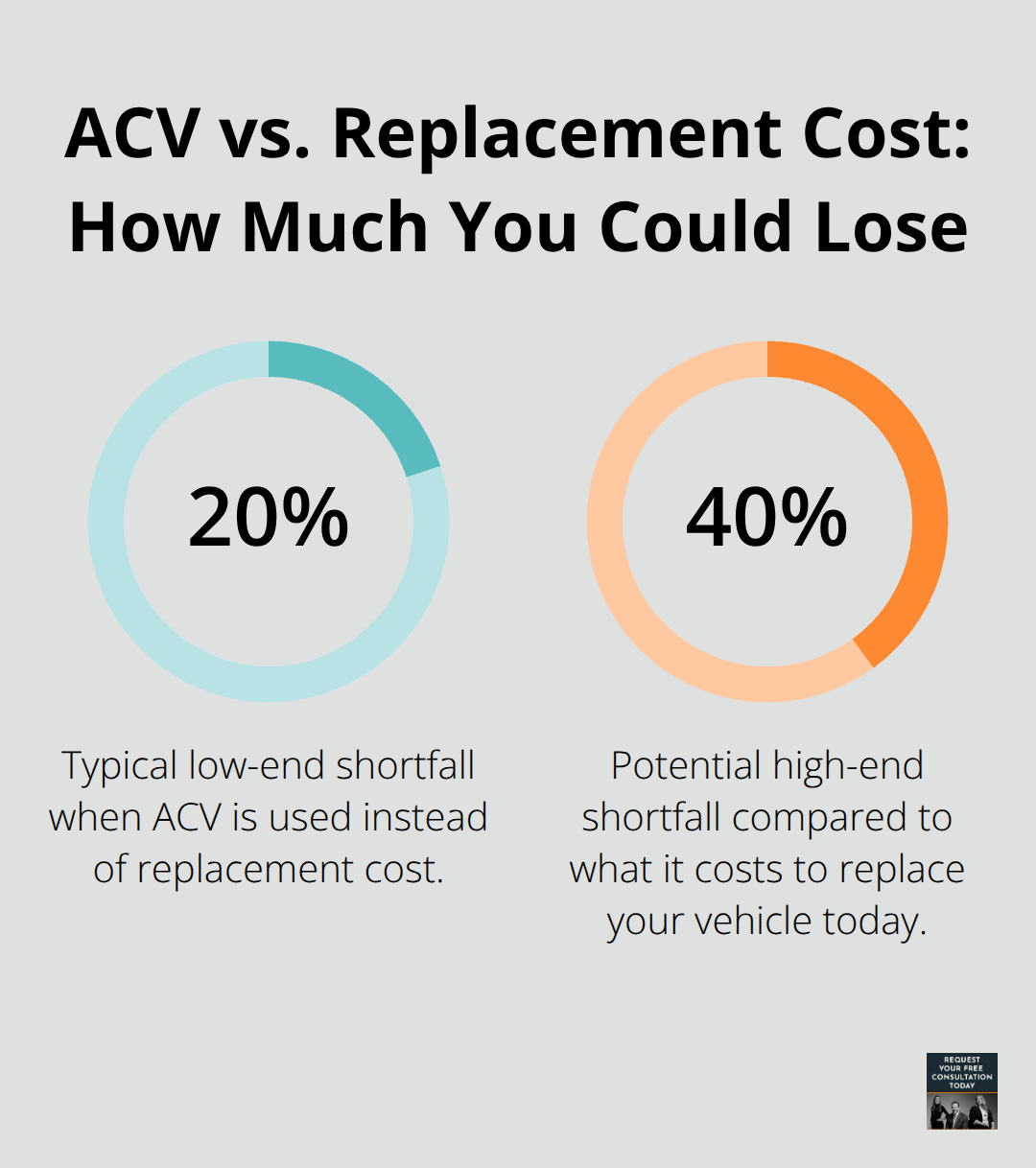
The distinction between actual cash value and replacement cost matters significantly. Actual cash value factors in depreciation, meaning a five-year-old vehicle is worth less than when it rolled off the lot. Most insurance companies use actual cash value, which can shortchange you by 20 to 40 percent compared to what you’d actually pay to replace the vehicle. Replacement cost coverage, while less common, pays what you’d spend to buy an equivalent vehicle today. You should know your policy type before negotiating with adjusters.
Rental Car Expenses and Additional Costs
Rental car expenses while your vehicle undergoes repair qualify as property damage costs. If the at-fault party’s insurance refuses to cover your rental, that’s a red flag that they’re undervaluing your claim. Insurance companies sometimes deny legitimate rental expenses simply because claimants don’t push back hard enough during initial negotiations. Accurate valuation protects you from absorbing costs that should rightfully fall on the responsible party’s insurance.
The next step involves documenting exactly what you lost and gathering the evidence that supports your valuation.
Building Your Property Damage Evidence
Photograph and Document Immediately
Documentation separates people who recover full compensation from those who accept inadequate settlements. Start photographing your vehicle immediately after the crash, before any repairs begin. Take wide shots showing the overall damage, close-ups of specific dents and broken parts, and photos of the surrounding accident scene. Shoot from multiple angles in daylight conditions whenever possible, as poor lighting makes damage assessment harder for adjusters. Video documentation works even better than still photos because it captures the full scope of damage in sequence.
Many people in Santa Cruz County, Sacramento, and Oakland skip this step entirely, then struggle to prove their losses weeks later when memory fades and additional damage becomes harder to substantiate. Insurance adjusters process claims faster when presented with clear visual evidence, and they’re less likely to dispute damage they can see clearly documented.
Obtain Professional Repair Estimates
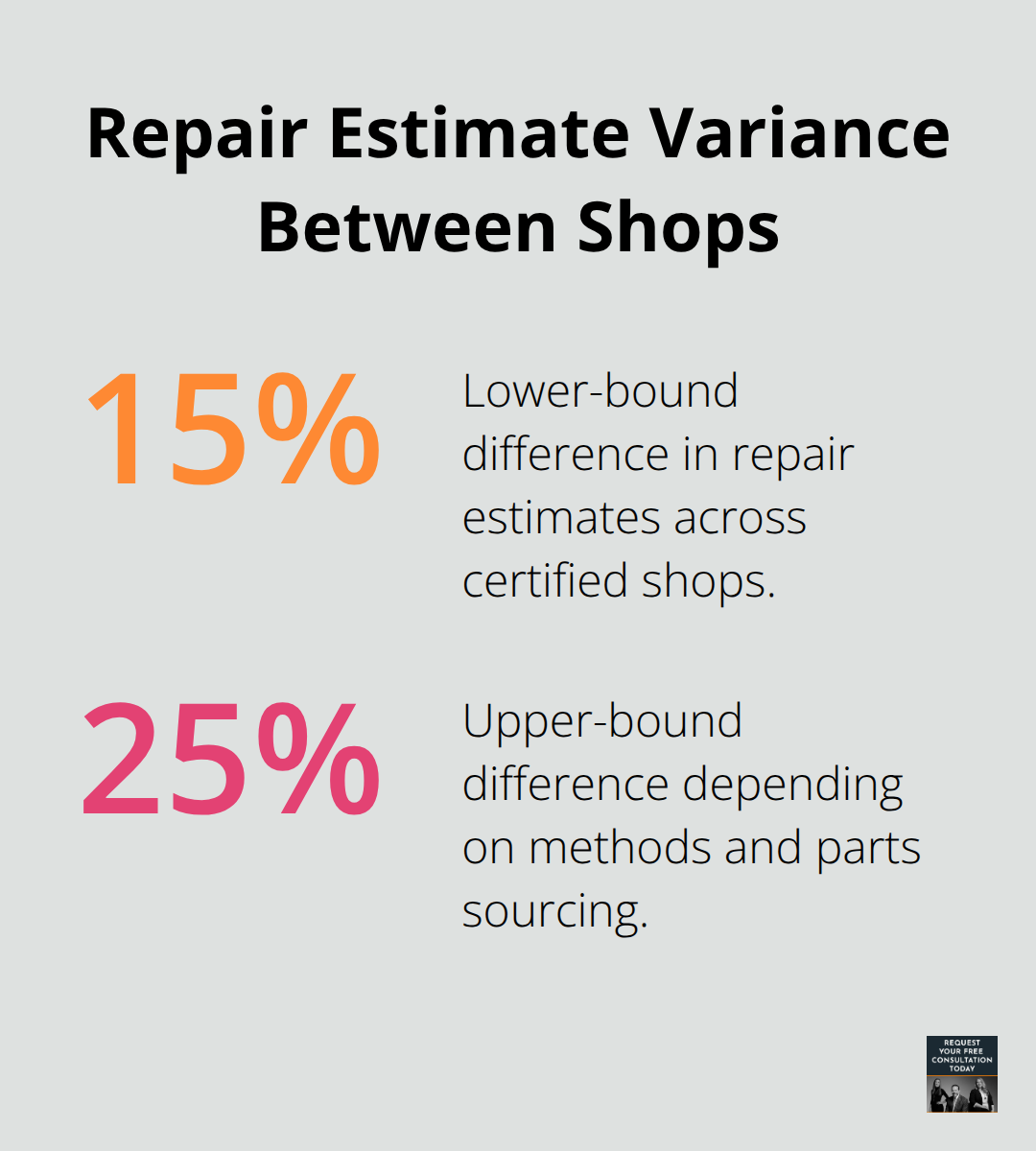
Professional repair estimates carry far more weight than your own assessment. Contact at least two or three certified repair shops in your area and request written estimates that itemize every repair needed. These estimates should list parts, labor costs, and the total replacement value separately. The National Highway Traffic Safety Administration data shows that repair cost estimates can vary by 15 to 25 percent between shops, depending on their assessment methods and parts sourcing.
Some shops use original manufacturer parts while others use aftermarket alternatives, which affects pricing significantly. You’ll have concrete documentation to support your position during negotiations when valuations don’t align with your repair estimates.
Gather Official Documentation
Obtain your police report from the local law enforcement agency that responded to your crash, as this document establishes fault and creates an official record of the incident. Your insurance company needs this report to process your claim, and the at-fault party’s insurer uses it to verify liability. Keep copies of all correspondence with both insurers, including claim numbers, adjuster names, and dates of contact.
With your documentation complete, you’re ready to navigate the negotiation process with insurance companies and at-fault parties.
Getting Real Numbers From Insurance Adjusters
How Adjusters Calculate Settlement Offers
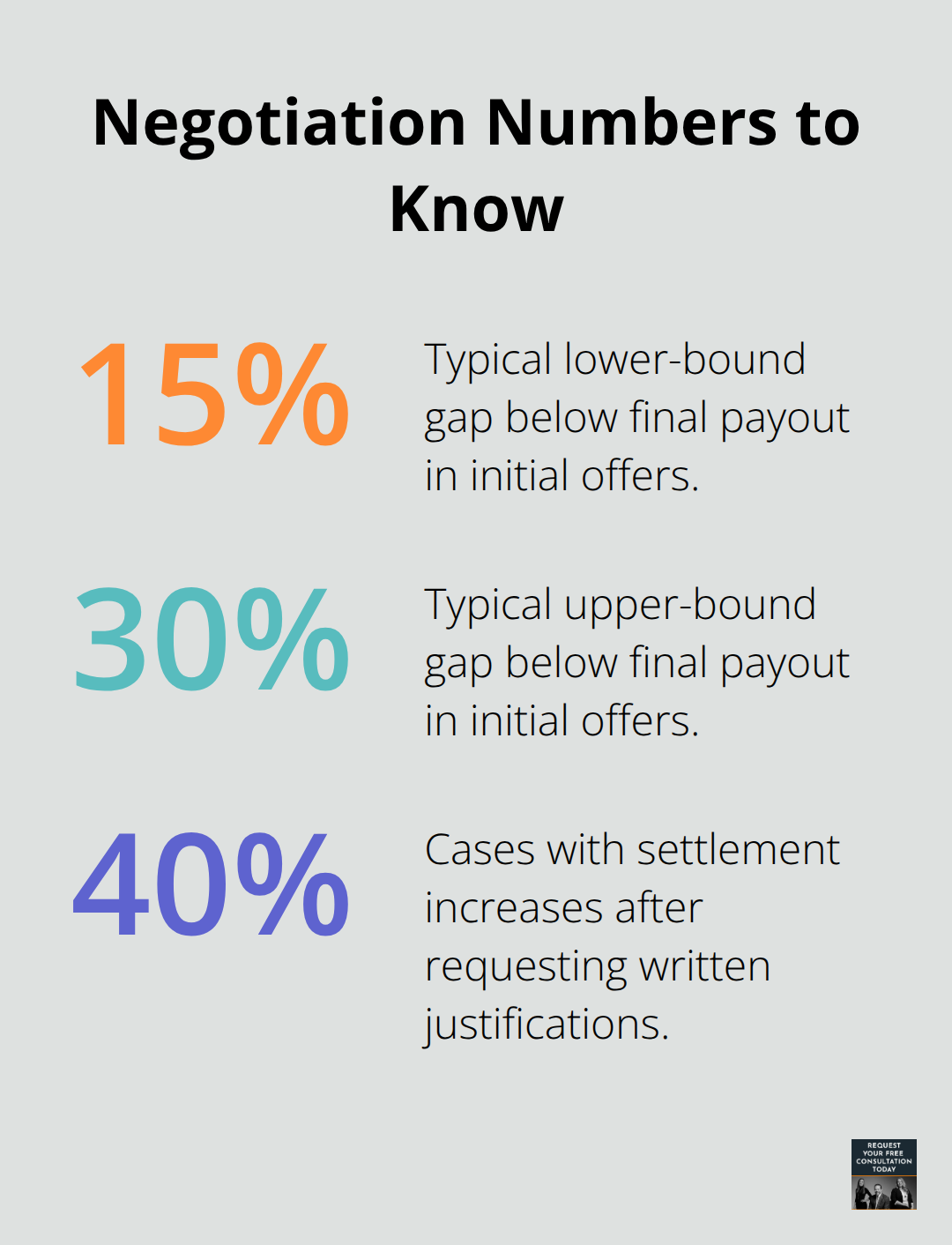
Insurance adjusters operate under specific guidelines that determine settlement offers, and understanding those guidelines gives you leverage during negotiations. The adjuster’s first offer rarely reflects your vehicle’s actual value. According to the Insurance Information Institute, initial settlement offers average 15 to 30 percent below what claimants ultimately receive when they push back with documentation. Your repair estimates, vehicle history reports, and photos create a factual foundation that adjusters cannot easily dismiss.
When an adjuster presents a valuation, ask them to itemize exactly how they calculated that number-parts cost, labor hours, depreciation percentage, and any deductions. Most adjusters will struggle to defend their math when forced to explain it in detail. If their valuation falls significantly below your professional estimates, request a written explanation of the discrepancy. This forces them to commit to specific reasoning rather than vague assessments.
The Power of Written Documentation
The American Bar Association notes that claimants who request written justifications for low offers see settlement increases in approximately 40 percent of cases. Don’t accept the first number an adjuster offers, regardless of how confident they sound. Written documentation creates accountability that verbal conversations cannot match.
Your repair estimates, photographs, and police reports represent your actual losses in concrete form. Adjusters process claims faster and offer higher settlements when they know you’ve done your homework and won’t accept inadequate compensation.
What to Do When Valuations Don’t Align
When your valuations genuinely don’t align with the adjuster’s assessment, you have concrete options beyond accepting their position. Request an independent appraisal from a certified vehicle appraiser in your area, which typically costs between 150 and 400 dollars but provides neutral documentation that carries significant weight in disputes.
If the at-fault party’s insurance refuses to budge after you’ve presented multiple repair estimates and professional appraisals, that’s when legal representation becomes valuable. Many people in Santa Cruz County, Sacramento, and Oakland assume they must accept whatever number an insurance company offers, but that assumption costs them thousands of dollars. Insurance companies count on claimants not knowing their negotiation rights or lacking the stamina to push back repeatedly.
The negotiation process requires patience and persistence, but the financial difference between accepting an initial lowball offer and negotiating properly often exceeds the cost of professional assistance.
Final Thoughts
Property damage valuation doesn’t end when you receive an insurance settlement offer. The real work happens when you decide whether that offer actually covers your losses. Your repair estimates, photographs, and professional appraisals represent the difference between recovering what you’ve lost and absorbing thousands in uncompensated damage.
If the adjuster’s valuation aligns with your professional repair estimates and you feel confident in the number, moving forward makes sense. If the gap between their offer and your documented losses exceeds a few hundred dollars, that discrepancy warrants further negotiation or professional review. Many people in Santa Cruz County, Sacramento, and Oakland leave money on the table simply because they don’t realize how much leverage their documentation provides.
When valuations remain misaligned after you’ve presented repair estimates and appraisals, legal representation becomes practical rather than optional. We at Schaar & Silva LLP can review your property damage valuation situation and help you receive fair compensation for your loss. If you’re in Santa Cruz County facing property damage disputes, contact Schaar & Silva LLP to discuss your options.
