
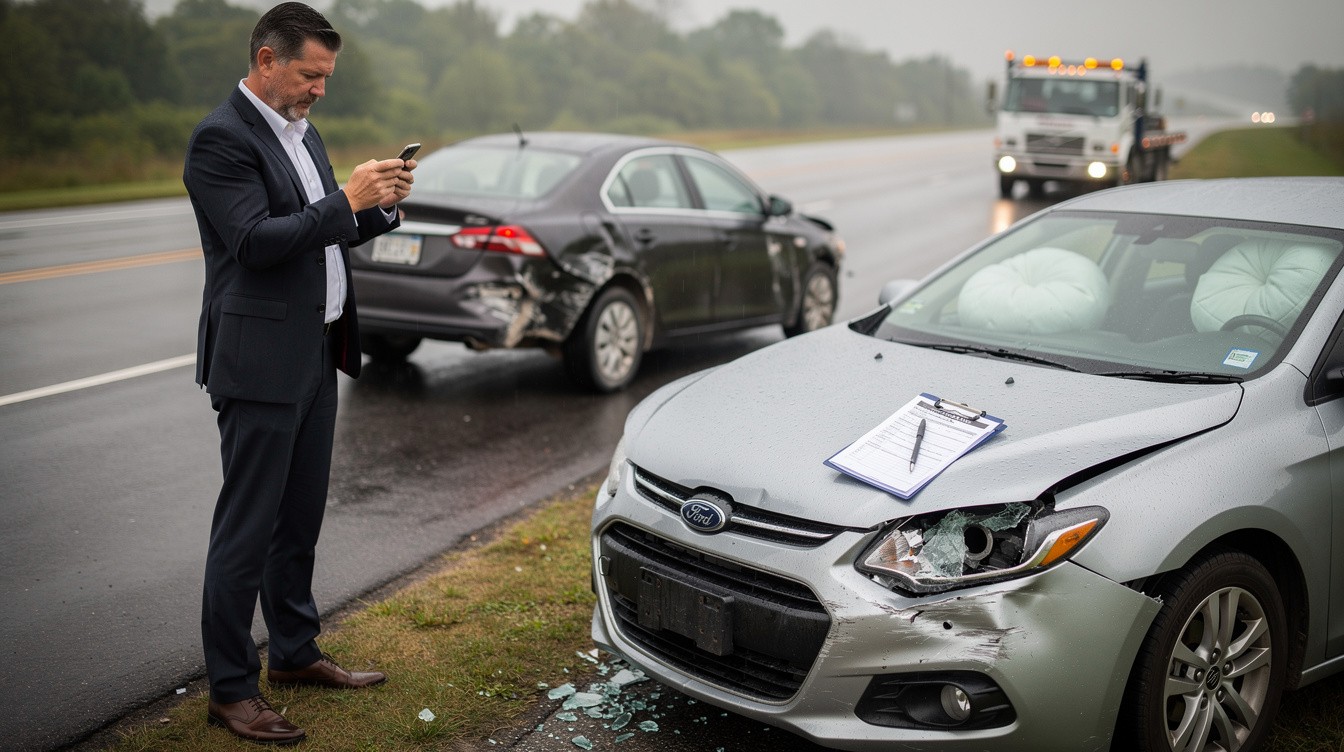
A car crash leaves you with more than just injuries and stress-it leaves you with property damage that needs to be addressed. Whether your vehicle suffered structural damage, your belongings were destroyed, or other property was harmed, you need to know how to recover what you’ve lost.
Property damage claims can be complex, and insurance companies don’t always offer fair valuations on the first try. We at Schaar & Silva LLP have helped countless people in Santa Cruz County, Sacramento, and Oakland navigate this process and get paid what they deserve.
What Counts as Property Damage After a Crash
Vehicle Structural Damage
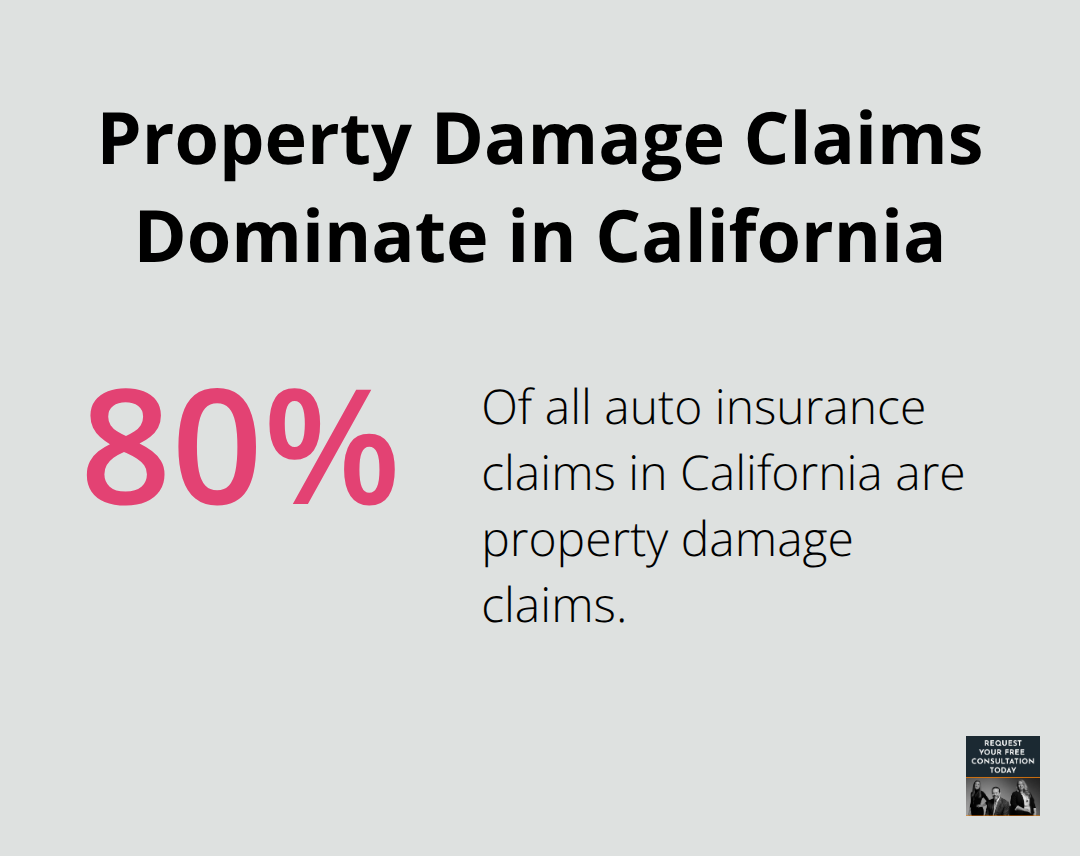
Property damage from a car accident extends far beyond just a dented bumper. The California Department of Insurance reports that property damage claims represent roughly 80% of all auto insurance claims filed in the state, making this one of the most common issues accident victims face. Understanding what qualifies as recoverable damage helps you build a stronger claim and avoid leaving money on the table.
Your vehicle itself is the obvious starting point. Structural damage includes frame bending, crumpled doors, broken windows, and suspension damage. However, many people miss secondary damage that occurs during repair. If your car needs a new transmission because the impact damaged internal components, that’s recoverable. Paint mismatches from repainting also count. The National Highway Traffic Safety Administration found that average vehicle repair costs following moderate accidents range from $3,000 to $7,500, though severe crashes often exceed $15,000.
Getting Accurate Repair Estimates
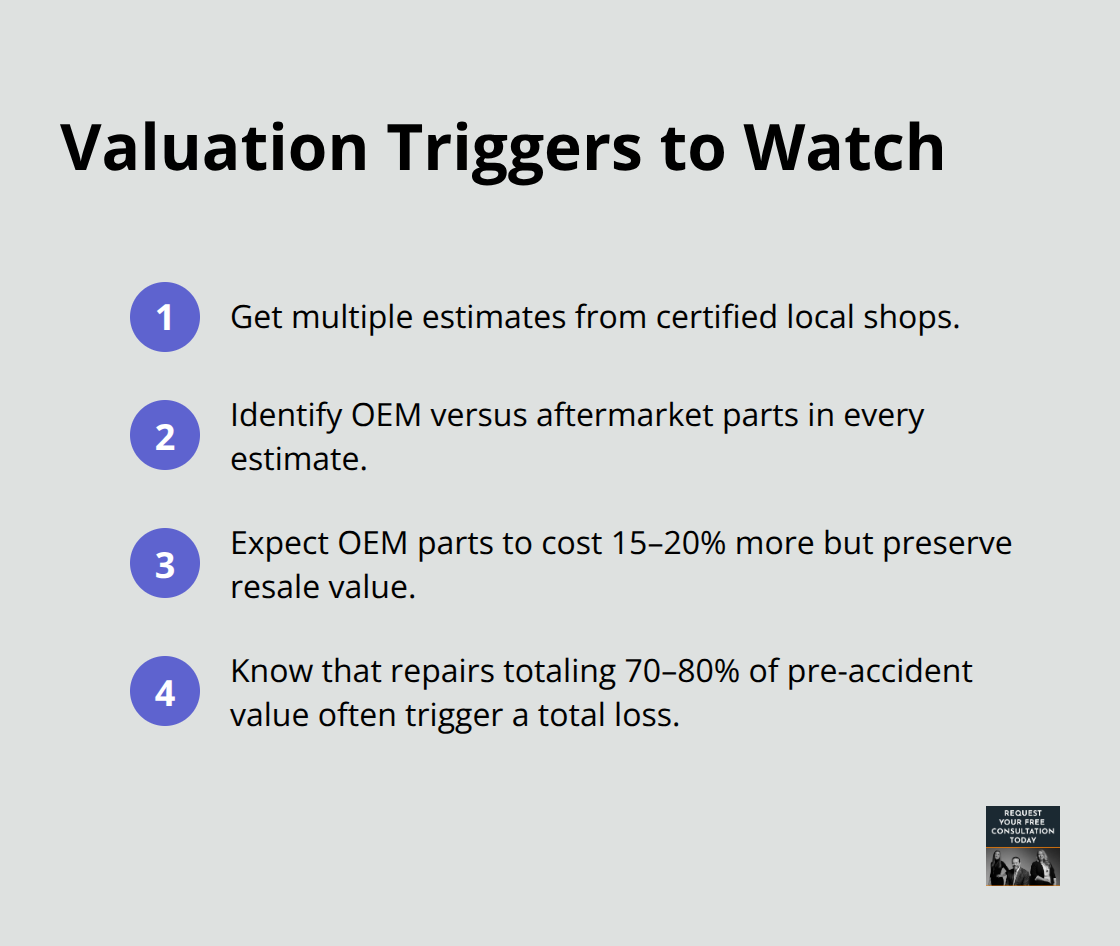
Don’t accept an initial estimate that seems low; get multiple quotes from certified repair shops. Some insurers try to use aftermarket parts instead of original equipment manufacturer parts, which can reduce your vehicle’s value by 10-15%. Push back on this practice, especially if you own a newer vehicle. Insurance adjusters often undervalue property damage on first assessment because they benefit financially when claims remain lower.
Personal Belongings and Other Property
Personal items inside your vehicle also qualify for recovery. Phones, laptops, clothing, tools, and other belongings destroyed in the crash are the insurance company’s responsibility. Many people forget to claim these items because they focus solely on vehicle damage. Create a detailed inventory of what was in your car at the time of impact, including approximate purchase dates and values. If you had expensive equipment or tools, gather receipts or bank statements showing what you paid.
Damage Beyond Your Vehicle
Property damage extends beyond your vehicle too. If the accident damaged someone’s fence, mailbox, storefront, or other structures, those damages are recoverable under the at-fault driver’s liability coverage. Damage to the other vehicle involved in the crash also falls into this category. The challenge here is that responsibility depends entirely on who caused the accident. If you were at fault, your liability coverage pays for the other person’s property damage. If the other driver was at fault, their insurance should cover your losses.
Documentation Protects Your Claim
Photographs taken immediately after the crash, police reports, and witness statements all support your claim and prevent disputes later. Your job is to challenge estimates that don’t reflect actual repair costs or fair market value for your vehicle. When you’re ready to move forward with your claim, knowing how to document and value your losses becomes the foundation for negotiating with insurance companies.
How to Document and Value Your Property Damage
Photograph Everything at the Scene
Photographs taken immediately after the accident form the backbone of your claim. Capture wide shots that show the overall damage, close-ups of specific dents and broken parts, and photos of the accident location itself. Include images of the odometer, vehicle identification number, and license plate to establish ownership and mileage. The insurance adjuster will compare your photos against their own inspection, and detailed documentation prevents them from claiming damage wasn’t as severe as you reported.
Obtain Police Reports and Witness Statements
Police reports matter equally to photographs. Obtain a copy immediately after the accident, as the report establishes the date, location, and often identifies the at-fault party-all of which strengthen your claim significantly. If witnesses were present, collect their contact information and request written statements about what they observed. Insurance companies pay more attention to claims backed by police reports and witness accounts than those without documentation.
Use Professional Valuation Resources
Valuation is where most people lose money. The National Automobile Dealers Association publishes vehicle values based on make, model, year, mileage, and condition, and these figures should form the foundation of your claim. Don’t rely solely on the insurance company’s valuation, which often comes in lower than market reality. Get at least two independent appraisals from certified mechanics or auto body shops in your area.
Compare repair estimates carefully, noting whether they specify original manufacturer parts or cheaper aftermarket alternatives. Original parts typically cost 15-20% more but maintain your vehicle’s resale value better. If the repair cost exceeds 70-80% of your vehicle’s pre-accident value, the insurance company will likely declare it a total loss and offer you the actual cash value.
Challenge Undervalued Total Loss Offers
This is where independent valuations become critical, because insurance companies frequently undervalue totaled vehicles. Use resources like Kelley Blue Book or NADA Guides to cross-reference the company’s offer against current market listings for comparable vehicles in your region. If your vehicle had recent upgrades, newer tires, or low mileage compared to similar models, document these factors to justify a higher valuation.
Push back on any offer that falls below market value, and don’t accept the first settlement if you believe it’s unfair. Insurance adjusters expect negotiation and often have flexibility in their initial offers. When disputes arise over property damage valuations or settlement amounts, the next step involves understanding how insurance companies structure their offers and what tactics they use during negotiations.
How Insurance Companies Calculate Settlement Offers
Understanding How Adjusters Value Your Claim
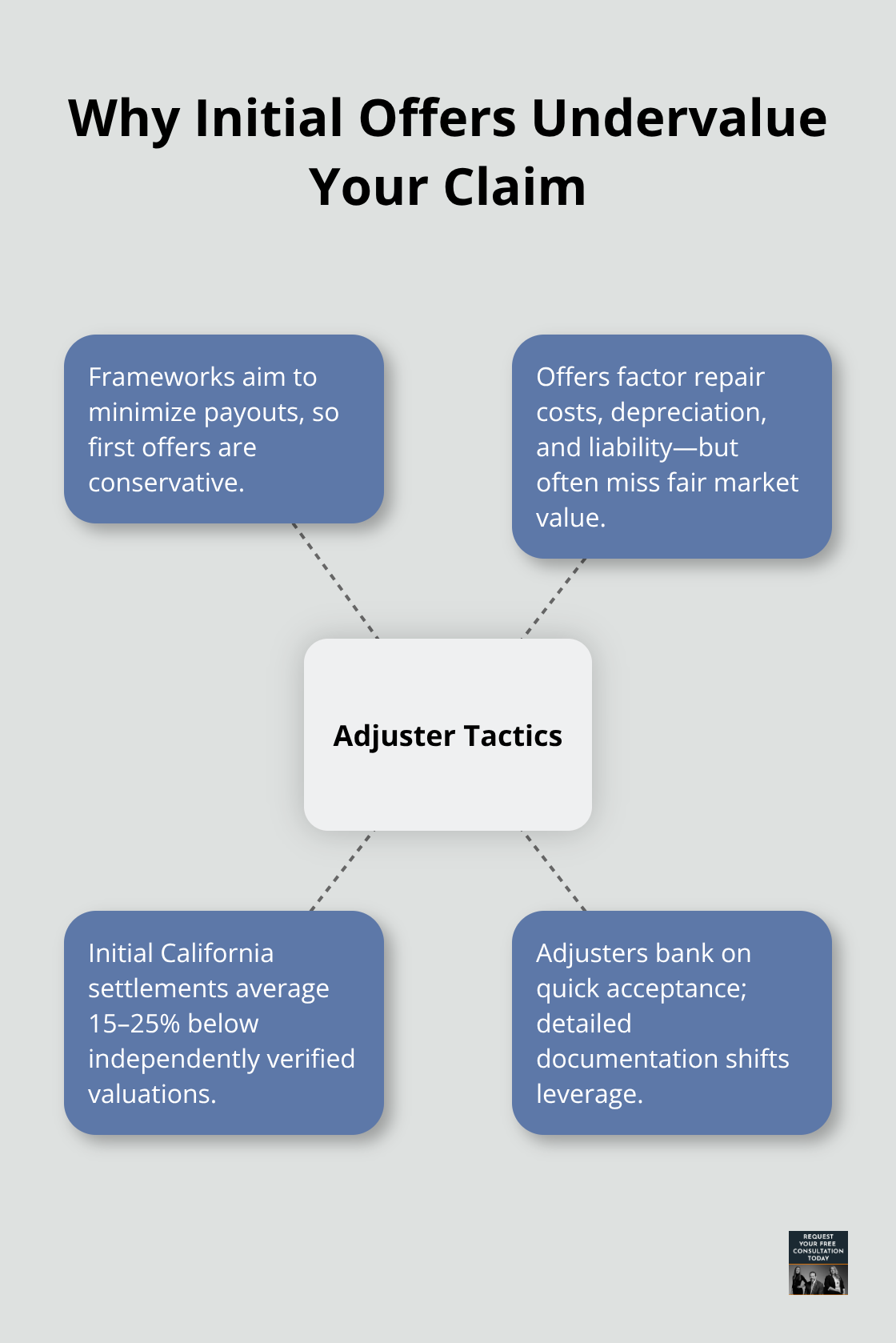
Insurance adjusters operate within frameworks designed to minimize payouts, and understanding their methodology helps you identify when offers fall short of what you deserve. When an adjuster presents a settlement figure, that number reflects their assessment of repair costs, vehicle depreciation, and liability factors-but it rarely reflects fair market value on the first attempt. The Insurance Information Institute reports that the average property damage claim in California settles for amounts 15-25% below independently verified vehicle valuations, meaning most initial offers systematically undervalue your loss. Adjusters know this and count on people accepting quickly without comparison shopping.
Your job is to push back with documentation.
Request the adjuster’s written valuation breakdown showing exactly how they calculated the offer, including the specific repair estimates they used, the depreciation formula they applied, and any deductions they made. If their estimate came from a single repair shop, that’s a red flag-demand quotes from at least two additional shops in your area. When you present competing estimates showing higher repair costs, adjusters frequently increase their offers without requiring formal appeals.
Using Market Data as Your Leverage
Challenging low valuations requires knowing your vehicle’s actual market value before negotiating. Cross-reference the adjuster’s offer against listings on Kelley Blue Book and NADA Guides using your vehicle’s exact year, make, model, mileage, and condition. If comparable vehicles in Santa Cruz County, Sacramento, or Oakland are selling for significantly more than the adjuster’s offer, that discrepancy is your leverage. Document regional market listings with screenshots showing prices and dates, then send these to the adjuster with a formal request for reconsideration. Insurance companies track regional market data, and when you present evidence they cannot dispute, they adjust accordingly.
Protecting Yourself in Total Loss Situations
If the vehicle is declared a total loss, the stakes increase substantially-total loss valuations determine whether you receive fair compensation or face a significant financial gap. Never accept a total loss offer without independent verification. Hire a certified mechanic or auto appraiser to evaluate the vehicle and provide a written assessment of its pre-accident condition and fair market value. This typically costs $300-500 but protects you from accepting an undervalued settlement that leaves you thousands of dollars short when replacing the vehicle.
Building Your Negotiation Strategy
Working with adjusters means understanding that your first conversation sets the tone for all future negotiations. Remain professional and factual rather than emotional or confrontational, because adjusters are more likely to increase offers when they perceive you as informed and reasonable rather than aggressive. Provide documentation systematically, follow up in writing via email so you have records, and establish clear deadlines for their responses. If an adjuster refuses to move after you’ve presented solid evidence of higher market value or repair costs, that resistance often signals you need outside representation to move the claim forward.
Final Thoughts
You’ve now learned how property damage claims work from documentation through negotiation. The path forward requires three concrete actions: gather comprehensive evidence immediately after the accident, obtain multiple independent valuations rather than accepting the insurance company’s first offer, and challenge any settlement that falls below market value using regional pricing data. Most people leave thousands of dollars on the table by accepting initial offers without pushback, but armed with repair estimates, police reports, and market comparisons, you shift the negotiating power in your favor.
The decision to seek legal help depends on your specific situation. If the insurance company refuses to budge after you’ve presented solid documentation, if your property damage claims involve a total loss vehicle, or if you’re facing disputes over liability, that’s when professional representation becomes necessary. We at Schaar & Silva LLP help people throughout Santa Cruz County, Sacramento, and Oakland navigate property damage claims and fight for fair valuations when insurance companies undervalue their losses.
If you need guidance navigating your claim or believe you’re being treated unfairly, contact Schaar & Silva LLP to discuss your options and get clarity on what your property damage claim is actually worth.