
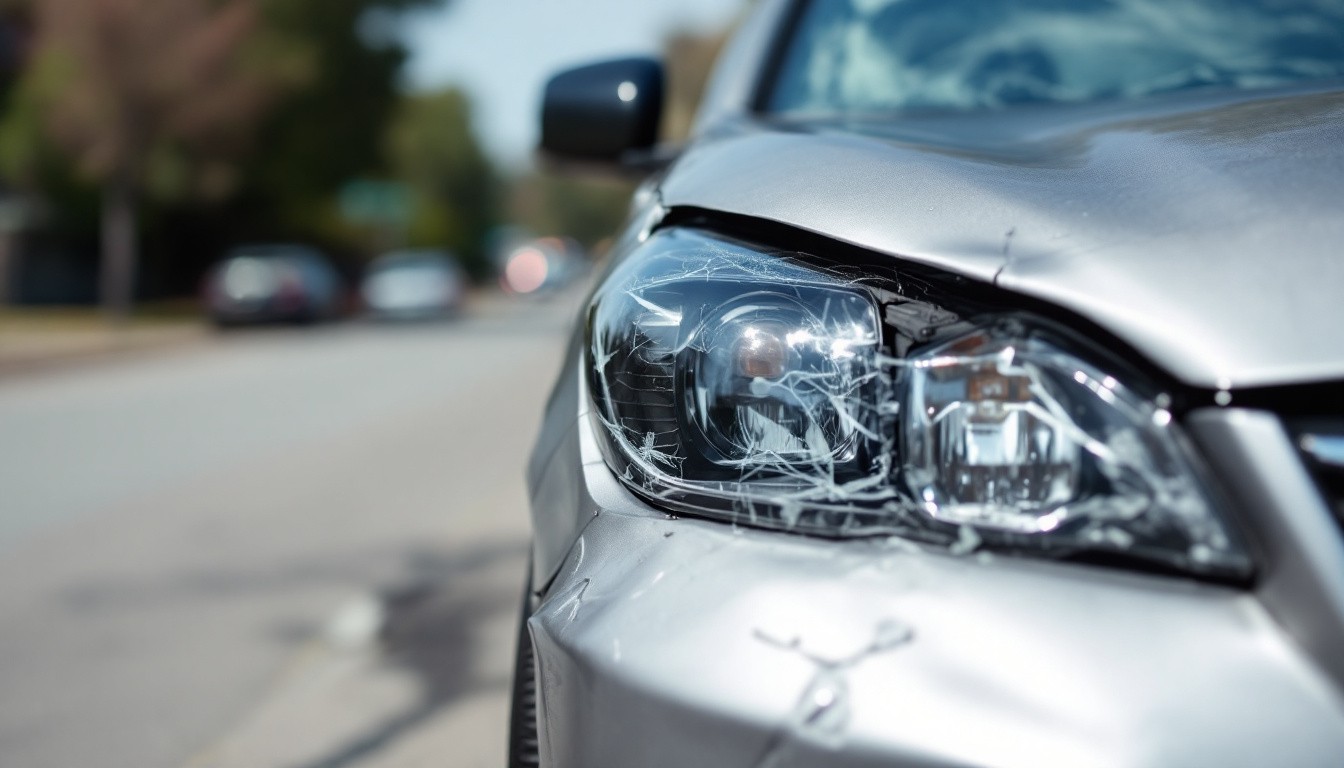
Car accidents affect thousands of drivers across Santa Cruz County every year. Understanding how do car accidents happen can help you stay safer on local roads.
We at Schaar & Silva LLP see the devastating impact these crashes have on families and communities. Most accidents stem from preventable causes that drivers can control through awareness and careful driving habits.
What Causes Most Car Accidents
Distracted Driving Dominates Local Statistics
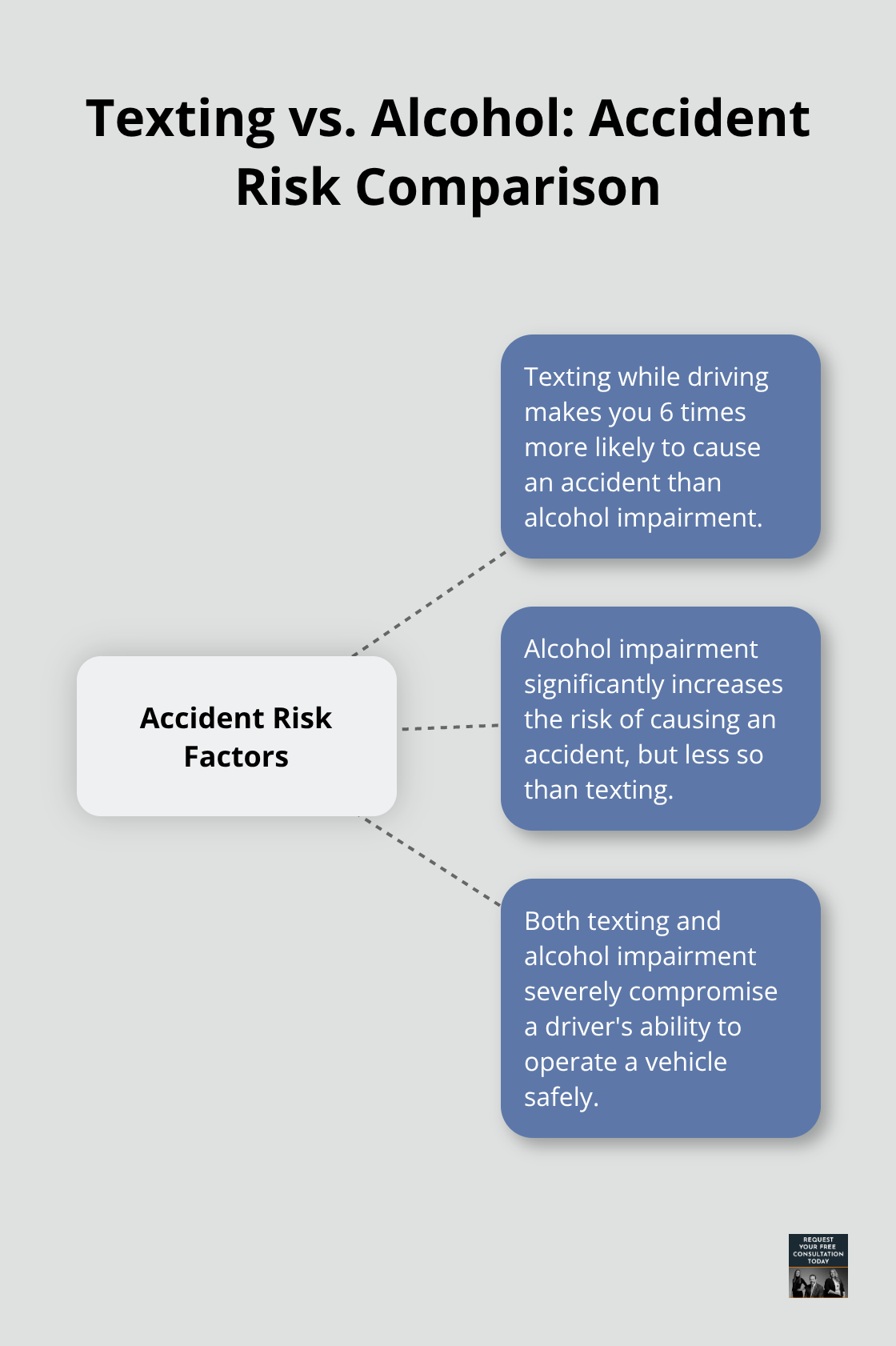
Distracted driving causes approximately 25% of all crashes nationwide according to the National Highway Traffic Safety Administration. Cell phone use creates the most dangerous distraction on Santa Cruz County roads. Texting while you drive makes you 6 times more likely to cause an accident than alcohol impairment (AAA research shows this stark comparison). Even hands-free calls reduce your reaction time by up to 40%, which transforms seemingly safe conversations into hazards on busy routes like Highway 1 and Ocean Street.
Speed Creates Fatal Consequences
Excessive speed contributes to over 30% of traffic fatalities according to NHTSA data. Santa Cruz County’s mountain roads make speed violations particularly deadly on winding routes. Highway 9 and Highway 17 experience frequent speed-related crashes because drivers underestimate curve severity and required stopping distances. At 50 mph, your vehicle needs 125 feet to stop on dry pavement, yet most drivers follow just 2-3 seconds behind other cars. Weather conditions on these routes can double stopping distances and turn minor speed violations into fatal collisions.
Impaired Drivers Threaten Road Safety
More than 35% of fatal car accidents involve intoxicated drivers (Centers for Disease Control and Prevention reports this alarming statistic). Weekend nights in Santa Cruz County see the highest concentration of DUI crashes, particularly along Pacific Avenue and Soquel Avenue where nightlife districts create dangerous conditions. Cannabis impairment has increased significantly since legalization, with THC-related crashes rising 25% statewide. Unlike alcohol, marijuana impairment can persist for hours after use and makes morning commutes surprisingly dangerous for drivers who consumed cannabis the previous night.
Environmental factors and road conditions also play significant roles in accident causation across our local area.
How Do Road Conditions Cause Crashes
Weather Makes Santa Cruz Roads Deadly
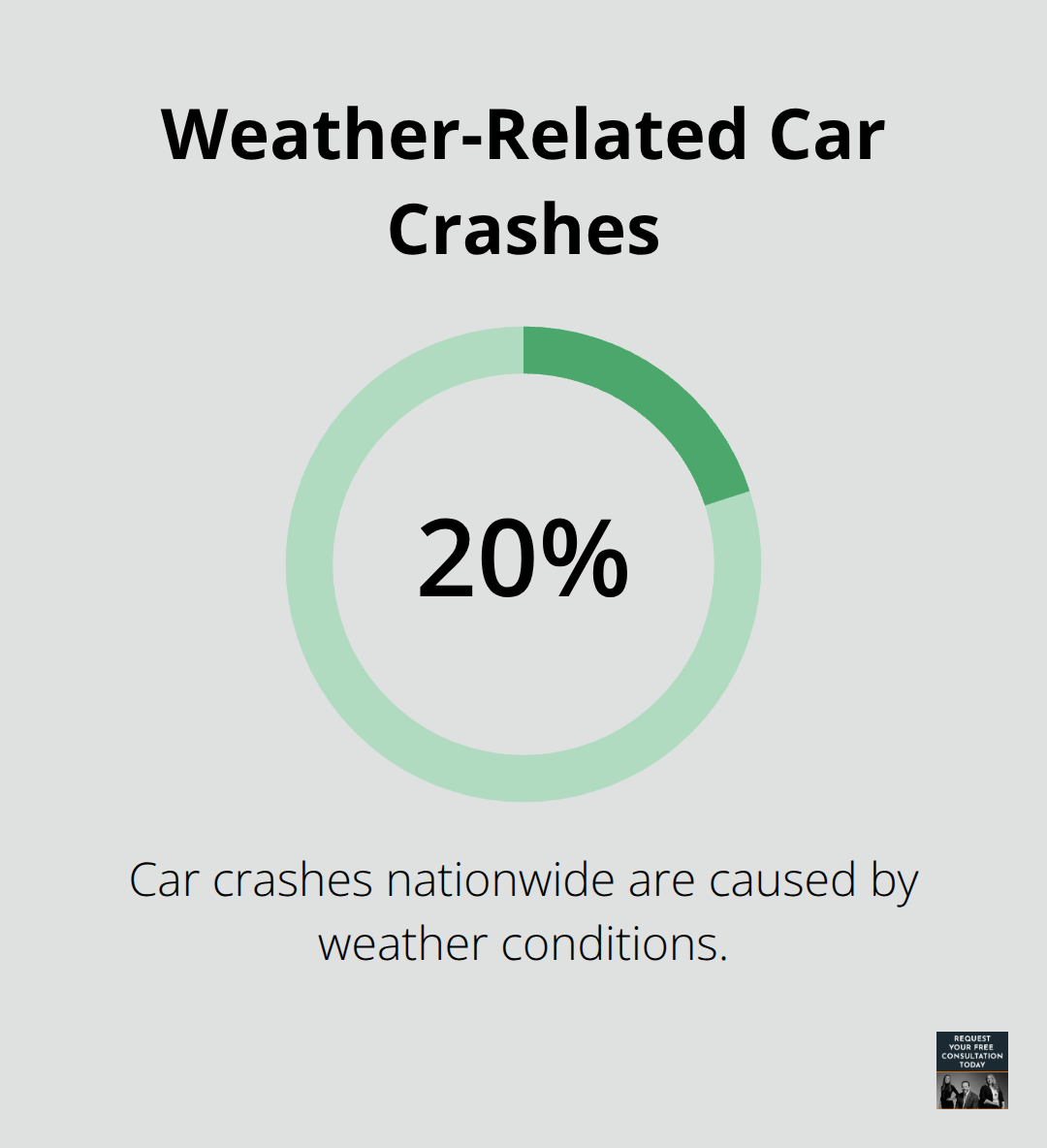
Rain transforms Santa Cruz County’s roads into accident zones within minutes. The Federal Highway Administration reports that weather conditions contribute to nearly 20% of car crashes nationwide, but local conditions make this percentage higher on Highway 1 and mountain routes. The first rain after dry periods creates the most dangerous conditions because oil buildup mixes with water to form slick surfaces.
Highway 17 becomes particularly treacherous during winter storms when visibility drops to less than 50 feet and stopping distances double. Fog along the coast reduces visibility to zero on some mornings, yet drivers continue at normal speeds instead of pulling over safely. Smart drivers reduce speed by 50% when rain begins and increase following distance to 6 seconds minimum.
Construction Zones Create Collision Hotspots
Santa Cruz County’s aging infrastructure creates hazardous conditions that cause preventable crashes. Ocean Street’s ongoing construction projects have increased rear-end collisions by 40% in work zones according to local traffic data. Drivers fail to merge early and speed through narrowed lanes, which creates dangerous bottlenecks.
Work zones force sudden lane changes and create confusion about proper traffic patterns. Construction equipment blocks sight lines and makes it difficult to see oncoming traffic or pedestrians. Orange cones and temporary barriers provide minimal protection when vehicles lose control or drift from their lanes.
Poor Road Maintenance Causes Accidents
Soquel Avenue’s deteriorating pavement and missing lane markers contribute to sideswipe accidents, especially during evening hours when visibility decreases. The National Safety Council reports that poor road conditions contribute to 25% of accidents nationwide (and Santa Cruz County’s deferred maintenance makes local roads particularly dangerous).
Highway 9’s crumbling shoulders force vehicles into traffic lanes unexpectedly. Potholes on residential streets damage vehicles and cause drivers to swerve into oncoming traffic. Signal timing problems at major intersections like Water Street and Ocean Street create confusion and red-light incidents.
Driver behavior and human error compound these environmental hazards to create even more dangerous situations on local roads.
Why Driver Mistakes Cause Most Crashes
Drowsy Drivers Create Deadly Situations
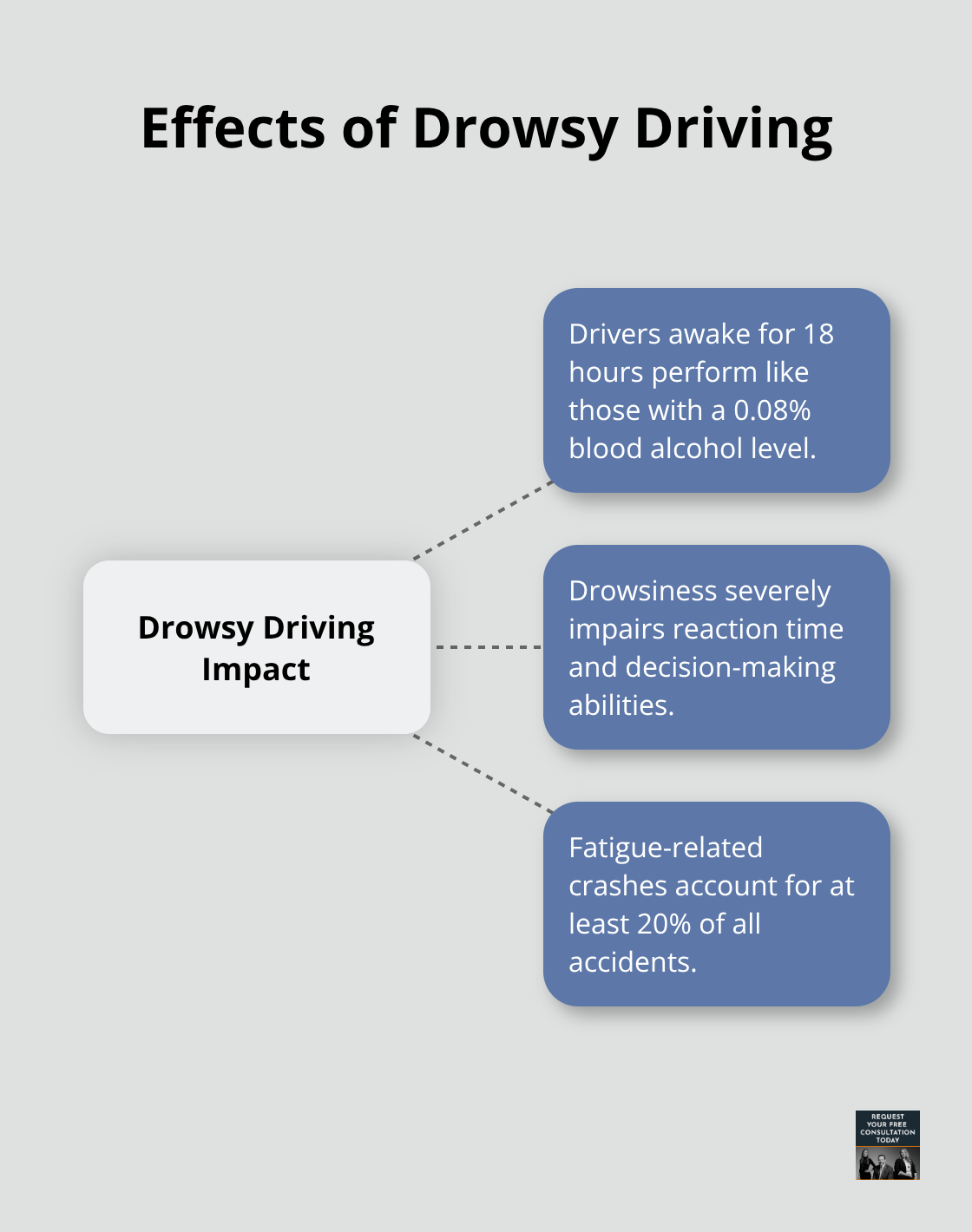
Fatigue-related crashes account for at least 20% of all accidents according to the Centers for Disease Control and Prevention, yet drowsy drivers remain severely underreported on Santa Cruz County roads. Highway 17 commuters who wake before 5 AM face triple the crash risk during evening drives home. The National Sleep Foundation research shows that drivers who stay awake for 18 hours perform like drivers with a blood alcohol level of 0.08%.
Santa Cruz County’s long commutes to Silicon Valley create perfect conditions for drowsy crashes. Morning fog combined with sleep deprivation turns routine drives into disasters when drivers microsleep for 3-4 seconds and drift across lanes. These brief lapses cause vehicles to veer into oncoming traffic or off roadways entirely.
Age and Experience Gaps Create Hazards
Teen drivers aged 16-19 are three times more likely to be involved in fatal crashes than drivers aged 20 and older (according to the Insurance Institute for Highway Safety). Santa Cruz High School area sees frequent crashes when inexperienced drivers misjudge stopping distances and intersection timing. New drivers underestimate the complexity of Pacific Avenue traffic patterns and Highway 1 merge requirements.
Elderly drivers over 75 show increased crash rates due to slower reaction times and medication effects that impair their ability to drive safely. Vision problems and reduced mobility make left turns particularly dangerous for older drivers at busy intersections like Water Street and Soquel Avenue. These age-related challenges require extra caution from all road users.
Tailgaters and Poor Lane Changes Cause Chain Reactions
Drivers who follow too closely cause more than 50% of rear-end collisions, with most drivers who maintain just 2-3 seconds of distance instead of the required 4-6 seconds. Highway 1 traffic creates dangerous situations where one sudden stop triggers multi-vehicle crashes. Lane departure crashes make up over 50% of fatal highway accidents according to NHTSA data.
Drivers change lanes without checking blind spots or fail to signal properly, which creates sideswipe accidents on Ocean Street and Soquel Avenue. Improper merges onto Highway 17 from local streets cause frequent crashes when drivers misjudge gaps in traffic flow and force their way into insufficient spaces.
Final Thoughts
Understanding how car accidents happen gives Santa Cruz County drivers the knowledge to prevent crashes on local roads. Distracted drivers, speeders, and impaired motorists cause the majority of accidents, while weather conditions and poor road maintenance create additional hazards. Human error through fatigue, inexperience, and aggressive behaviors compounds these risks.
Safe drivers save lives and prevent injuries through proper habits. Drivers who maintain proper distances, avoid phone use, and adjust speed for conditions reduce their crash risk significantly. Weather awareness and defensive techniques protect you from other drivers’ mistakes.
When accidents occur despite your best efforts, legal help becomes necessary. We at Schaar & Silva LLP provide dedicated client service and handle the legal complexities while you focus on recovery. Our team assists with medical bills, property damage claims, and connects you with support when needed (years of personal injury experience in Santa Cruz County help us navigate your case effectively and fight for fair compensation).
