

A back injury from a car crash can change your life in seconds. Pain, limited mobility, and mounting medical bills create stress that extends far beyond the accident itself.
At Schaar & Silva LLP, we help accident victims in Santa Cruz County, Sacramento, and Oakland understand their rights and recover the compensation they deserve. This guide walks you through the medical care you need and the legal steps that protect your future.
What to Do Immediately After Your Back Injury
Seek Medical Attention Without Delay
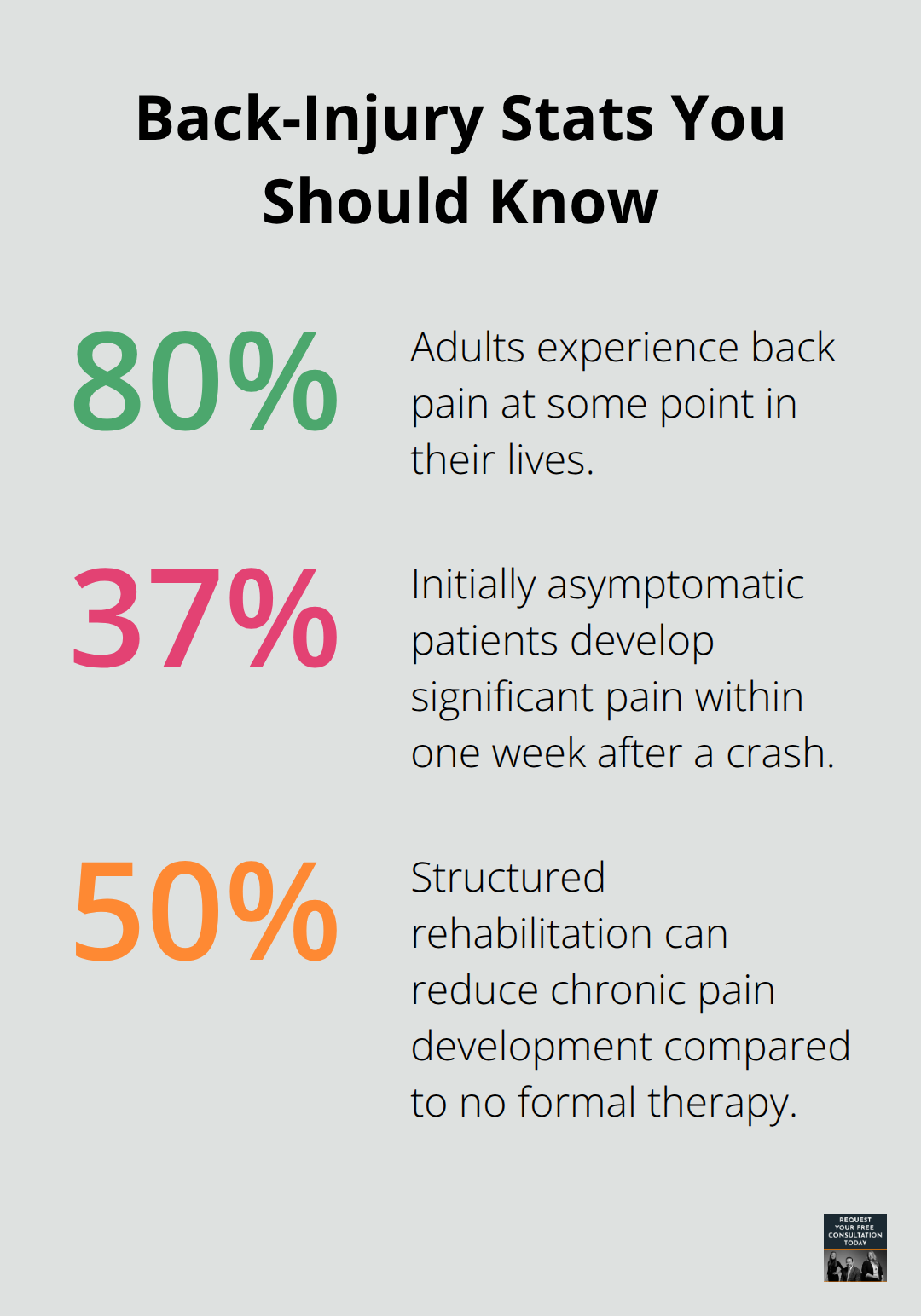
The first hours after a car crash matter enormously for your health and your legal case. Many people make decisions during this time that significantly impact their recovery and their ability to recover compensation later. Medical attention cannot wait, even if you feel fine. Back injuries often remain silent for hours or days after the accident. The American Academy of Orthopaedic Surgeons reports that approximately 80% of adults experience back pain at some point, and car accidents rank among the leading causes of acute back injuries that can develop into chronic conditions.
When you arrive at the emergency room or urgent care, tell the medical staff about all areas of pain, no matter how minor they seem. Request imaging studies like X-rays or MRI scans if the doctor recommends them. This documentation becomes evidence later if you need to file a claim. Keep every medical record, receipt, and report from this visit. Medical providers will reference this initial evaluation throughout your treatment, and insurance companies will scrutinize it to understand the severity of your injury.
Document the Accident Scene and Your Injuries
What happened at the accident scene protects your case significantly. Take photos of vehicle damage, road conditions, traffic signs, and your injuries if you can do so safely. Write down the date, time, location, weather conditions, and names of witnesses while details remain fresh in your mind.
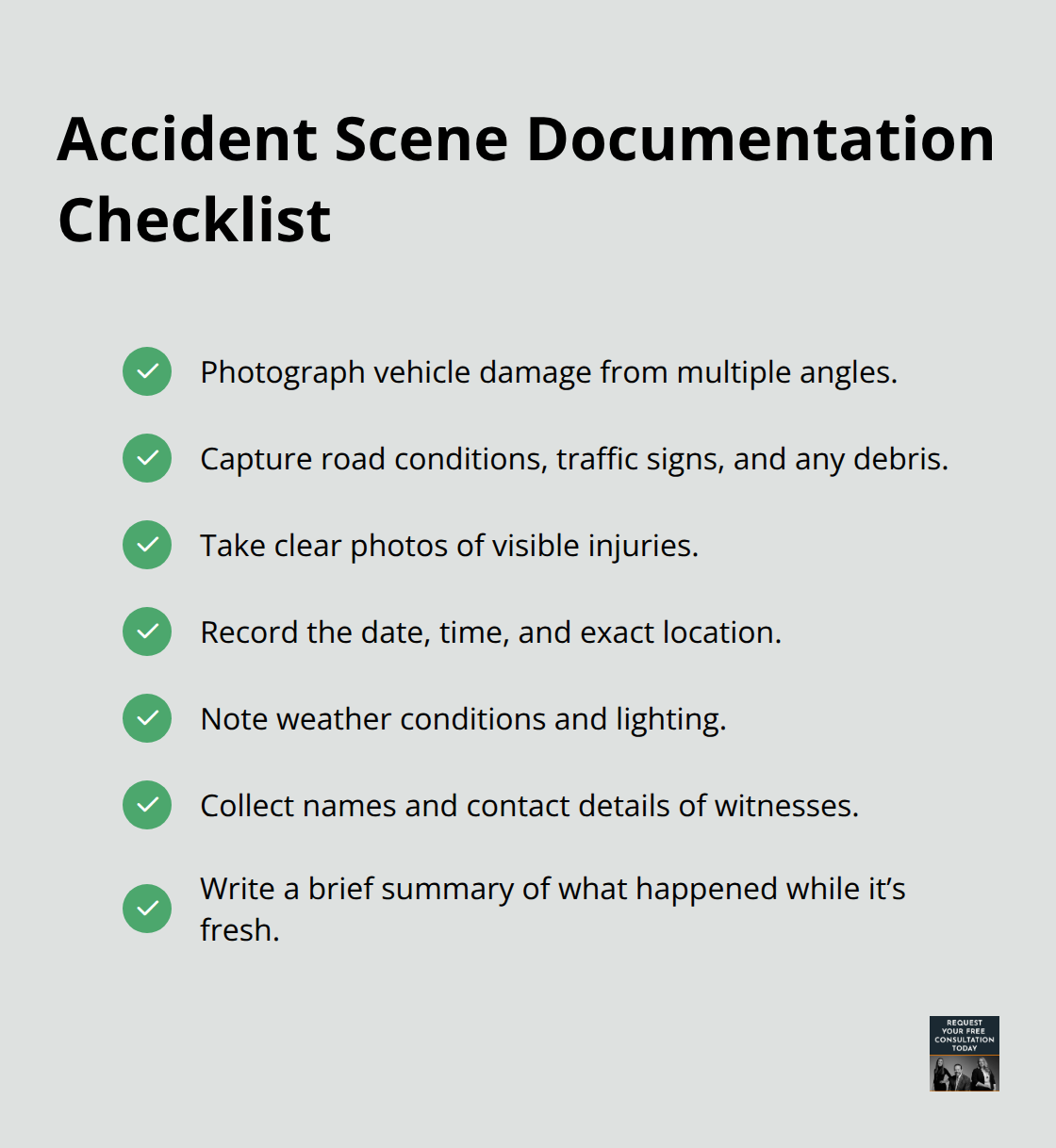
Photographs and witness statements create a factual record that supports your account of events. These details matter when insurance companies and legal teams review your claim months later.
Report the Accident Correctly
Report the accident to your insurance company promptly, but stick to factual information about what happened without admitting fault or speculating about injuries. Insurance companies record these calls, and anything you say can be used against you later. When speaking with the other driver’s insurance company, provide only basic information about the accident itself. Do not discuss your injuries, treatment, or how you’re feeling.
If you face significant medical bills or feel unclear about your next steps, we can direct you to medical lien services that help manage your expenses while your case progresses. Understanding your insurance coverage and your rights under California law sets the foundation for what comes next.
Understanding Back Injuries From Car Accidents
Car accidents produce specific types of back injuries that don’t always appear immediately. Whiplash-associated disorders affect the cervical spine and create pain that can take days or even weeks to develop fully. Lumbar strain injuries damage the lower back muscles and ligaments, and these injuries frequently worsen over the first 72 hours as inflammation increases. Herniated discs occur when the soft material inside spinal discs ruptures or bulges outward, pressing on nerves and causing radiating pain down your legs or arms. Fractures of the vertebrae represent the most serious category, though they don’t always cause immediate pain if the fracture remains stable. The National Highway Traffic Safety Administration reports that approximately 2.7 million rear-end collisions happen annually in the United States, and these collisions produce some of the highest rates of back injury claims. Understanding which type of injury you sustained matters because treatment approaches differ significantly, and your recovery timeline depends on accurate diagnosis.
Pain That Appears Days After the Accident
Many accident victims feel relatively fine on the day of the crash, then wake up the next morning unable to move. This delayed pain response happens because adrenaline masks injury signals during the accident, and inflammation develops gradually over the following hours. Muscle soreness peaks around 24 to 48 hours after the injury, a condition called delayed-onset muscle soreness. Nerve pain and radiating symptoms often take three to seven days to become noticeable as swelling compresses nerve roots. If you experience new pain, numbness, tingling, weakness, or loss of bladder or bowel control after your accident, contact your doctor immediately because these symptoms indicate serious spinal involvement. The Journal of Emergency Medicine found that 37% of patients who initially reported no symptoms developed significant pain within one week of their accident. This reality means your initial medical evaluation provides only a partial picture, and ongoing medical monitoring catches injuries that emerge later.
Chronic Problems From Back Injuries
Back injuries from car accidents frequently transition into chronic conditions that affect your ability to work and enjoy daily activities. Chronic pain develops in approximately 30% to 40% of people who sustain moderate to severe back injuries, according to research published in the Spine Journal. Persistent pain interferes with sleep quality, reduces work productivity, and increases depression and anxiety rates among injured individuals. Some accident victims develop permanent nerve damage that creates ongoing numbness or weakness in their legs or feet. Degenerative disc disease accelerates after traumatic injury, meaning your discs break down faster than they would through normal aging. Reduced mobility and strength losses compound over time if you don’t engage in proper rehabilitation, making everyday tasks increasingly difficult. These long-term consequences mean your claim should account for future medical costs, lost earning capacity, and reduced quality of life-not just immediate treatment expenses. Understanding what happens to your body after a car crash sets the stage for the medical care decisions you’ll face next.
Medical Care and Legal Rights for Back Injury Victims
Building Your Medical Team
Your recovery depends on the right medical team and the right legal guidance working together. Start by building a relationship with a primary care physician who will coordinate your entire treatment plan, because fragmented care leads to missed diagnoses and weaker legal claims. Request that your doctor document the accident’s connection to your injuries in every medical record. Insurance companies scrutinize claims where the medical documentation fails to establish a clear link between the crash and your symptoms.
Many accident victims see multiple specialists without anyone overseeing the complete picture, which creates gaps in treatment and expensive care. Ask your doctor to refer you to a physical therapist who handles post-accident rehabilitation. Structured rehabilitation reduces chronic pain development by up to 50% compared to no formal therapy. Your medical providers should communicate with each other about your progress. If your orthopedic surgeon and physical therapist operate independently without sharing information, your treatment becomes inefficient and costly.
Request copies of all medical records monthly and review them for accuracy. Insurance companies exploit inconsistencies or gaps in documentation to reduce claim values.
Documentation That Protects Your Claim
Medical records create the foundation of your legal case. Each visit, test result, and treatment note becomes evidence that supports your compensation claim. Your doctors must connect your current symptoms to the accident that caused them-this link matters more than you might think. Insurance adjusters will question any gap between your accident date and when you first sought treatment, so prompt medical attention protects both your health and your legal position.
Document every expense related to your injury including transportation to appointments, medications, and modifications to your home for accessibility. Keep receipts, invoices, and billing statements organized in one place. These records demonstrate the financial impact of your injury and support your demand for fair compensation.
Understanding Insurance Claims for Back Injuries
Insurance claims for back injuries require precision in every step. Report your claim within the timeframe specified in your policy, typically within 30 days of the accident. Provide detailed descriptions of how the accident occurred and your resulting injuries, but never admit fault or agree to recorded statements without legal guidance. California follows a pure comparative negligence rule, meaning you can recover compensation even if you share partial fault, but statements you make can be used to increase the percentage of fault assigned to you.
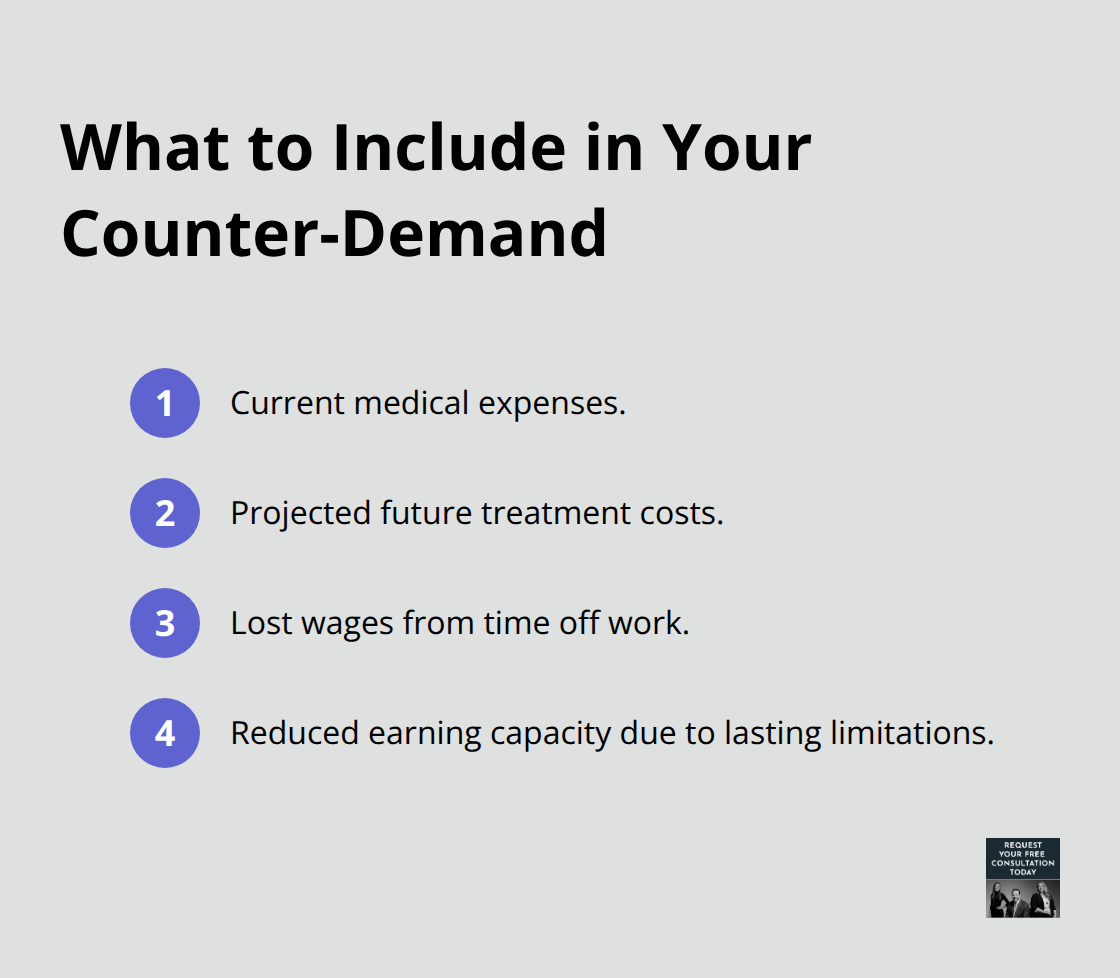
When the insurance adjuster offers a settlement, understand that first offers average 25% to 40% below what your claim is actually worth according to the Insurance Information Institute. Do not accept this initial offer. Counter with a demand that accounts for current medical expenses, projected future treatment costs, lost wages, and reduced earning capacity.
Calculating Fair Compensation
If you sustained a significant back injury with ongoing treatment needs, the compensation calculation should reflect years of future medical care, not just current bills. Insurance companies often underestimate long-term costs because they want to close claims quickly and inexpensively. Your demand should include all direct costs (medical treatment, therapy, medications) and indirect costs (lost income, reduced earning capacity, diminished quality of life).
The complexity of back injury claims means many accident victims benefit from legal guidance when negotiating with insurance companies. At Schaar & Silva LLP, we serve Santa Cruz County and help accident victims understand their insurance rights and fight for fair settlements that account for the full scope of your injury.
Final Thoughts
A back injury car crash demands immediate action on two fronts: your medical recovery and your legal protection. The steps you take in the first days after your accident shape both your healing trajectory and your ability to recover fair compensation. Seeking medical attention without delay, documenting everything at the scene, and reporting the accident correctly create a foundation that supports your case months down the road.
Your medical team should work together to diagnose your injury accurately and monitor for complications that emerge over time. Back pain that develops days after the crash is common and expected, not a sign that something went wrong. Chronic conditions develop in roughly one-third of people with moderate to severe back injuries, which means your compensation claim must account for years of future treatment, not just immediate bills.
Insurance companies count on accident victims accepting inadequate settlements because they feel overwhelmed and uncertain about their rights. First settlement offers typically fall 25 to 40 percent below what your claim is actually worth. We at Schaar & Silva LLP serve Santa Cruz County, Sacramento, and Oakland, helping accident victims navigate insurance claims and fight for compensation that reflects the true impact of their injuries-contact us to discuss your back injury car crash claim and understand what your case is worth.