
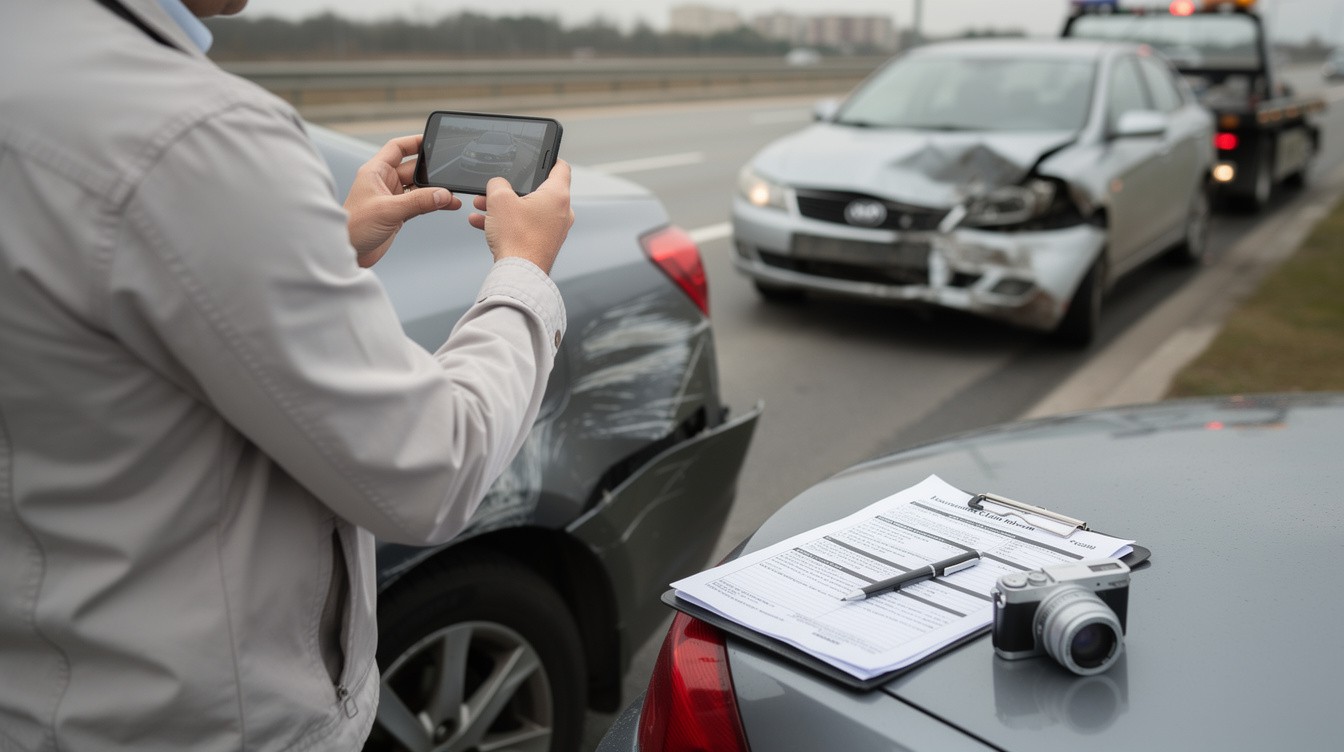
A car accident in Santa Cruz County leaves you facing repair bills, insurance paperwork, and uncertainty about what comes next. Property claims in Santa Cruz can feel overwhelming, especially when you’re dealing with vehicle damage and trying to understand your coverage.
We at Schaar & Silva LLP have helped countless accident victims navigate this process and recover fair compensation for their vehicles. This guide walks you through each step, from initial documentation to negotiating with adjusters.
Understanding Vehicle Damage Assessment in Santa Cruz
Types of Vehicle Damage Covered by Insurance
Insurance policies in California cover two main categories of vehicle damage: collision and comprehensive. Collision covers damage from impact with another vehicle or object, while comprehensive handles theft, weather, vandalism, and other non-collision events. Most Santa Cruz accident victims deal with collision claims, but your specific policy determines what you actually recover.
Your deductible-typically $500 to $1,000-reduces any claim payout. A vehicle worth $8,000 with $1,000 in damage and a $500 deductible nets you $500 after the adjuster’s assessment. Many people mistakenly believe their insurance covers every repair, when reality depends entirely on your coverage limits and policy language.
Read your declarations page carefully; it shows exactly what you’re covered for and at what amount. California doesn’t require comprehensive or collision coverage-only liability-so uninsured drivers face major problems after accidents.
How Adjusters Evaluate Your Vehicle Damage
Insurance adjusters evaluate damage through photos, in-person inspections, and repair estimates from body shops. The adjuster uses market data to determine your vehicle’s actual cash value, which differs from what you paid for it. If your car is worth $10,000 but repairs cost $11,000, you’re dealing with a total loss, and the insurer pays the actual cash value minus your deductible.
The adjuster’s assessment process takes time, so don’t rush to accept the first offer. Request a detailed breakdown of how they calculated the value before you sign anything.
Common Mistakes That Reduce Your Claim
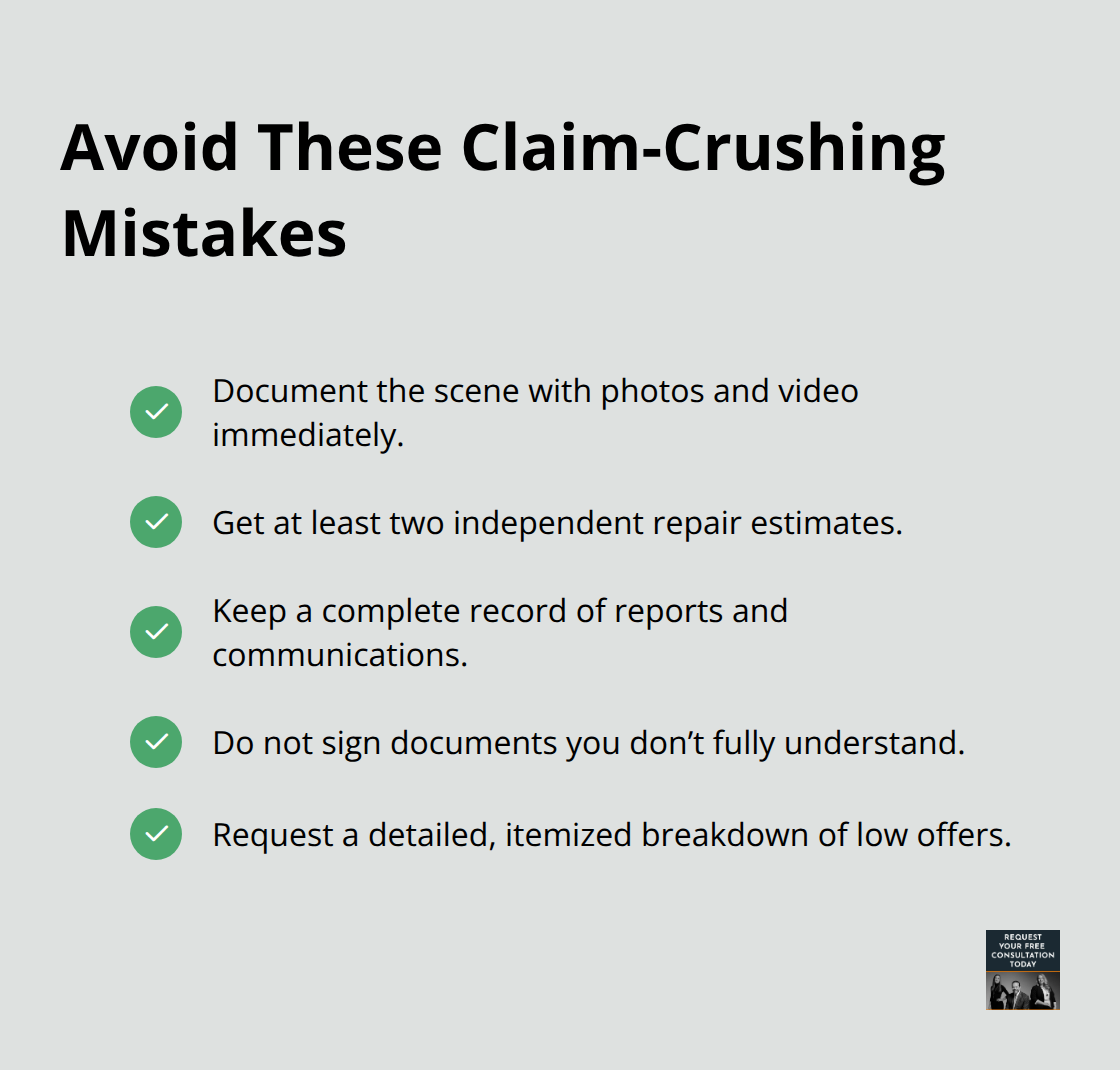
Many Santa Cruz residents make critical mistakes during this process: they fail to document the scene with photos and video, accept the first adjuster estimate without question, or skip independent repair quotes. You should obtain at least two estimates from reputable shops in Santa Cruz County and compare them to the adjuster’s numbers.
Keep records of everything-photos of damage, the police report number, medical records if injured, and all communications with the insurance company. Don’t sign anything until you understand it completely. When the offered amount feels low, request a detailed breakdown and consider independent valuations for substantial totals (adjusters sometimes undervalue vehicles to minimize payouts).
The next step involves working directly with your insurance adjuster to move your claim forward and protect your interests throughout the process.
The Property Damage Claims Process
Act Quickly After Your Accident
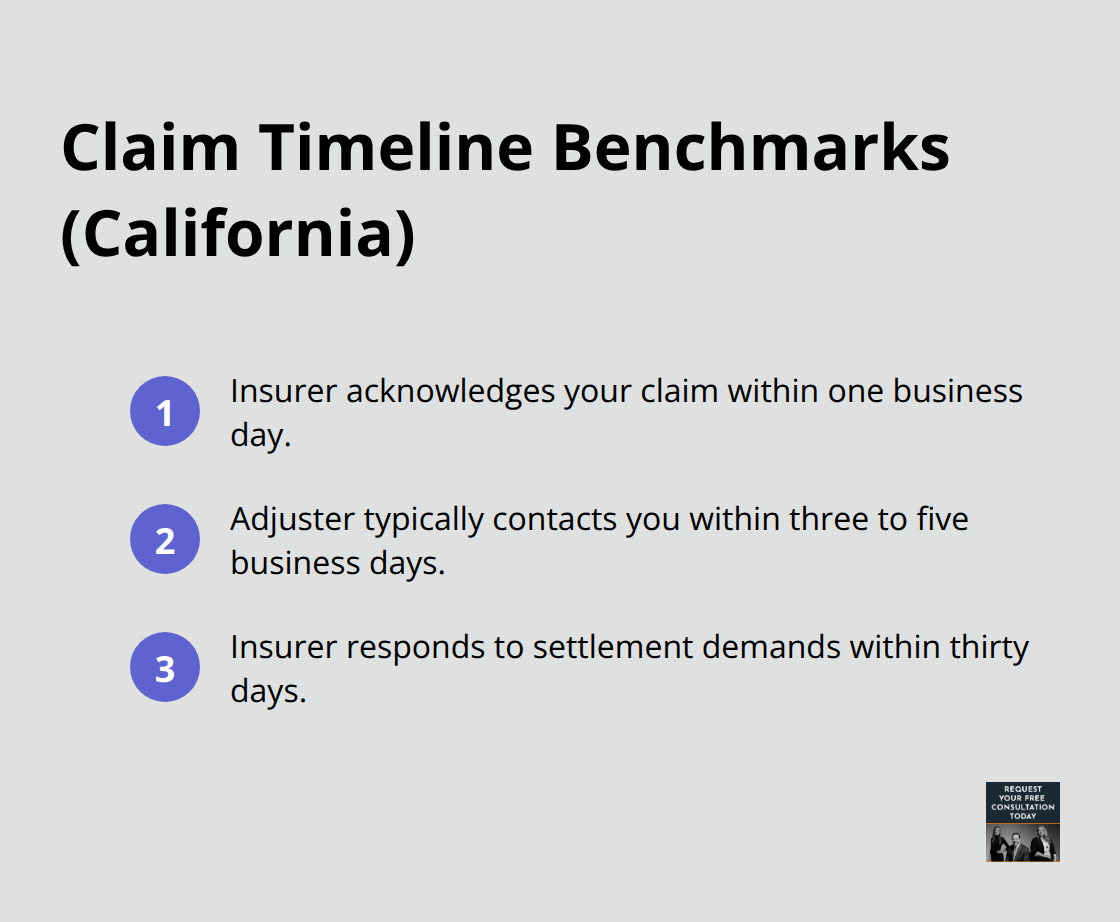
The first 24 to 48 hours after an accident determine your entire claim’s trajectory. Contact your insurance company immediately, even if you’re unsure about damage extent. California law requires insurers to acknowledge claims within one business day according to the Department of Insurance. Provide your policy number, accident date, location, and a brief description of what happened. Don’t speculate about fault or admit responsibility for anything. Stick to facts: what time the accident occurred, weather conditions, vehicle positions, and any injuries. If police responded, obtain the report number and officer’s name. Take photos of vehicle damage from multiple angles, the accident scene, road conditions, and other vehicles involved. Photos taken within hours of impact carry more weight than those taken days later because they show immediate damage without question marks about timing.
Prepare for the Adjuster’s Contact
Insurance adjusters typically contact you within three to five business days. Treat this conversation as formal and official. Adjusters are trained to minimize payouts, so answer only what they ask without volunteering extra information.
Provide the accident details you’ve already documented but don’t discuss medical treatment, injuries, or pain unless directly asked. Never agree to a recorded statement without understanding your rights first. Many adjusters request recorded statements as standard practice, and anything you say can be used against you if your claim becomes disputed.
Schedule the Inspection Strategically
Schedule the adjuster’s vehicle inspection at a reputable collision repair shop in Santa Cruz County rather than at your home or a parking lot. Repair shops have proper lighting and equipment to document damage accurately, and their technicians can answer technical questions the adjuster raises. This location choice protects your interests and creates a professional record of the damage assessment.
Obtain Independent Estimates and Push Back
Get a written estimate from at least two independent shops before accepting the adjuster’s valuation. If the adjuster’s offer falls significantly below independent estimates, request an itemized breakdown showing labor rates, parts costs, and depreciation calculations. For vehicles worth more than $5,000 with damage exceeding $3,000, the difference between estimates matters substantially. When offers don’t align with your documentation, push back with specific numbers from reputable shops rather than emotional arguments about the vehicle’s value to you personally.
Know When to Seek Legal Guidance
If negotiations stall or the offered amount remains far below your independent estimates, legal representation becomes valuable. An attorney can review your property rights and policy, challenge low valuations, and handle communications with insurers on your behalf, allowing you to focus on recovery while the legal details are managed.
How to Build a Stronger Claim and Know When to Get Help
Document Everything Thoroughly
Documentation separates weak claims from strong ones, and most Santa Cruz accident victims under-document their situations. Photograph your vehicle from at least six angles covering front, rear, sides, and close-ups of each damaged area. Include photos of the accident scene showing road conditions, traffic signals, debris, and vehicle positions. Take timestamped photos immediately after the accident and again when you retrieve your vehicle from the repair shop. Insurance companies in California receive approximately 1.2 million property damage claims annually according to the National Association of Insurance Commissioners, and adjusters spend an average of two hours per claim. Your documentation directly counters their tendency to rush assessments.
Save every receipt related to the accident including towing costs, rental vehicle expenses, and temporary repairs. Keep your police report number, witness contact information, and all written communications with your insurance company in a single folder you can access quickly. Text messages and emails to your insurer create a written record that protects you if disputes arise later.
Request Detailed Breakdowns from Adjusters
Request the adjuster’s estimate in writing rather than accepting verbal valuations, and demand itemized breakdowns showing labor rates per hour, parts costs, and how they calculated your vehicle’s actual cash value. If the shop quoted $7,500 in repairs but the adjuster offered $6,200, ask them to explain the $1,300 difference with specific line items. Most adjusters will adjust their offers when confronted with detailed documentation showing discrepancies.
Understand Your Coverage Limits
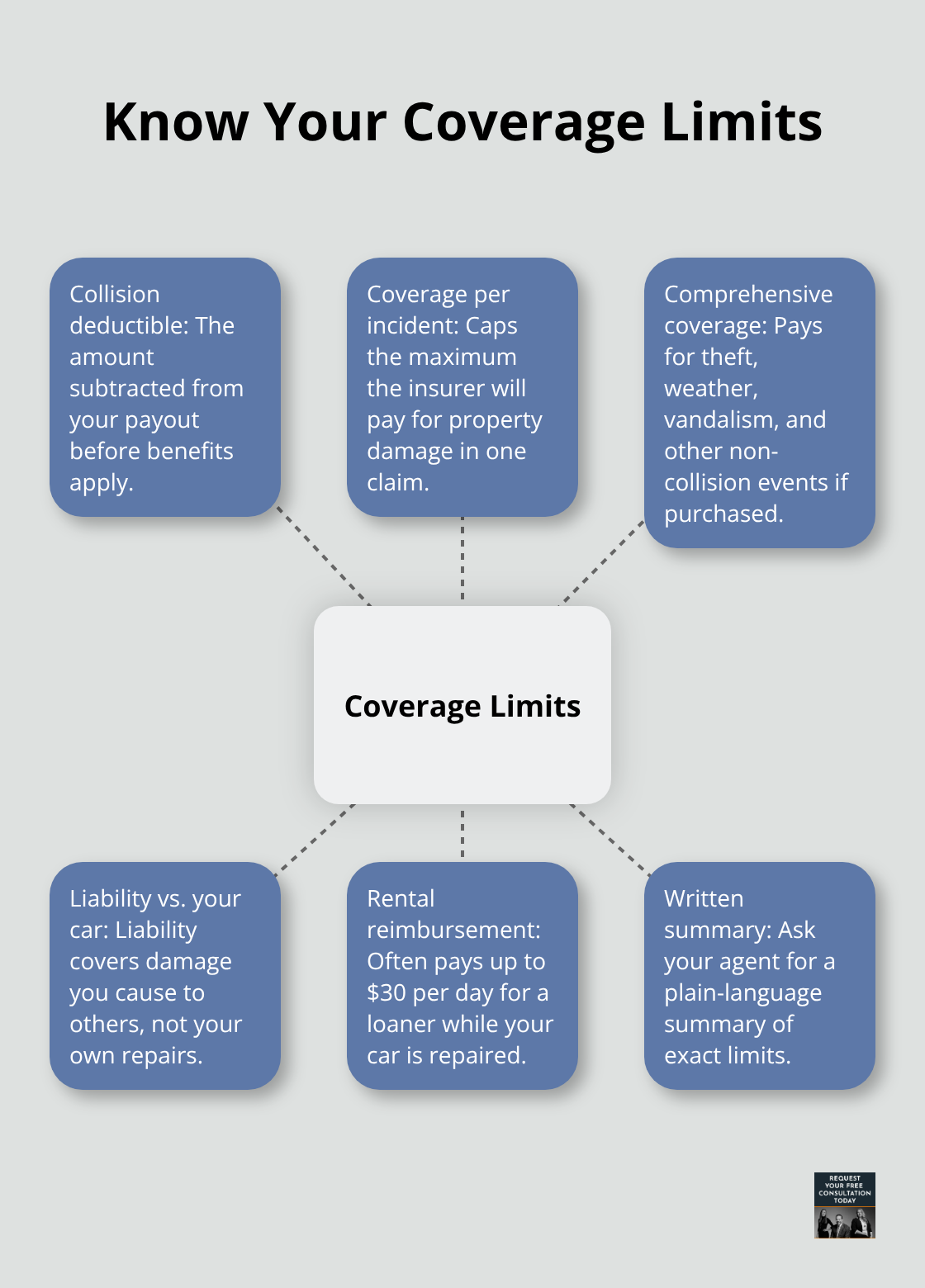
Your policy’s coverage limits determine your maximum recovery, so understanding these numbers prevents disappointment when claims are settled. Review your declarations page for your collision deductible, coverage limits per incident, and whether you carry comprehensive coverage. A Santa Cruz resident with a $250,000 property damage liability limit might assume that covers their vehicle, but that limit applies to damage you cause to others, not your own repairs. Your collision coverage limit is what actually pays for your vehicle’s damage.
If your policy limits are lower than your repair costs, you’ll need to cover the difference yourself unless the other driver was at fault and their insurance covers it. Contact your insurance agent and request a written summary of your exact coverage limits in plain language. Many policies include rental reimbursement coverage that pays for a loaner vehicle while yours is repaired (typically up to $30 per day). Verify whether you have this coverage and use it if available.
Recognize When Legal Help Matters
Legal representation becomes necessary when adjusters refuse reasonable settlement offers or when damage valuations fall significantly below independent estimates. An attorney reviews whether the insurance company followed California’s claim handling rules, which require insurers to acknowledge claims within one business day and respond to settlement demands within thirty days. If your insurer misses these deadlines or acts in bad faith, you may have grounds for additional compensation beyond your policy limits.
We at Schaar & Silva LLP can evaluate your claim and advise whether the offered amount reflects fair market value for your vehicle. Contact us if negotiations stall or the insurance company denies coverage for damage you believe should be covered.
Final Thoughts
Property claims in Santa Cruz require documentation, persistence, and understanding of your policy limits. The steps outlined in this guide-photographing damage immediately, obtaining independent estimates, requesting itemized breakdowns from adjusters, and pushing back on low offers-directly impact what you recover for your vehicle. Most Santa Cruz accident victims settle for less than fair value because they accept the first adjuster estimate without question or fail to document their damage thoroughly.
If you haven’t contacted your insurance company yet, contact them today and provide only factual information about the accident. If you’re already in negotiations and the offered amount feels low, request a detailed written breakdown and compare it against independent repair estimates from reputable shops in Santa Cruz County. If the insurance company continues refusing reasonable settlement offers or denies coverage you believe you’re entitled to, legal representation strengthens your position.
We at Schaar & Silva LLP help accident victims evaluate property claims Santa Cruz and challenge low valuations from insurance companies. Our team reviews whether adjusters followed California’s claim handling rules and whether the offered amount reflects fair market value for your vehicle. Contact Schaar & Silva LLP to discuss your claim and determine whether legal assistance protects your interests with the insurance company.