
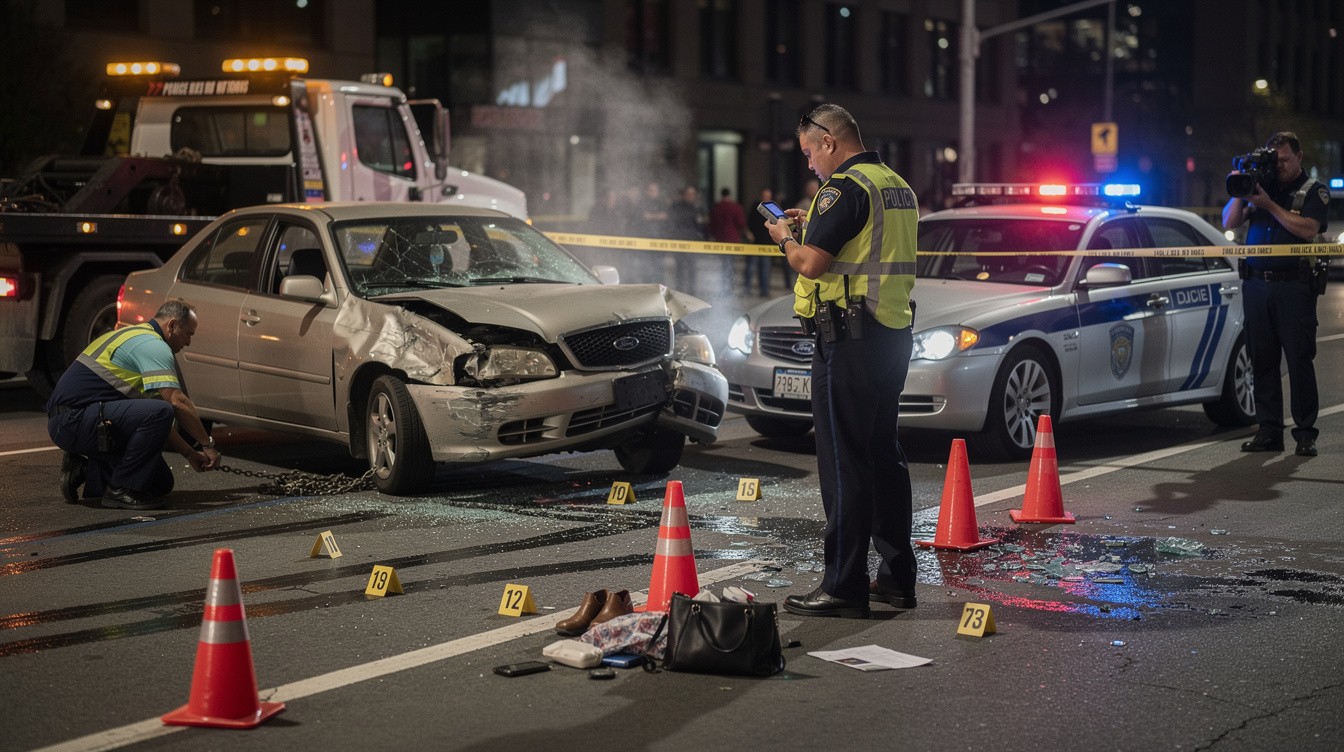
A DUI crash in Santa Cruz creates a complicated legal situation where you need to understand who’s responsible and what compensation you can pursue. The driver under the influence faces both criminal charges and civil liability, but that doesn’t mean your path to recovery is straightforward.
We at Schaar & Silva LLP help accident victims cut through the confusion and identify all available sources of compensation. This guide walks you through liability rules, how fault gets determined, and the concrete steps you should take right now.
Who’s Liable When a DUI Driver Hits You
Criminal vs. Civil Liability in DUI Crashes
California law treats DUI crashes differently than standard accidents, and understanding these distinctions directly affects your recovery options. When a driver operates a vehicle under the influence in Santa Cruz County, they violate Vehicle Code Section 23152, which establishes both criminal penalties and civil liability. The criminal case-handled by prosecutors-determines guilt and sentencing, but this process has no bearing on your ability to recover damages. You pursue compensation separately through civil court, where the standard of proof is lower and the focus shifts entirely to what you’re owed for injuries and losses.
This separation matters significantly. A DUI driver can face acquittal criminally yet still face liability civilly for your damages, or conversely, face criminal conviction while a civil jury determines the extent of financial responsibility. Your claim does not depend on the criminal outcome.
Third-Party Liability Under Dram Shop Laws
California’s dram shop law expands liability beyond just the intoxicated driver. Under Business and Professions Code Section 25602, establishments that serve alcohol to visibly intoxicated patrons can be held responsible for injuries those patrons cause. If the at-fault driver consumed alcohol at a bar, restaurant, or private event in Santa Cruz County before the crash, that vendor may share liability for your injuries.
This third-party liability becomes critical because bars and establishments typically carry substantial insurance coverage, whereas individual drivers often carry minimum limits. You can pursue claims against the business that served them alcohol if evidence shows the server should have recognized intoxication. This approach significantly increases the total compensation available to you.
Identifying All Responsible Parties
The investigation into who bears liability requires examining multiple sources. Insurance records, witness statements, and establishment records all contribute to building your case. Bars and restaurants maintain security footage and server logs that can establish whether staff recognized visible signs of intoxication before serving additional drinks. These records often prove decisive in establishing third-party liability.
Understanding these liability pathways positions you to move forward with identifying fault and calculating the full scope of damages you can recover.
How Fault Gets Established and What You Can Recover
Police Reports and Liability Evidence
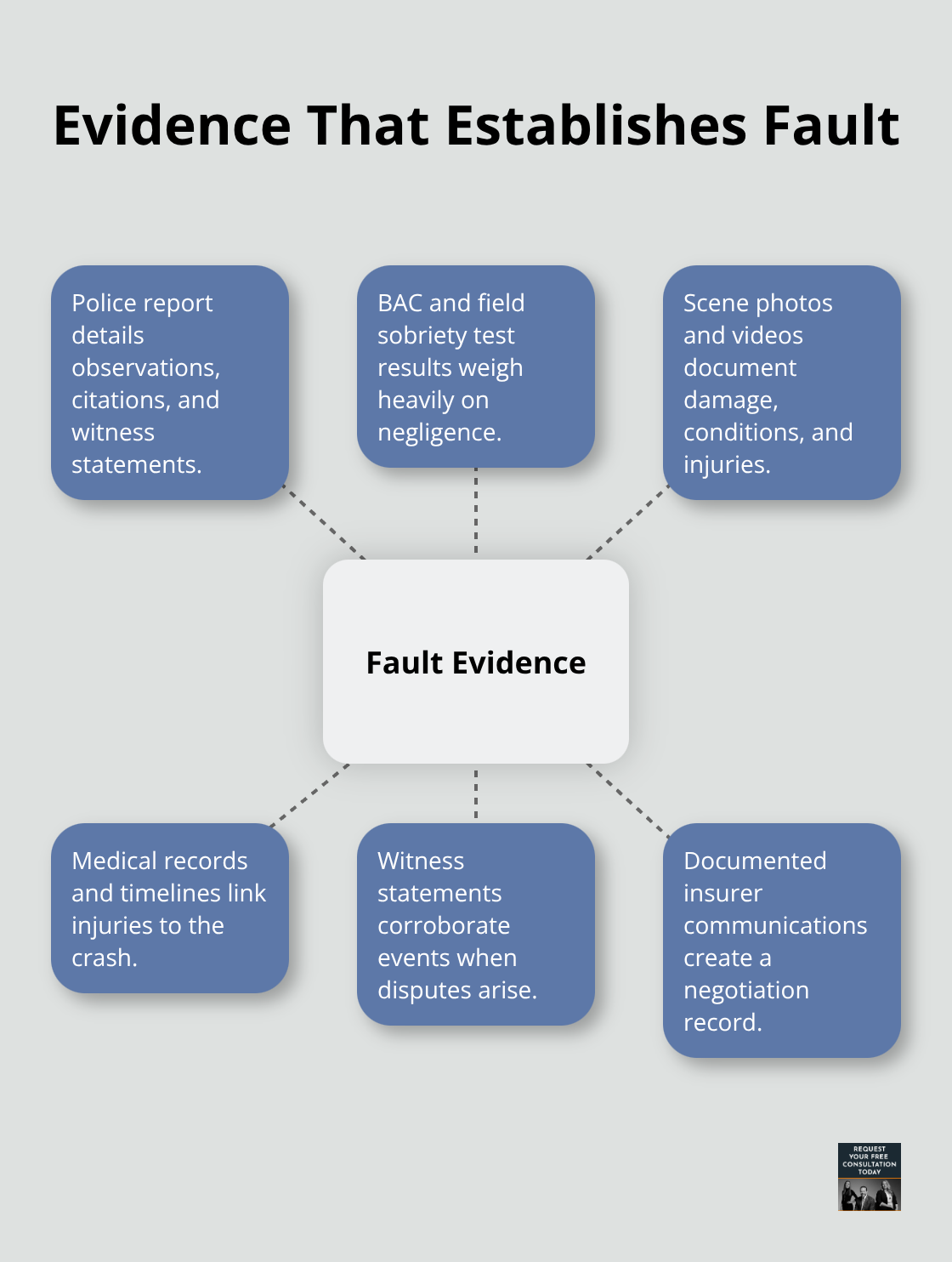
Police reports form the foundation of liability determination in DUI crashes, and Santa Cruz County law enforcement documents these incidents with specific details that directly influence your claim. The officer’s accident report includes observations about the at-fault driver’s condition, breathalyzer or blood test results, citations issued, and witness statements. California courts recognize police reports as credible evidence, though they are not conclusive proof of fault. Insurance adjusters and defense attorneys scrutinize these reports heavily, so any inconsistencies or missing details weaken your position. The report’s BAC level, field sobriety test results, and officer conclusions about impairment carry substantial weight in establishing negligence.
Request your copy immediately from the Santa Cruz County Sheriff’s Department or local police department, as delays can result in incomplete documentation or missing evidence photos.
Economic Damages You Can Recover
The damages you can recover break into two categories: economic and non-economic losses. Economic damages include medical expenses, lost wages, vehicle repair or replacement costs, and transportation expenses during recovery. Medical expenses alone can reach substantial amounts; the average hospitalization for crash-related injuries costs between $30,000 and $50,000 according to data from the National Highway Traffic Safety Administration.
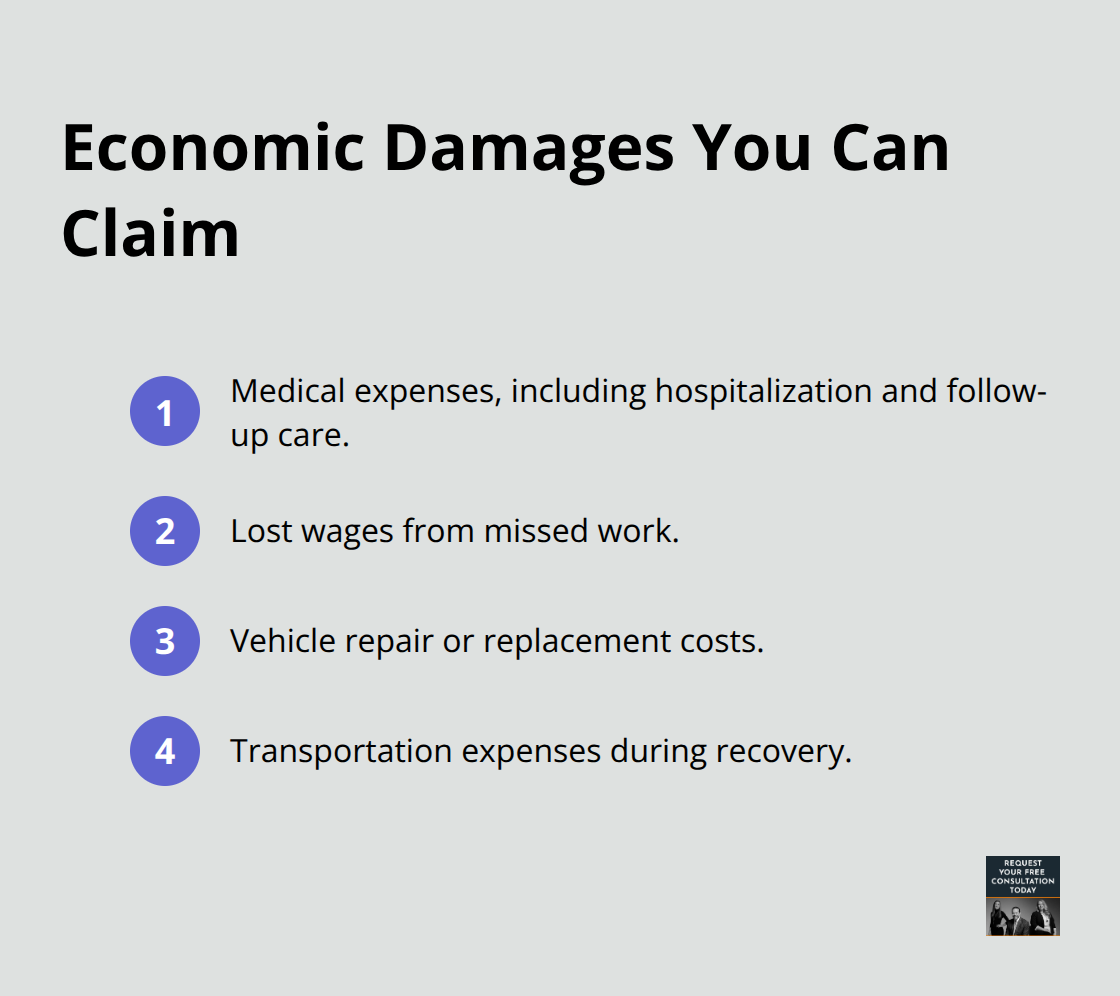
Lost wages continue accumulating during your recovery period, sometimes extending months or years depending on injury severity. Property damage claims require documented repair estimates or fair market value assessments for totaled vehicles.
Non-Economic Damages and Settlement Tactics
Non-economic damages cover pain and suffering, emotional distress, and reduced quality of life. California allows you to recover both economic and non-economic categories without caps in personal injury cases. Insurance companies often undervalue non-economic damages, offering settlements far below what juries typically award. This undervaluation reflects their strategy to close claims quickly at minimal cost rather than compensate your actual losses.
How Insurance Companies Handle DUI Claims
Insurance companies handling DUI cases operate differently than standard accident claims. The at-fault driver’s insurer recognizes the heightened liability exposure in DUI crashes and frequently authorizes higher settlement ranges to avoid jury trials, where punitive damages become possible. However, this doesn’t mean they’ll offer fair compensation without pressure. Adjusters employ delay tactics, requesting excessive documentation and medical records to slow your claim and force acceptance of lowball offers. California’s comparative negligence rules still apply in DUI cases, meaning if you’re found partially at fault, your recovery reduces proportionally. Document all communications with insurance representatives in writing, avoid recorded statements without legal guidance, and never accept initial settlement offers.
Taking Control of Your Claim
The path forward requires you to understand what compensation you deserve and how insurance companies attempt to minimize it. Medical lien services can facilitate payment of your bills until your case resolves, allowing you to focus on healing rather than financial pressure. With this foundation on liability and damages established, the next critical step involves taking immediate action to protect your rights and strengthen your position.
What to Do Right After a DUI Crash
The first hours following a DUI crash determine whether you’ll have strong evidence to support your claim or face an uphill battle later. Your immediate actions directly influence the compensation you recover. Call 911 if anyone needs medical attention, then move to safety if possible. Police will arrive and document the scene, but their report captures only what officers observe in those moments. You need to create your own detailed record before memories fade and evidence disappears.
Document the Scene Thoroughly
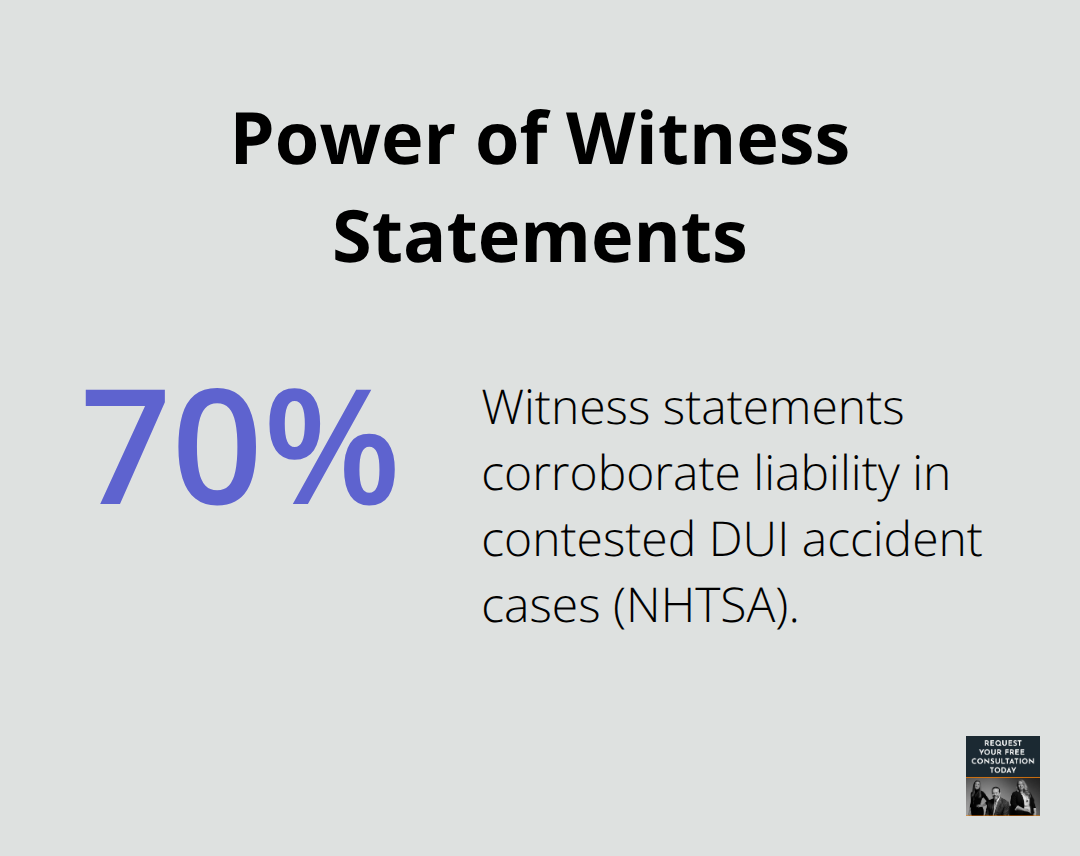
Take photos and video of vehicle damage from multiple angles, road conditions, weather, traffic signals, and visible injuries. Get contact information from every witness present, including their account of what they saw. The National Highway Traffic Safety Administration reports that witness statements corroborate liability in approximately 70% of contested accident cases. Write down the at-fault driver’s insurance details, license plate, and vehicle information.
If the driver admits to drinking or shows obvious signs of intoxication, note their specific statements and behaviors. Do not confront the driver about intoxication or make accusations that could be used against you later. Request a copy of the police report within two business days from the Santa Cruz County Sheriff’s Department or local police agency, as details become harder to recover after that window closes.
Seek Medical Evaluation Immediately
Medical evaluation matters even if you feel fine. Many DUI crash injuries manifest hours or days after impact, and delayed diagnosis weakens your damages claim significantly. Insurance companies scrutinize gaps between accident dates and first medical visits, using delays to argue injuries were less severe than claimed. Get a complete medical workup including X-rays, MRI scans if recommended, and detailed notes from your provider about your symptoms and prognosis. Keep every medical receipt, bill, and explanation of benefits in a dedicated folder.
Medical providers often work with medical lien services, meaning they can wait for compensation from your settlement rather than demand immediate payment (which reduces financial pressure during recovery). Maintain a daily pain and symptom journal documenting how injuries affect your daily activities, work capacity, and emotional state. This journal becomes powerful evidence for non-economic damages when insurance companies try to minimize your suffering claims. Follow all treatment recommendations consistently, as defense attorneys will argue that gaps in treatment indicate injuries were minor or exaggerated.
Preserve Evidence Before It Disappears
Gather and organize every document related to the crash before the insurance company’s investigation concludes. Request the complete police report, dispatch records, and any video footage from nearby businesses or traffic cameras within two weeks. Contact the bar, restaurant, or establishment where the at-fault driver consumed alcohol if you learn they came from a social venue, and ask about their record retention policies. Establishments typically keep security footage for 30 to 90 days before overwriting (so urgent requests matter). Save all text messages, emails, and social media posts from witnesses or the at-fault driver that reference the accident or their condition that day.
Handle Insurance Company Contact Carefully
Insurance adjusters will attempt to contact you directly seeking recorded statements, but you should decline without legal guidance. Anything you say can be used against your claim, and adjusters are trained to extract admissions that reduce your compensation. Document all communication attempts from insurance companies in writing, noting dates, times, names of adjusters, and what was discussed. This record protects you if disputes arise about what was promised or discussed during negotiations.
Final Thoughts
A DUI crash in Santa Cruz County creates financial and emotional burdens that extend far beyond the initial impact. You now understand how liability works, what damages you can recover, and which immediate actions protect your claim. Insurance companies count on confusion and delay to minimize what they pay you, but the framework exists to compensate you fairly when you take control of your case.
Contact Schaar & Silva LLP to discuss your situation with someone who handles DUI crash cases in Santa Cruz County regularly. We evaluate police reports, identify all liable parties including bars or restaurants that served alcohol, and manage insurance company communications so you can focus on recovery. We connect you with medical lien services and property damage specialists to eliminate financial pressure while your case moves forward.
Reach out today to protect your rights and ensure you receive the compensation you deserve.