
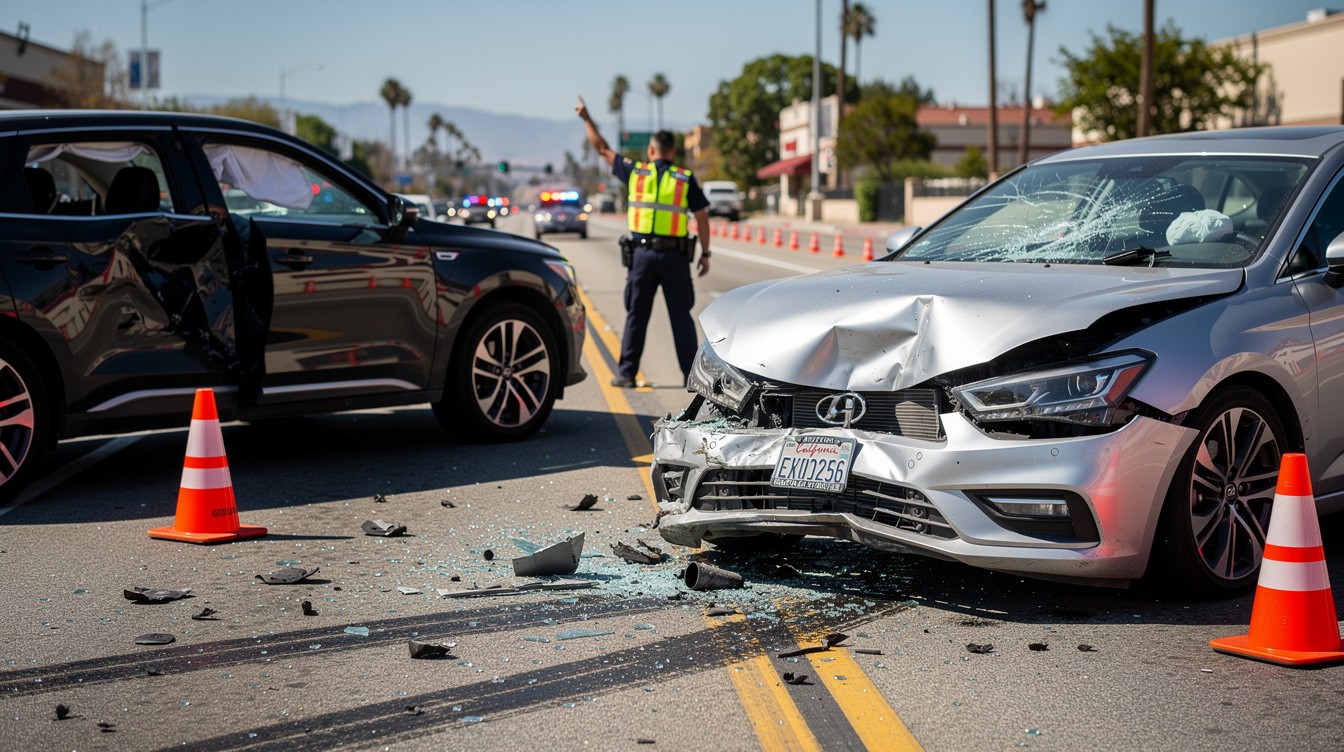
A California motor vehicle crash can leave you facing medical bills, lost income, and uncertainty about your rights. You may be entitled to recover damages for your injuries and losses, but understanding how to pursue your claim requires knowing the law.
We at Schaar & Silva LLP have helped accident victims in Santa Cruz County, Sacramento, and Oakland recover the compensation they deserve. This guide walks you through your legal options and the steps you need to take.
How California Negligence Laws Determine Who Pays for Your Accident
Negligence and Liability in California
California operates under a negligence-based system where the party responsible for causing your accident must compensate you for your losses. You need to prove that the other driver failed to exercise reasonable care, and that failure directly caused your injuries and damages. California courts define negligence as the failure to use ordinary care in the operation of a vehicle, which is a practical standard applied to everyday driving situations. The state does not require intentional wrongdoing or criminal behavior to hold someone liable, only that they breached their duty to drive safely.
Comparative Fault Rules That Work in Your Favor
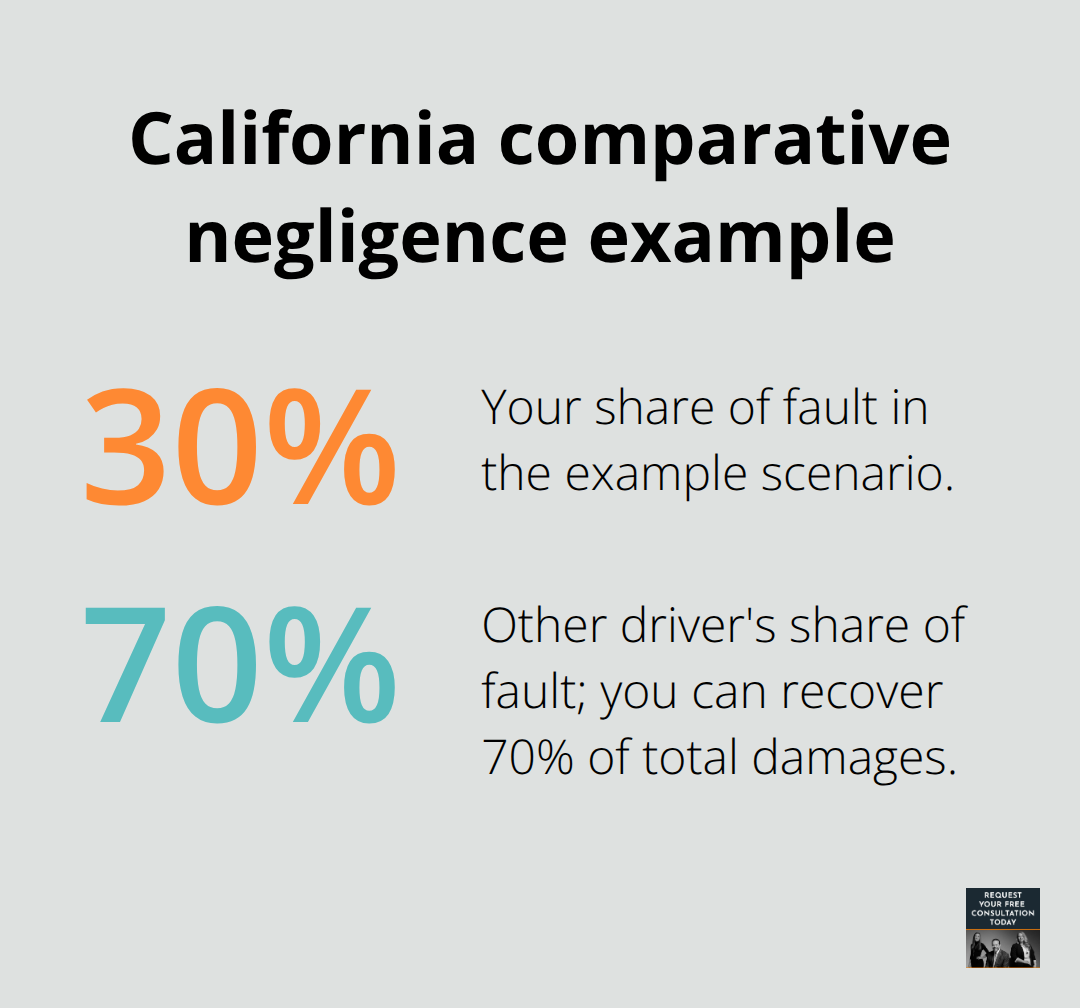
What makes California different from many states is the comparative fault rule, which allows you to recover compensation even if you share some responsibility for the accident. Under California’s pure comparative negligence system, you can pursue a claim as long as you are less than 100 percent at fault. If you are found 30 percent responsible and the other driver 70 percent responsible, you can recover 70 percent of your total damages.
This rule applies regardless of how the accident occurred, whether it involves a standard two-vehicle collision, a multi-vehicle pile-up, or a pedestrian struck by a vehicle. Insurance adjusters and juries will examine factors like your speed, whether you signaled lane changes, your following distance, and whether you violated any traffic laws. California courts have consistently ruled that comparative negligence applies even in cases involving pedestrians and cyclists, meaning fault can be apportioned fairly in those situations.
Time Limits and Reporting Requirements
The statute of limitations in California gives you two years from the date of the accident to file a personal injury lawsuit, though you should not wait this long. You must report your claim to the at-fault driver’s insurance company within 30 days, as delays can weaken your position and make evidence harder to preserve. Insurance companies count on accident victims not understanding these rules, which is why acting quickly and documenting everything matters far more than most people realize.
When you contact an insurance company or consider legal representation, understanding these negligence and comparative fault principles positions you to make informed decisions about your claim.
What Damages Can You Recover After a Motor Vehicle Crash
Economic Damages: Medical Bills, Lost Wages, and Property Damage
After a motor vehicle crash, California law entitles you to recover three distinct categories of damages, which represent your actual out-of-pocket losses and other compensable harm. The first and most straightforward category covers economic damages, which represent your actual out-of-pocket losses. Medical expenses form the largest component for most accident victims. According to the National Highway Traffic Safety Administration, the average hospitalization cost for a crash-related injury exceeds $35,000, and this figure climbs significantly for serious injuries requiring ongoing treatment.
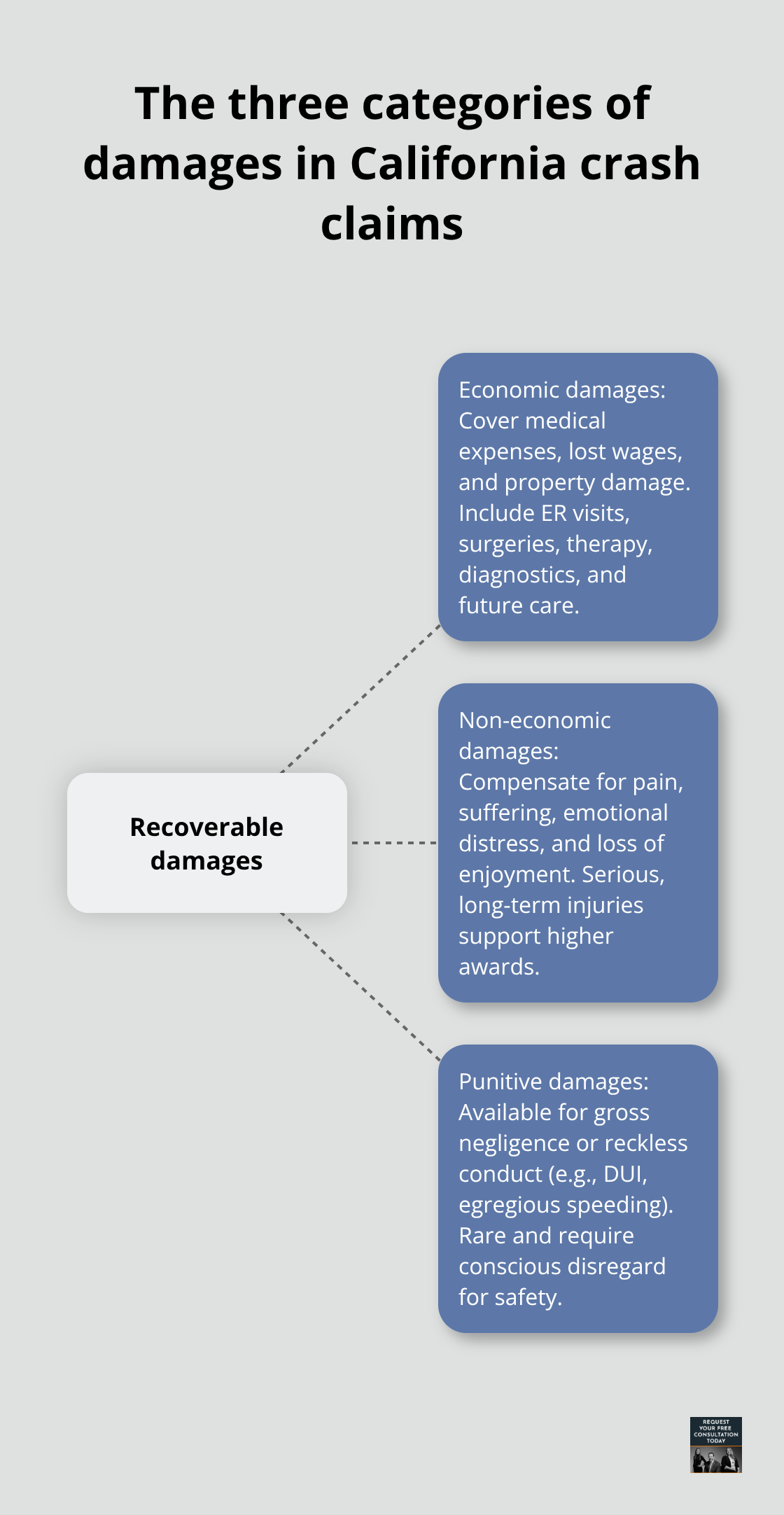
You can recover all reasonable and necessary medical costs, including emergency room visits, surgeries, physical therapy, diagnostic imaging, and future medical care related to your injuries.
Lost wages represent your second major economic claim. If the accident forced you to miss work during recovery, you can claim compensation for every hour of lost income, including bonuses and benefits you would have earned. For self-employed individuals, calculating lost wages requires documenting your average monthly income before the accident. Property damage claims cover the repair or replacement value of your vehicle and any personal property damaged in the crash, such as phones, glasses, or luggage.
Insurance companies often undervalue property damage settlements, so obtaining independent repair estimates before negotiating proves essential. You have the right to choose your own repair shop rather than accepting the at-fault driver’s insurance company recommendation.
Non-Economic Damages: Pain and Suffering
Non-economic damages compensate you for pain, suffering, emotional distress, and loss of enjoyment of life. These damages lack a clear dollar value, which makes them contentious in settlement negotiations. California courts allow juries to award substantial non-economic damages when injuries are severe and long-term. A spinal injury or traumatic brain injury that prevents you from working or engaging in activities you enjoyed before the accident justifies significant pain and suffering awards.
Insurance adjusters typically apply a multiplier to your economic damages, ranging from 1.5 to 5 times your medical bills and lost wages, though serious injuries command higher multipliers.
Punitive Damages in Cases of Gross Negligence
Punitive damages represent a third category available only in cases involving gross negligence or reckless conduct. These damages punish the at-fault driver and deter similar behavior. California law restricts punitive damages to situations where the defendant acted with conscious disregard for human safety, such as driving 40 miles per hour over the speed limit through a residential neighborhood or driving under the influence. Punitive damages are rare in standard motor vehicle accidents and require proving the defendant’s conduct was exceptionally egregious.
Managing Medical Bills During Your Recovery
Medical expenses can create financial strain while you focus on healing. We at Schaar & Silva LLP can direct you to medical lien services that facilitate payment of your medical bills until your case resolves, allowing you to concentrate on recovery rather than financial stress. This approach removes a significant burden from accident victims in Santa Cruz County who face mounting medical debt.
Understanding these three damage categories positions you to evaluate settlement offers accurately. The next step involves taking the right actions immediately after your crash to protect your ability to recover these damages.
What to Do Right After Your Crash
The first hours after a motor vehicle crash determine whether you can successfully recover damages. Your actions at the scene and in the days following the accident create the foundation for your claim, and mistakes during this window can undermine even strong cases.
Immediate Actions at the Scene
Move to a safe location if possible without putting yourself in danger, then call 911 if anyone is injured or if there is significant property damage. California law requires you to report accidents involving injuries or damage exceeding $1,000 to local police, so obtain the police report number at the scene. Take photographs of vehicle damage, road conditions, traffic signals, and visible injuries using your phone immediately, as these images become critical evidence later when memories fade and weather conditions change the scene.
Photograph the other driver’s license, vehicle registration, and insurance card rather than relying on memory or handwritten notes that can contain errors. Collect the names and phone numbers of all witnesses at the scene, as witness statements often prove decisive in settlement negotiations and litigation. Limit your conversation to exchanging basic information and avoid discussing how the accident occurred, since insurance companies later use admissions of fault against you.
Medical Evaluation and Documentation
Seek medical evaluation even if you feel fine, since some injuries like whiplash and concussions develop over time and medical records establish the connection between the accident and your injuries. Document all medical appointments, prescriptions, and treatment costs in one organized file. This documentation becomes essential when you file your claim and negotiate with insurance companies.
Reporting Your Claim to Insurance
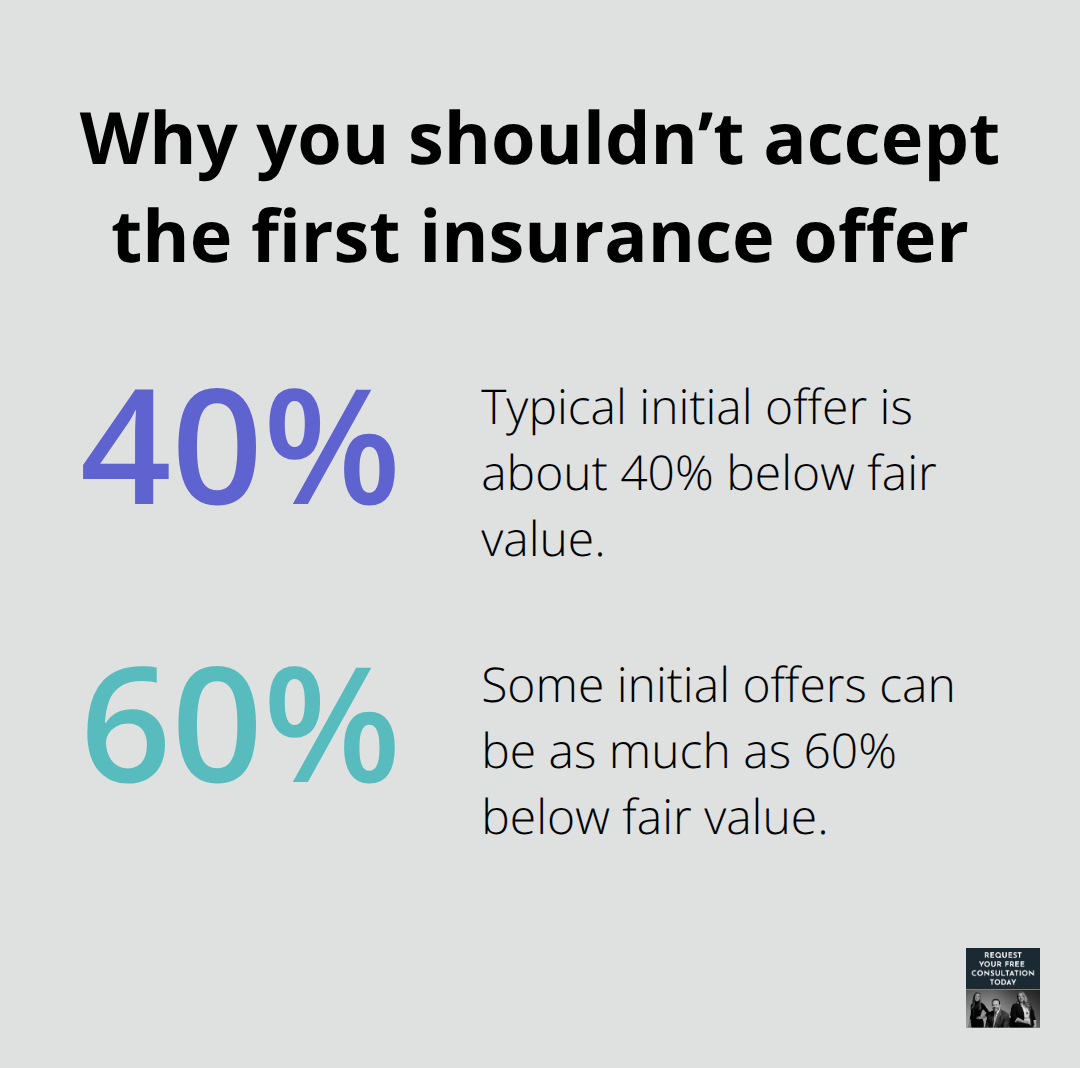
Contact the at-fault driver’s insurance company within 30 days to report your claim, but provide only basic information about the accident without detailed statements about your injuries or property damage. Insurance adjusters are trained to minimize payouts, so anything you say can be used to reduce your settlement. Request a formal written settlement demand form rather than accepting initial offers, which are typically 40 to 60 percent below fair value according to personal injury settlement patterns.
Preserving Evidence and Seeking Legal Guidance
Preserve all evidence including text messages, emails, medical bills, repair estimates, and receipts related to your accident and recovery. These materials support your claim and protect you during negotiations. Contact Schaar & Silva LLP for guidance on next steps, as our years of experience in personal injury law help you navigate insurance negotiations and protect your rights during this critical period.
Final Thoughts
A California motor vehicle crash leaves you with medical bills, lost income, and complex legal questions about your rights. This guide has outlined the negligence standards that determine liability, the comparative fault rules that protect you even if you share some responsibility, and the three categories of damages you can recover. You now understand that economic damages cover your medical expenses and lost wages, non-economic damages compensate you for pain and suffering, and punitive damages apply only in cases of gross negligence.
Insurance companies count on accident victims not understanding their rights or making mistakes that weaken their claims. Reporting your accident within 30 days, documenting all medical treatment, and avoiding detailed statements to insurance adjusters protects your position during negotiations. Acting quickly and strategically after your crash determines whether you recover fair compensation for your losses.
We at Schaar & Silva LLP have guided accident victims in Santa Cruz County, Sacramento, and Oakland through this process. Contact Schaar & Silva LLP to discuss your accident and learn how we can help protect your legal interests.
