

After a serious accident, medical bills pile up fast. You need treatment now, but your settlement won’t arrive for months or longer.
Medical bills lien services solve this problem by letting providers wait for payment until your case closes. We at Schaar & Silva LLP help clients navigate this process so you can focus on healing instead of debt.
How Medical Liens Actually Work
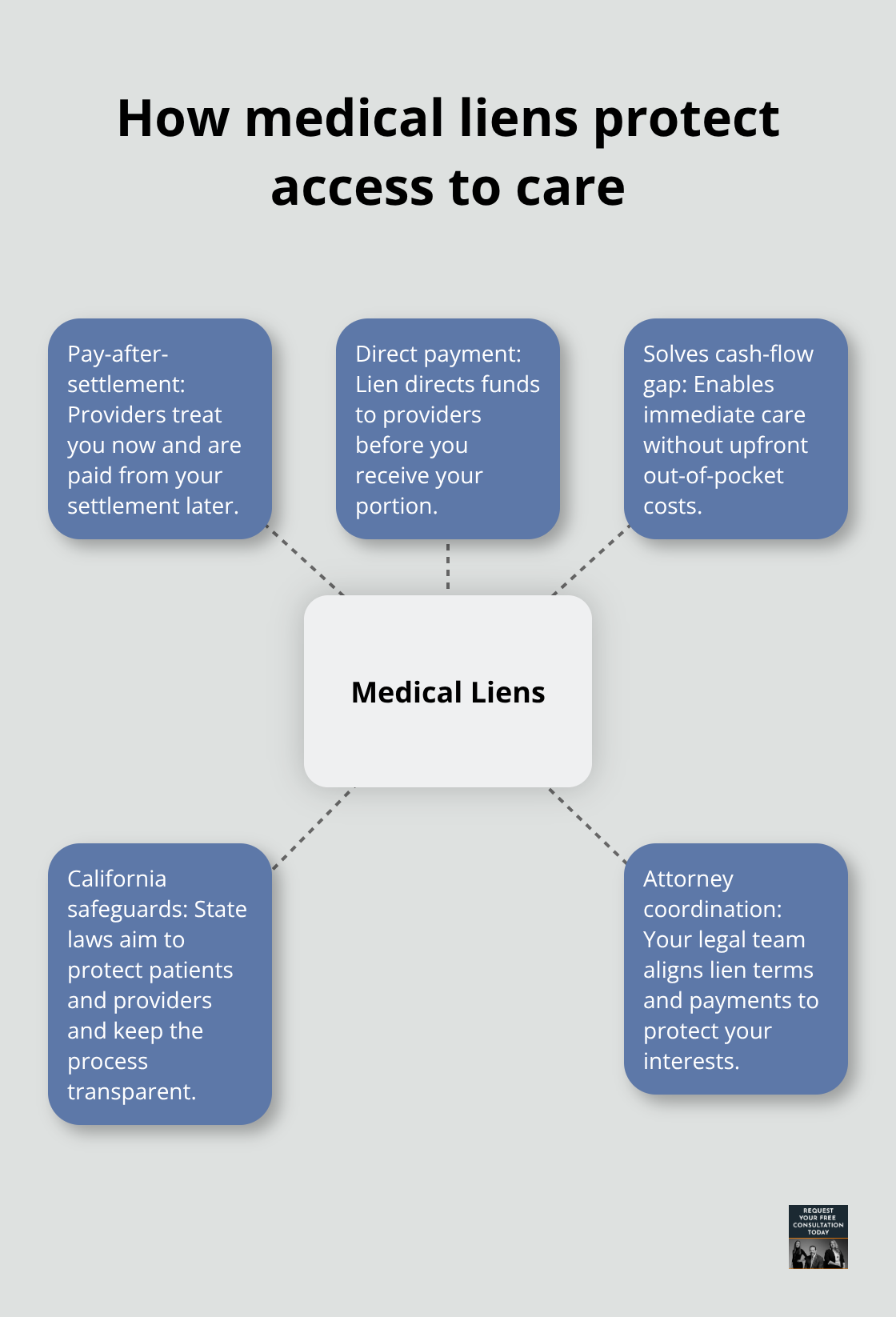
A medical lien is a legal agreement between you, your healthcare provider, and your attorney. The provider agrees to treat you now and waits for payment until your personal injury case settles. The lien gives the medical provider a claim against your settlement funds, meaning they receive payment directly from your award before you get your portion. This arrangement exists because accident victims often face a catch-22: they need immediate medical care but lack funds to pay for it upfront, and their settlement may take months or years to arrive. In California, medical liens operate under specific state laws that protect both patients and providers, keeping the process transparent and fair.
Understanding the Provider’s Role
Medical providers who accept liens take on financial risk. They extend credit based on the strength of your personal injury case. This means providers carefully evaluate whether your claim is likely to succeed before agreeing to treat you under a lien. Hospitals, physical therapists, and specialist clinics in Santa Cruz County and Oakland vary in their lien policies, with some accepting them readily and others refusing them altogether. Providers know that if your case fails or settles for less than expected, they may receive partial payment or nothing at all.
Having strong legal representation matters from day one. When healthcare providers see you’re working with an attorney, they gain confidence about getting paid, making them more willing to provide care under a lien arrangement. This confidence translates into faster approval for treatment and better terms for you.
Timeline Expectations and Settlement Resolution
The lien process runs parallel to your personal injury case. From the moment you sign a lien agreement, your medical provider begins documenting their services and costs. Most personal injury cases in California take between six months and two years to resolve, according to data from the State Bar of California. During this time, your medical bills accumulate, sometimes reaching tens of thousands of dollars for serious injuries.
Once your case settles, the settlement funds go into your attorney’s trust account, and your medical providers receive payment directly from those funds according to the lien terms. The process requires careful coordination between your legal team and healthcare providers to protect your interests.
Understanding how medical providers evaluate your case and manage liens sets the stage for exploring the real financial benefits these arrangements provide during your recovery.
Why Medical Liens Give You Breathing Room During Recovery
Immediate Access to Treatment Without Financial Strain
Medical liens eliminate the impossible choice between getting treated and staying financially afloat. When you’re injured in a car accident in Santa Cruz County or Oakland, delaying medical care to save money isn’t an option-your injuries worsen, recovery takes longer, and your case weakens. With a medical lien in place, you walk into a hospital or physical therapy clinic and receive full treatment immediately without paying a dime upfront. This matters because untreated injuries lead to permanent complications. A study by the Journal of the American Medical Association found that accident victims who delayed treatment for more than two weeks experienced significantly worse long-term outcomes than those treated immediately. You get the care you need now, and the medical provider waits for payment from your settlement. This arrangement keeps you from draining savings, maxing credit cards, or taking out predatory loans just to afford basic medical attention.
Measurable Financial Protection During Recovery
The financial relief during recovery is substantial and measurable. Medical bills for serious car accidents average between $15,000 and $50,000 in California, with trauma cases sometimes exceeding $100,000. Without a lien, you’d face collection calls, damaged credit, and constant financial stress while healing. A lien stops debt collectors from contacting you about medical bills because the provider has a legal claim against your settlement, not against you personally. This protection matters more than it sounds-debt collection harassment during recovery actually slows healing (stress hormones and anxiety increase during these interactions). You also retain full negotiating power over your settlement.
Reducing What Providers Ultimately Claim
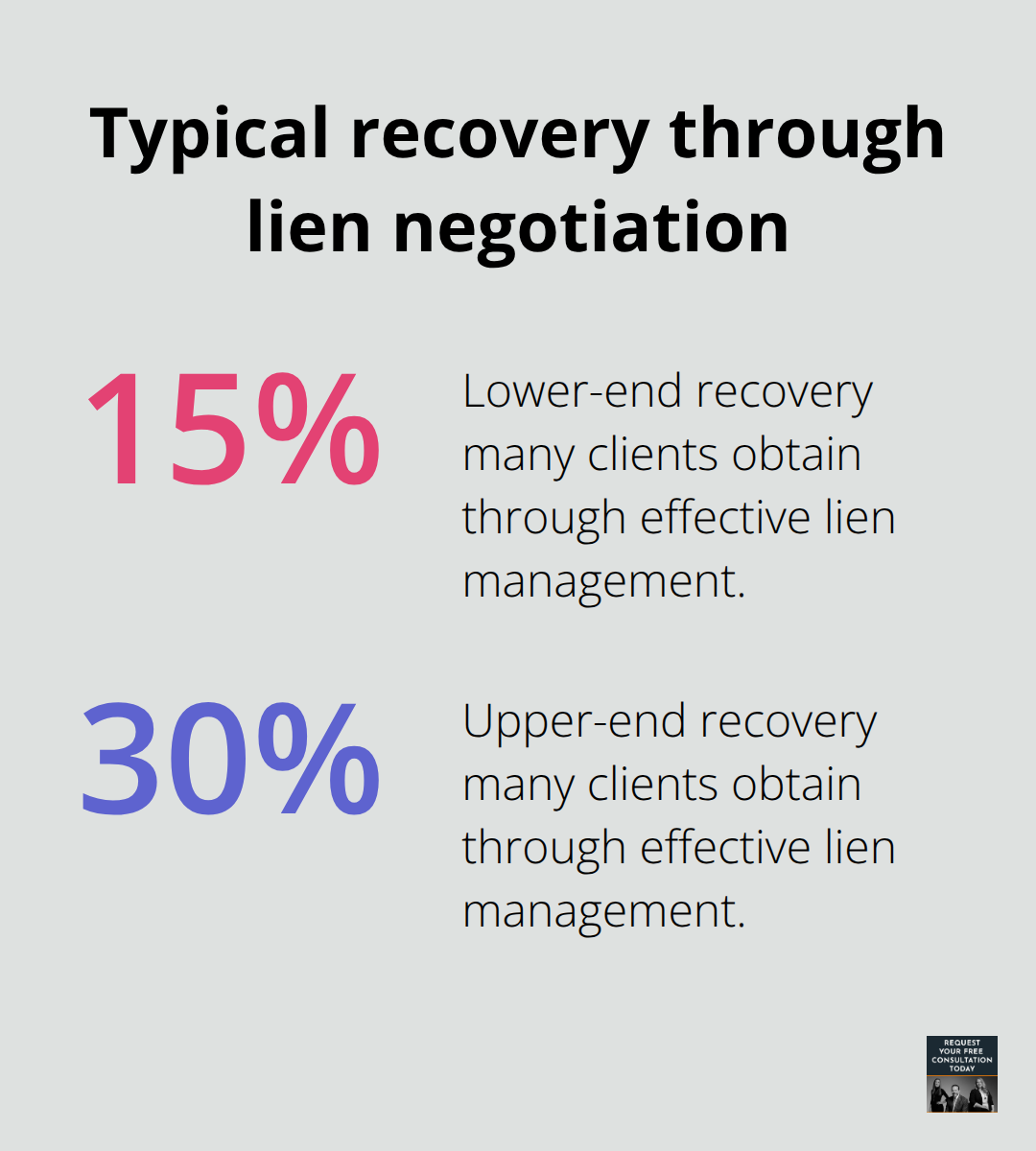
Your attorney works with medical providers to reduce lien amounts when appropriate, a process called lien negotiation or lien reduction. Healthcare providers often accept less than the full bill amount if it means getting paid faster once your case settles. Many clients recover 15 to 30 percent of their settlement amount through effective lien management that reduces what providers ultimately claim. This negotiation requires someone who understands both medical billing practices and personal injury law-someone who advocates for your financial interests throughout the process.
The difference between accepting a lien without negotiation and working with an attorney who handles lien reduction can mean thousands of dollars in your pocket.
Understanding how medical liens protect your finances during recovery reveals why certain misconceptions about these arrangements persist among accident victims.
What Medical Liens Won’t Do to Your Financial Future
Medical Liens and Your Credit Score
Your credit report tracks personal debt obligations you owe directly, not medical provider liens. A lien is a claim against your future settlement, not a debt assigned to you personally. The three major credit bureaus (Equifax, Experian, and TransUnion) do not report medical liens because they have no legal obligation to do so under Fair Credit Reporting Act guidelines. Medical providers cannot report unpaid lien balances to credit agencies because the debt doesn’t exist until your case settles. This distinction matters enormously. You could have a $50,000 medical lien and still qualify for a mortgage, car loan, or credit card based on your actual credit history.
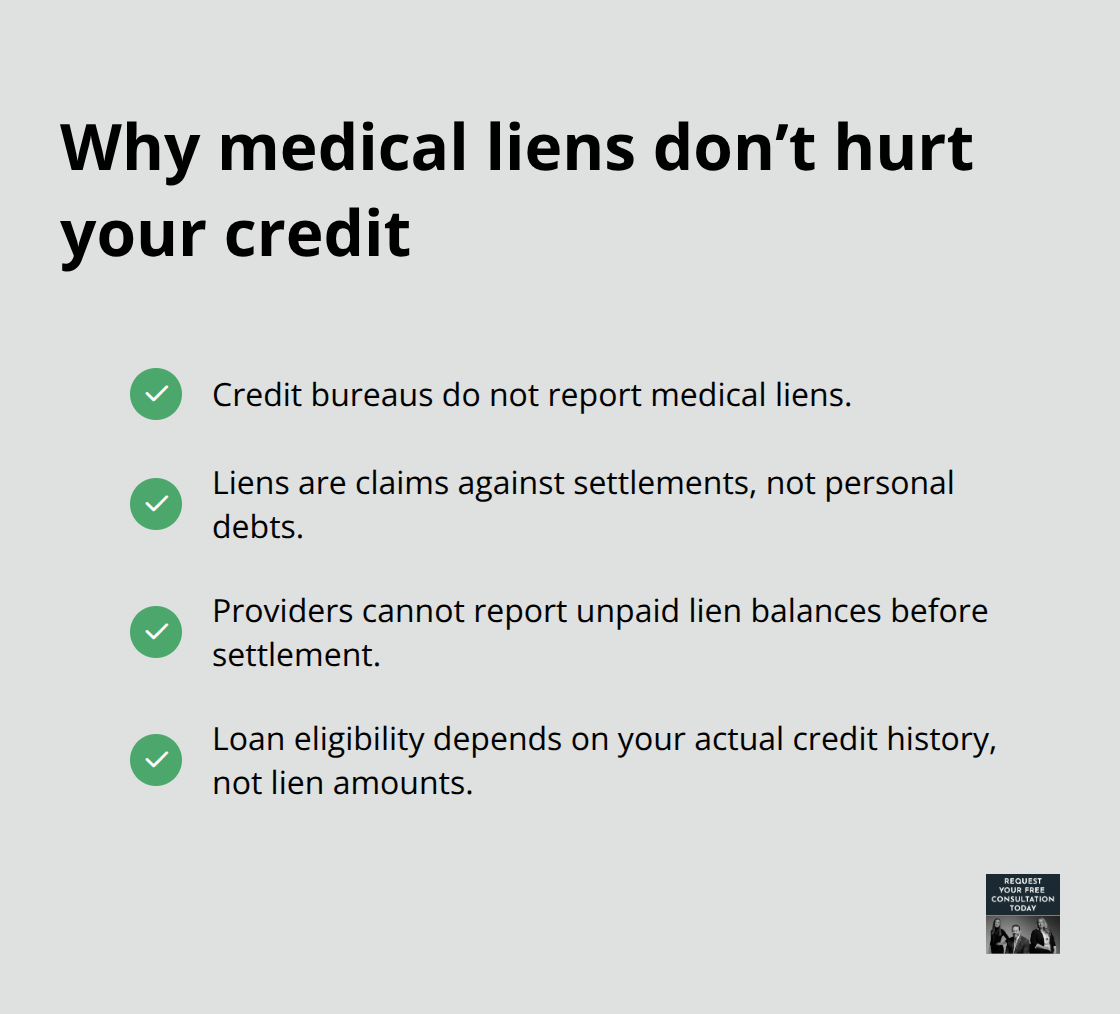
Lenders evaluate your personal credit obligations, not claims against pending settlements.
Many accident victims unnecessarily delay treatment because they fear credit damage that simply won’t occur. The fear stems from confusion between liens and traditional debt, but the legal structures differ completely.
Settlement Negotiations Remain Yours to Control
Your settlement negotiations remain entirely under your control when liens are in place. You decide whether to accept or reject any settlement offer, and medical providers cannot force you to accept a lower amount to pay their liens. Your attorney negotiates your settlement value independently from lien discussions. Once your case settles, your legal team then negotiates with medical providers to reduce their lien amounts when appropriate, securing you thousands of dollars in additional recovery.
This separation protects your interests throughout the process. Providers cannot pressure you into unfavorable settlement terms to satisfy their liens.
How Medical Liens Differ from Personal Loans
Medical liens operate fundamentally differently from personal loans. You sign no promissory note, pay no interest, and face no credit consequences if your case fails. With a personal loan, you owe the full amount regardless of case outcome. With a lien, if your case loses or settles for less than expected, the provider absorbs the loss, not you. This risk allocation favors accident victims significantly.
The provider extends credit based on case strength, not on your personal creditworthiness. If your personal injury claim fails, you owe nothing to the medical provider (unlike a traditional loan where you’d face collection actions and wage garnishment). This arrangement protects you while incentivizing providers to accept liens only for cases with genuine merit.
Final Thoughts
Medical liens remove the financial pressure that follows serious accidents. Instead of choosing between medical care and financial stability, you receive immediate treatment while your case develops. Providers receive payment from your settlement, you avoid debt collection harassment and credit damage, and the stress that slows healing disappears.
We at Schaar & Silva LLP help direct you to medical bills lien services that work with your case and negotiate with providers to reduce what they ultimately claim. Our experience in personal injury law across Santa Cruz County means we know which providers accept liens readily and how to structure agreements that protect your interests from day one. If you’ve been injured in a car accident, experienced a wrongful death in your family, or suffered a brain, spinal, or pedestrian injury, medical lien services can transform your recovery process.
The next step is connecting with someone who can evaluate your specific situation and explain how liens work for your case. Contact Schaar & Silva LLP to discuss your accident and learn how medical bills lien services can reduce your financial burden while you wait for your settlement.
