
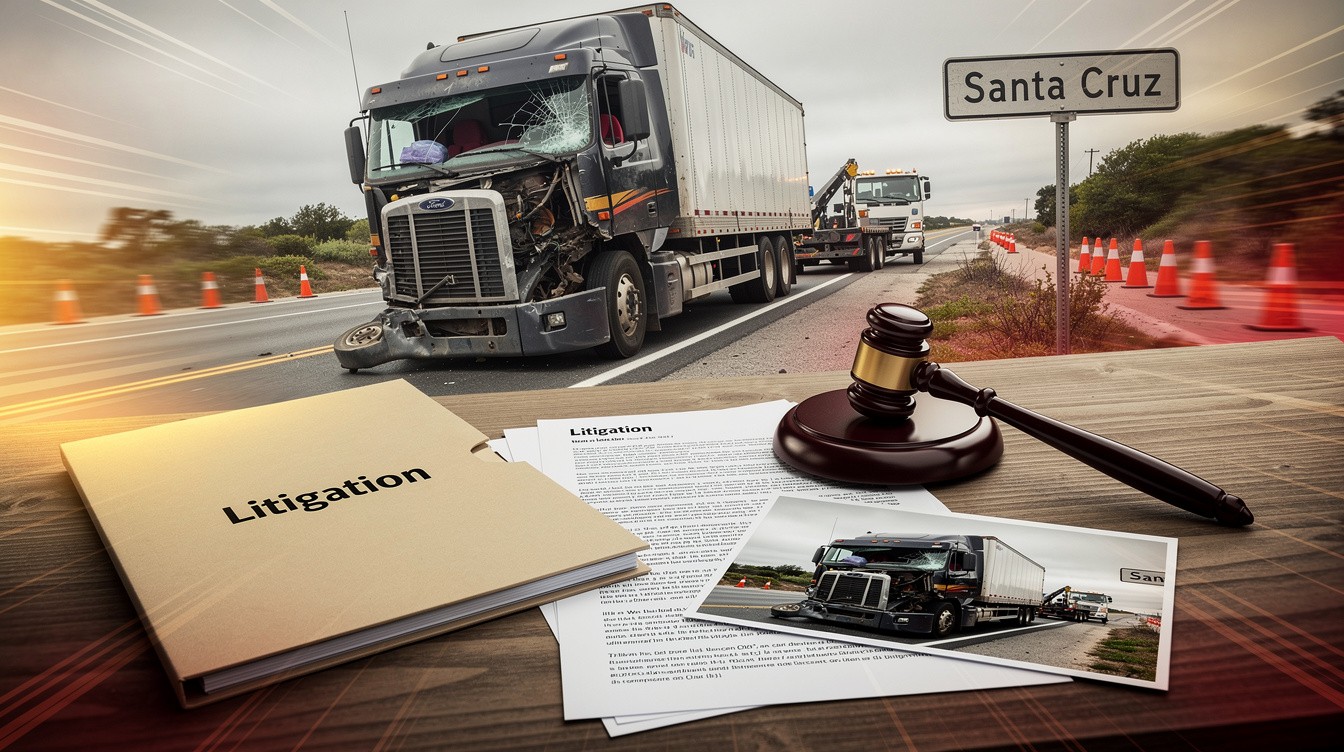
A Santa Cruz truck crash can turn your life upside down in seconds. Medical bills pile up, your vehicle needs repairs, and you’re left wondering what happens next.
We at Schaar & Silva LLP understand the confusion and stress that follows. This guide walks you through each phase-from protecting yourself at the scene to recovering the damages you deserve.
What to Do Right After Your Truck Crash
Protect Your Claim at the Scene
The first minutes after a truck crash determine how strong your claim becomes. Most people focus on calling 911 and waiting for help, but that’s only the start. Your actions during those initial hours directly impact your ability to recover damages later. Police will file a report, but their investigation serves the state, not your claim.
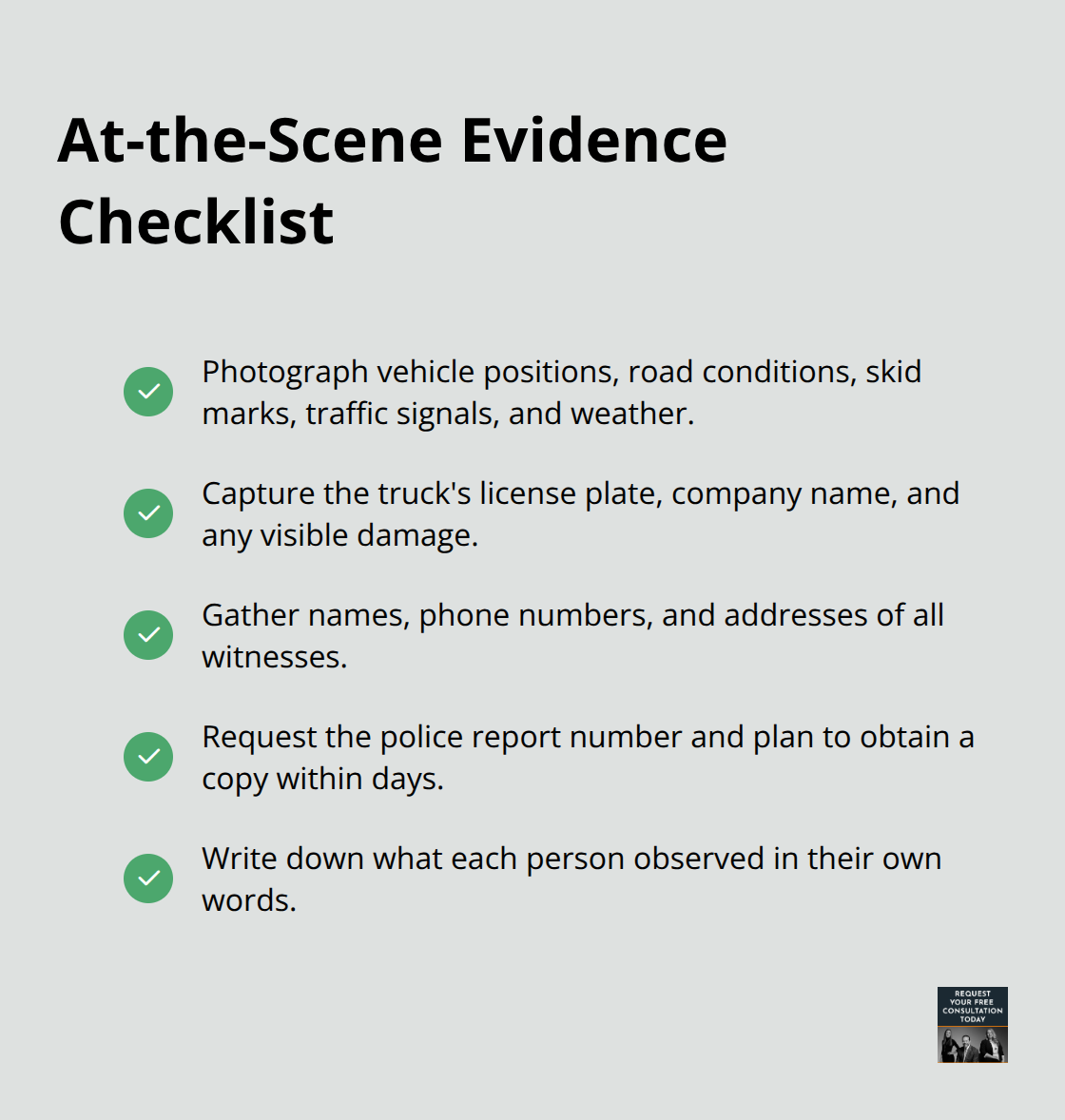
You need your own evidence.
Start documenting everything at the scene if you’re physically able. Take photos of vehicle positions, road conditions, skid marks, traffic signals, and weather. Capture the truck’s license plate, company name, and any visible damage. Get the names, phone numbers, and addresses of every witness who saw the crash happen. California sees roughly 3,600 fatal crashes annually according to the National Highway Traffic Safety Administration, and witness statements often disappear within days as people move on.
Collect Critical Information
Write down what each person observed, not your interpretation of events. Police reports contain valuable information, so request the report number and follow up within a few days to obtain a copy. The report becomes harder to obtain months later, and insurance companies use it to shape their narrative.
Collect the truck driver’s insurance information, commercial license number, and the name of the trucking company. Note the vehicle identification number and any company logos. This information prevents disputes later about who was involved.
Seek Medical Care Immediately
Medical attention must happen quickly, even if injuries seem minor. Some truck crash injuries develop over days or weeks, and delaying medical care gives insurance companies ammunition to claim injuries weren’t serious. Seek evaluation at an emergency room or urgent care facility within 24 hours. Keep all medical records, receipts, and documentation organized in one place.
Handle Insurance Communications Carefully
Report the crash to your insurance company promptly, but limit what you say. Give basic facts only-when, where, and that a crash occurred. Do not admit fault, speculate about causes, or describe injuries in detail. Insurance adjusters record calls and use your words against you later. If you’re uncertain about what to say, contact Schaar & Silva LLP before speaking with any insurer. We help clients navigate these conversations and prevent costly mistakes that weaken claims.
With your immediate steps complete and evidence secured, you’re ready to understand the formal process ahead.
Moving From Evidence to Legal Action
Understanding California’s Two-Year Filing Deadline
California law gives you two years from the truck crash date to file a personal injury claim, but waiting costs you. Insurance companies know this deadline and use delay tactics to wear down your resolve. The sooner you move forward, the stronger your position becomes.
Submitting Your Demand Letter
Filing your claim means submitting a demand letter that outlines your injuries, damages, and the other party’s liability. This letter should reference specific facts from your scene documentation, medical records, and the police report. Include every medical expense, lost wage, and property damage figure with supporting receipts. Many claims settle after this demand letter, but only if it’s detailed and backed by solid evidence.
Insurers evaluate settlement value based on what they think a jury would award, so your demand must reflect realistic jury expectations. Truck accident cases in California typically involve multiple insurance policies since the driver, trucking company, and vehicle owner may each carry coverage. Understanding which policy applies to which damages prevents you from accepting partial settlements when fuller recovery is possible.
Negotiating With Insurance Adjusters
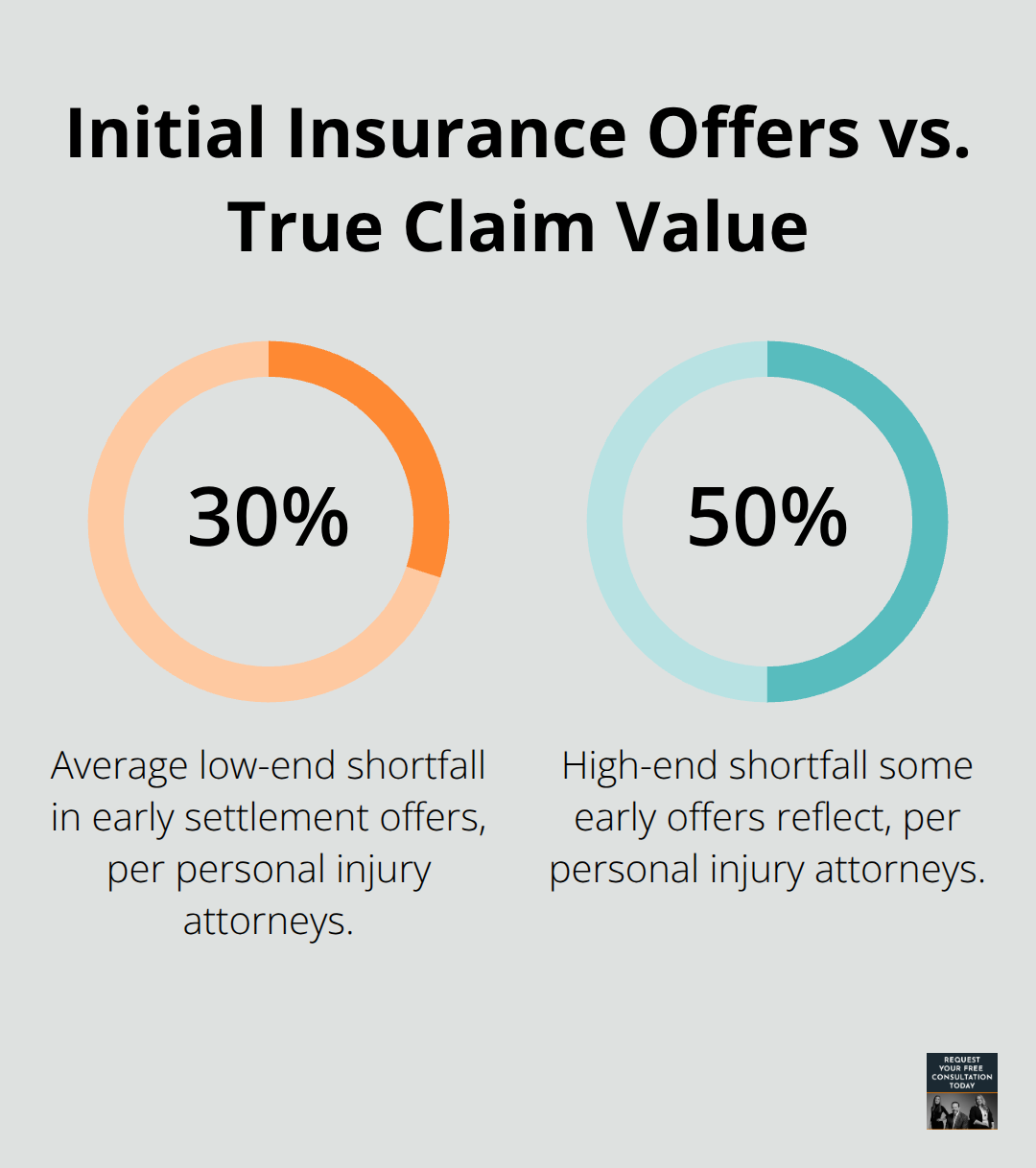
Negotiation with insurance adjusters requires discipline and clarity. Adjusters are trained to minimize payouts, and they offer settlement figures early when your case feels overwhelming. These initial offers average 30 to 50 percent below actual claim value according to attorneys handling personal injury cases. Counter every offer in writing, citing specific damages and liability facts.
If the insurer refuses to move meaningfully after two or three exchanges, litigation becomes your realistic path forward. Taking your case to court means filing a lawsuit and preparing for trial, but this threat alone often pushes insurers to reasonable settlement numbers.
Preparing for Trial and Building Your Case
We at Schaar & Silva LLP prepare every case as if trial is certain, which means gathering surveillance footage, securing expert witnesses, and organizing evidence into a compelling narrative. Federal FMCSA regulations and California Vehicle Code violations become powerful evidence in court, showing juries that the trucking company or driver violated safety standards. Most cases settle before trial, but settlement terms improve dramatically once you’ve demonstrated readiness to litigate. The strength of your evidence and your willingness to proceed to trial determine whether you recover full damages or accept a reduced settlement offer.
What Damages Can You Actually Recover
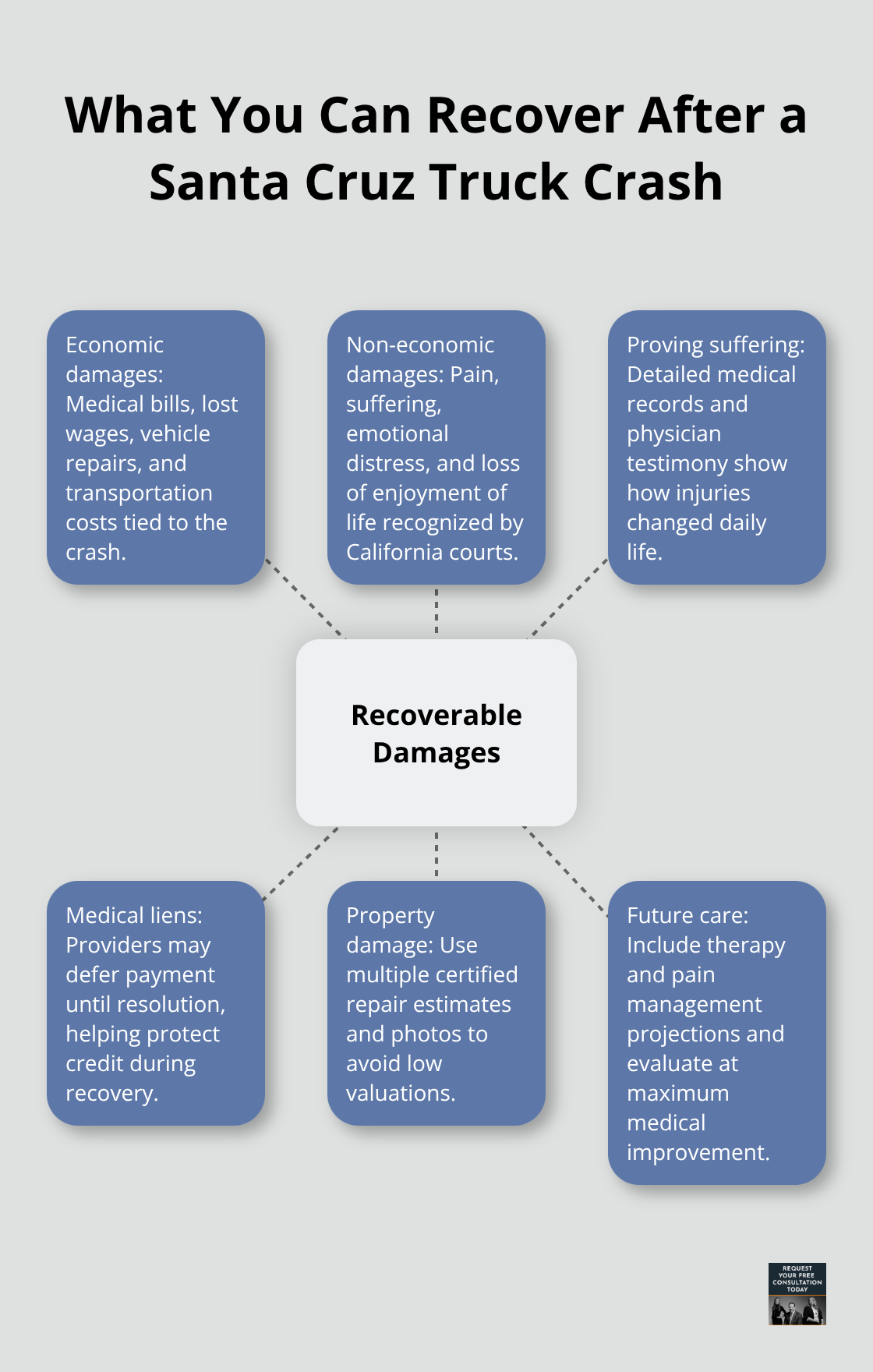
Your truck crash claim covers two distinct categories of damages, and understanding the difference determines how much you ultimately recover. Economic damages include every dollar you’ve spent or will spend because of the crash: medical bills, lost wages, vehicle repairs, and transportation costs while your car is being fixed. Non-economic damages compensate for pain, suffering, emotional distress, and loss of enjoyment of life. California courts recognize both, and juries regularly award millions in non-economic damages for severe truck crashes.
Proving the Value of Your Suffering
The challenge lies in proving the value of suffering, which requires detailed medical records, testimony from treating physicians, and clear documentation of how injuries changed your daily life. Start tracking every expense immediately and maintain organized records by category. Photograph medical receipts, wage stubs showing lost income, and repair estimates. This documentation becomes your foundation when negotiating with insurers or presenting evidence to a jury.
Managing Medical Bills and Liens
Medical bills from truck crashes accumulate quickly and often continue for months or years. Medical lien services allow providers to defer payment until your case resolves, preventing collection agencies from pursuing you while your claim is pending. This approach keeps your credit intact and prevents debt from spiraling during recovery. Schaar & Silva LLP can direct you to these medical lien services as part of our support for Santa Cruz County clients.
Valuing Your Property Damage
Property damage claims require professional valuation to prevent accepting lowball offers from insurance adjusters. Obtain multiple repair estimates from certified shops and document the vehicle’s condition before the crash with photos or maintenance records. If your vehicle is totaled, obtain the market value from sources like the National Automobile Dealers Association or comparable sales in your area. Insurers often undervalue property damage to reduce overall claim payouts, so pushing back with solid evidence typically yields higher settlements.
Calculating Future Medical Costs
When medical treatment extends beyond initial emergency care, calculate future costs with your healthcare providers and include these projections in your demand. Courts award damages for ongoing physical therapy, pain management, and psychological counseling when medical evidence supports continued treatment needs. Settle your case only after you’ve reached maximum medical improvement, the point where your condition stabilizes and further treatment won’t improve your status. Settling too early locks you into a fixed amount while hidden injuries or complications emerge months later.
Moving Forward After Your Truck Accident
Recovery from a Santa Cruz truck crash extends far beyond settling your claim. Your physical healing, emotional well-being, and financial stability all demand attention as you rebuild your life. Follow your doctor’s treatment plan completely, attend all physical therapy sessions, and report any new symptoms immediately, since many truck crash injuries worsen without proper care and can extend your recovery timeline by months.
Emotional recovery often gets overlooked because visible injuries demand immediate attention. Truck crashes trigger anxiety, sleep disruption, and post-traumatic stress that can persist long after physical wounds heal. Connecting with a counselor or therapist who understands trauma helps you process what happened and rebuild confidence in your daily life, and your mental health directly impacts your physical recovery.
We at Schaar & Silva LLP support Santa Cruz County clients through every phase of recovery. Beyond handling your claim, we connect you with resources that manage your medical bills while your case resolves, assist with property damage valuation to prevent underpayment, and link you with psychological support professionals who understand trauma recovery. Contact us today for a free consultation and take the first step toward the recovery you deserve.
