

Getting injured in an accident is hard enough. When your immune system is already compromised, recovery becomes significantly more complicated.
At Schaar & Silva LLP, we understand that immunocompromised accident victims face unique medical and legal challenges that standard injury claims often miss. Your pre-existing condition affects everything from healing timelines to the total damages you deserve.
How Your Immune System Affects Accident Recovery
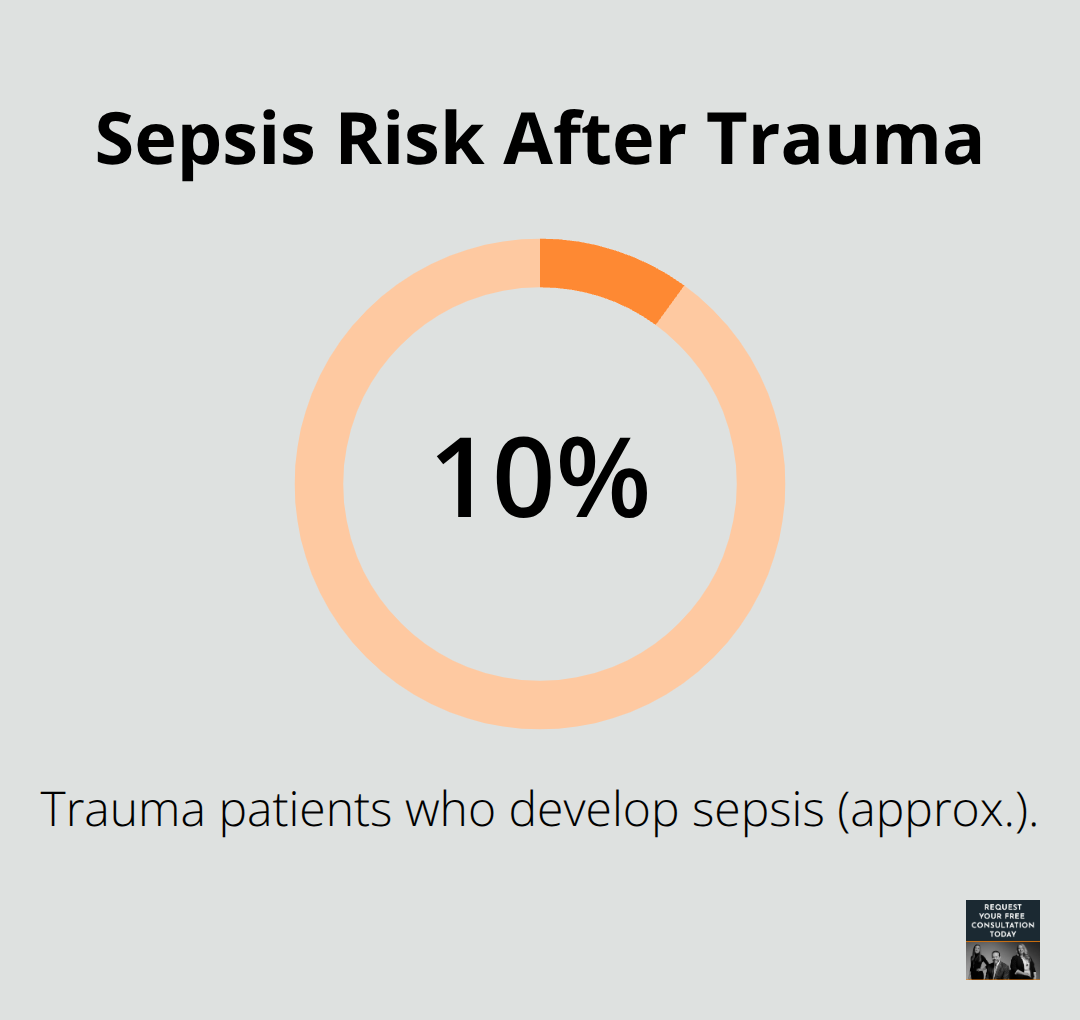
Immunocompromised accident victims face a medical reality that standard injury cases don’t account for. When your immune system is weakened-whether from HIV/AIDS, cancer treatment, diabetes, lupus, heart disease, or chronic conditions like leukemia and liver disease-an accident doesn’t just cause immediate injuries. It creates a cascade of complications that extend healing timelines and multiply medical costs. Research shows that approximately 10% of trauma patients develop sepsis, and mortality rates rise significantly in septic patients compared to non-septic ones. For immunocompromised individuals, this risk intensifies because your body struggles to mount effective defenses against infection.
How Trauma Disrupts Your Immune Response
After trauma, your immune system moves through distinct phases: first a pro-inflammatory surge designed to fight pathogens, then a counter-inflammatory phase that can leave you vulnerable to secondary infections. If your immune system was already compromised before the accident, this natural response becomes dysregulated. You may lack the fever response that typically signals infection-and absence of fever after injury actually correlates with worse outcomes, according to research published in the Journal of Trauma. This means dangerous infections can progress silently while standard monitoring misses the warning signs.
Extended Hospitalization and Medical Complexity
Extended hospitalization becomes common for immunocompromised accident victims. Where an uncompromised person might recover at home after two weeks, you could face months of inpatient care as medical teams manage both the accident injuries and infection prevention. Long COVID adds another layer if you contracted COVID-19 during your recovery period. Studies indicate that 750,000 to 1.3 million people have become unable to return to full-time work due to long COVID’s persistent symptoms, which can include multi-organ damage affecting the heart, lungs, kidneys, liver, brain, and circulatory system.
Why Secondary Complications Become Your Main Battle
The real challenge isn’t the initial injury-it’s what comes after. Your body’s weakened defenses mean wound infections, pneumonia, urinary tract infections, and sepsis become serious threats rather than minor complications. Medical teams must monitor you more aggressively, ordering additional tests, imaging, and preventive treatments that wouldn’t be necessary for other patients. These interventions drive up medical costs substantially.
Your claim must account for this extended treatment period, which means calculating damages becomes far more complex. Insurance companies often underestimate recovery timelines for immunocompromised claimants because they rely on standard injury recovery data that doesn’t apply to your situation. This is where documentation matters tremendously. Medical records showing your pre-existing immunocompromised status, evidence of infection or complications during recovery, and physician notes explaining why your healing took longer all become critical to proving your actual damages. The medical bills alone tell only part of the story-the extended recovery period, the specialized medical care, and the reality that you cannot safely return to work during the infection-risk window all deserve compensation. Understanding how insurance companies evaluate these claims sets the stage for what comes next.
Building Your Legal Case When Immunocompromised
Separating Your Pre-Existing Condition from Accident-Caused Injuries
The moment you file an accident claim while immunocompromised, your case becomes more complex than standard injury claims. Insurance companies evaluate claims based on typical recovery timelines, but your medical reality doesn’t fit those standard models. Your pre-existing immunocompromised status fundamentally changes how damages should be calculated and what evidence matters most.
The critical mistake many immunocompromised claimants make is failing to separate their baseline medical condition from the accident-caused injuries in their documentation. Insurance adjusters will argue that your extended recovery stems from your pre-existing condition, not the accident. You need medical records that clearly show the accident accelerated your condition or created new complications beyond what your immune system already faced.
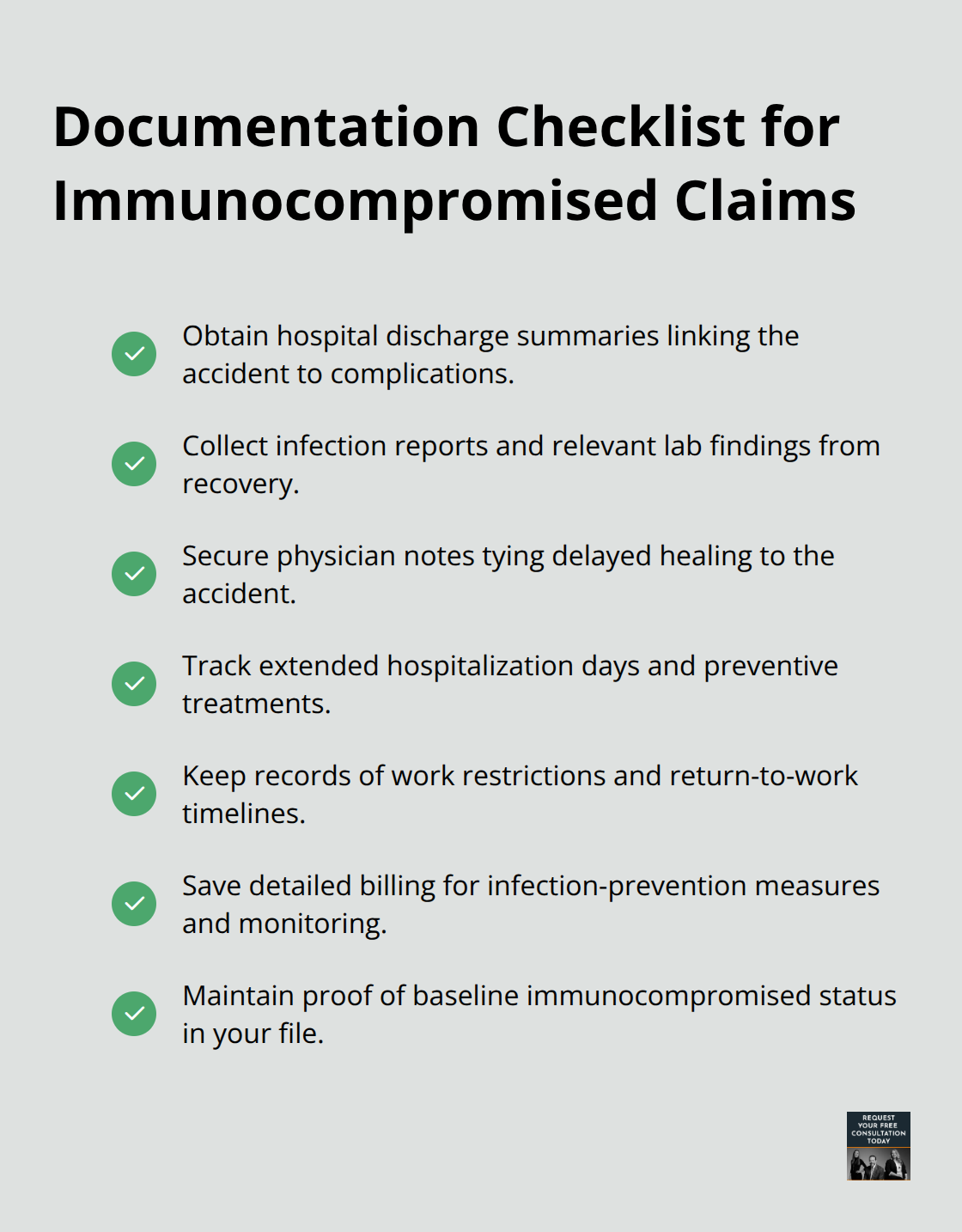
Request comprehensive medical documentation from your treatment team that explicitly connects the accident to infections, delayed healing, or secondary complications. Hospital discharge summaries, infection reports, and physician notes stating that the accident increased your infection risk or extended your recovery period become your strongest evidence. Without this specificity, insurers will minimize your claim by attributing complications to your pre-existing condition rather than the accident itself.
Calculating Damages Beyond Standard Recovery Models
Calculating damages for immunocompromised accident victims requires accounting for costs that standard injury claims often ignore. Your medical expenses will likely exceed typical accident recovery costs because you need longer hospitalization, more frequent monitoring, preventive treatments, and specialized care to manage infection risks. If you develop sepsis, studies show mortality rises significantly in septic patients compared to non-septic ones, and the medical costs reflect this severity.
Your lost wages calculation must extend beyond the standard recovery period because you cannot safely return to work while infection risks remain high. Many immunocompromised claimants cannot resume full duties for months longer than uncompromised workers, and this extended time away from work deserves full compensation. Request detailed billing statements from all medical providers showing the infection-prevention measures, extended hospitalization days, and specialized treatments attributable to your immunocompromised status.
Documenting Work Restrictions and Long COVID Complications
Document any work restrictions your physician imposes and the timeline for safe return to full duties. If long COVID complications emerge during your recovery, separate those medical costs and lost wages from your accident claim, as they may involve different causation arguments. Insurance companies typically offer settlements based on comparable cases, but your case has no true comparable if your immunocompromised status created unique complications.
Demand that adjusters provide their damage calculations in writing and explain how they accounted for extended recovery periods. If their numbers don’t match your medical evidence, push back with specific documentation rather than accepting their standard-case approach. This documentation becomes essential when you move forward with appealing a denied claim or negotiating a fair settlement that reflects your actual medical and financial losses.
Medical Care and Support Resources Available
Assembling Your Medical Team for Immunocompromised Recovery
Managing medical care after an accident while immunocompromised requires coordinating multiple specialists and payment systems simultaneously. Your medical team needs infectious disease physicians who understand your baseline condition, trauma surgeons familiar with immunocompromised patients, and infectious disease monitoring protocols that catch complications early. Request that your hospital assign a care coordinator specifically for infection prevention, as immunocompromised patients benefit from dedicated oversight. When selecting providers, ask directly whether they have experience treating immunocompromised trauma patients and whether they monitor for delayed infections beyond standard discharge protocols.
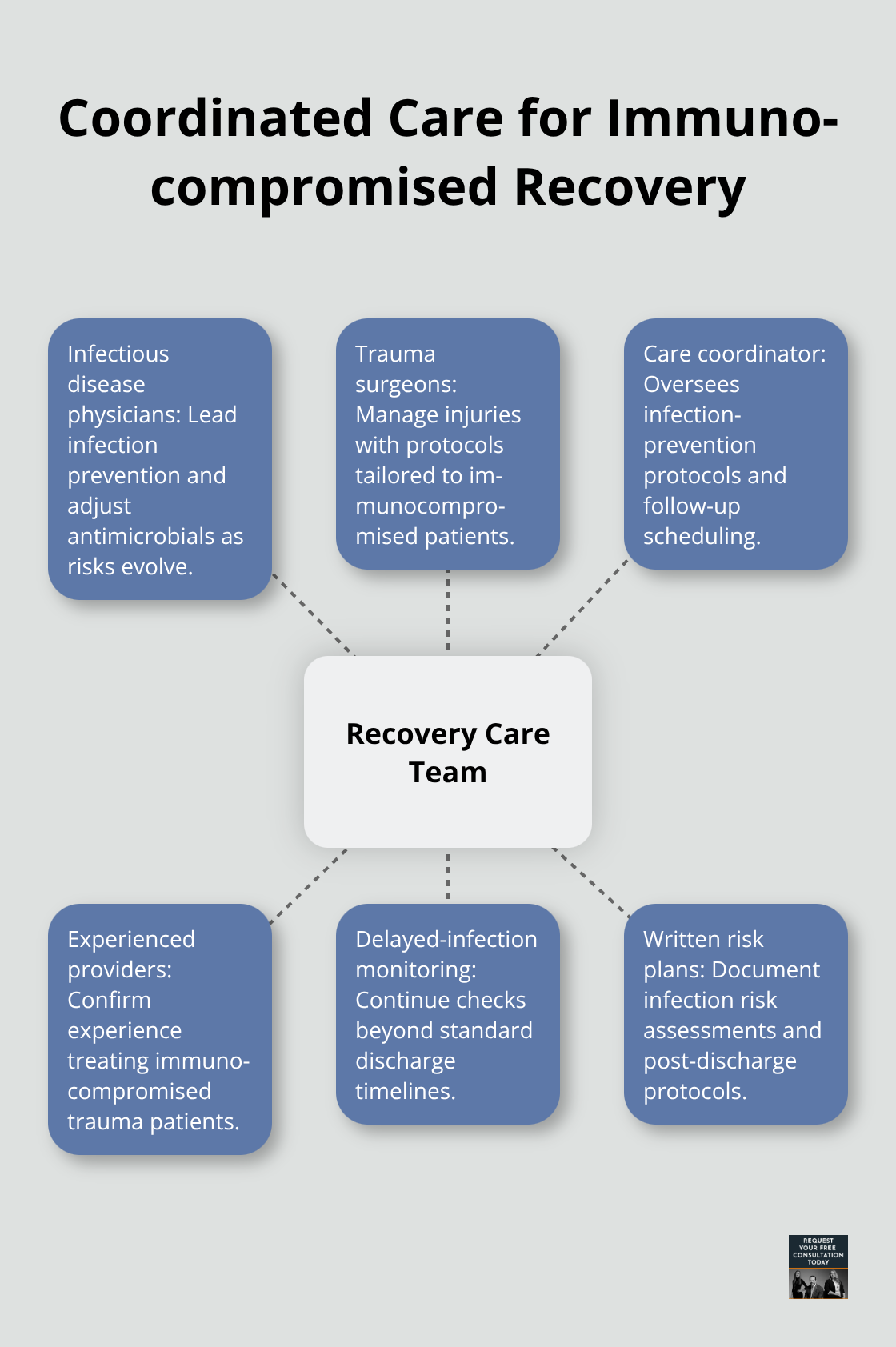
Many regional medical centers in Santa Cruz, Sacramento, and Oakland have infectious disease departments equipped to handle your specific needs, though coordination between your primary injury team and infectious disease specialists requires active communication on your part. Push your medical providers to document infection risk assessments in writing and establish clear protocols for monitoring you after discharge, since silent infections pose the greatest danger to immunocompromised accident victims.
Navigating Medical Liens and Payment Options
Financial barriers often prevent immunocompromised patients from receiving the extended care they need. Medical liens allow hospitals and treatment providers to place claims against your personal injury settlement, meaning you can receive care immediately without paying upfront costs while your claim proceeds. Ask your hospital’s financial counselor about medical lien agreements before discharge, as this arrangement lets you focus on recovery rather than payment logistics. Medicaid covers extended medical treatment for eligible individuals and can bridge gaps between your accident settlement and ongoing care needs.
Understanding Disability Benefits and ERISA Plans
The U.S. Department of Labor provides resources about disability benefits if your injuries prevent return to work. File applications as soon as your physician indicates extended work restrictions. Many employers offer long-term disability through ERISA plans, meaning your coverage is governed by federal law with specific appeal deadlines and documentation requirements. If your employer provides this coverage, request your plan documents immediately and file claims according to their exact instructions, as missing deadlines can eliminate your benefits entirely.
Accessing Mental Health Support During Recovery
Mental health support becomes essential for immunocompromised accident victims managing both trauma recovery and chronic health complications simultaneously. Psychological support specialists who understand the intersection of physical injury, infection anxiety, and extended recovery periods can help you process the emotional weight of your situation. Your emotional recovery deserves the same priority as your physical healing, and documenting mental health treatment creates additional damages in your personal injury claim if your emotional trauma stems from the accident and its complications.
Final Thoughts
Your immunocompromised status fundamentally changes how your accident claim should be evaluated and what compensation you deserve. Insurance companies rely on standard recovery timelines that fail to account for the extended hospitalization, infection prevention costs, and delayed return to work that immunocompromised patients face. When your immune system is already weakened from conditions like HIV/AIDS, cancer treatment, diabetes, lupus, or heart disease, an accident creates cascading medical complications that multiply your damages far beyond what typical injury claims capture.
Request comprehensive medical documentation that explicitly connects your accident to infections, delayed healing, or secondary complications. File disability claims according to your plan’s exact instructions if your injuries prevent work, as missing deadlines can eliminate benefits entirely. Assemble a medical team including infectious disease specialists and trauma surgeons experienced with immunocompromised patients, and document all medical expenses, work restrictions, and extended recovery periods in writing.
We at Schaar & Silva LLP understand that immunocompromised accident victims face medical and legal challenges that standard injury claims often miss. Contact Schaar & Silva LLP to discuss your case and protect your rights to full compensation for your actual losses.
