
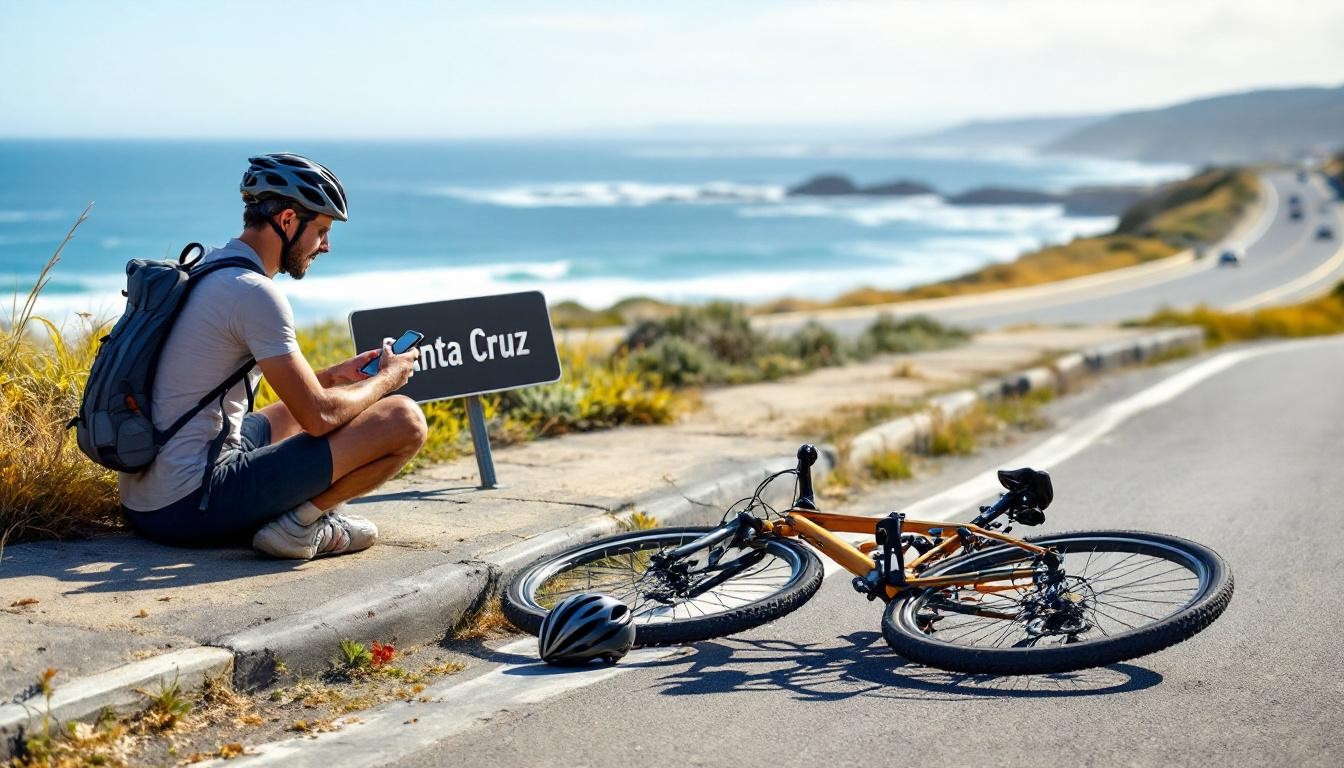
A Santa Cruz bicycle accident can happen in seconds, leaving you injured, confused, and unsure what to do next. The moments after a crash are critical-knowing the right steps protects your health, your rights, and your ability to recover damages.
We at Schaar & Silva LLP have helped countless cyclists navigate recovery after accidents. This guide walks you through exactly what to do, from the scene to the courtroom.
What to Do in the First Minutes After Your Crash
The first 60 seconds after a bicycle crash determine whether you protect yourself legally and medically. Stop completely, even if you feel fine or the crash seems minor. California Vehicle Code 20001 makes leaving the scene a crime, so stay put. Move to safety if possible, but do not move anyone with suspected neck or back injuries.
Assess Your Condition and Call for Help
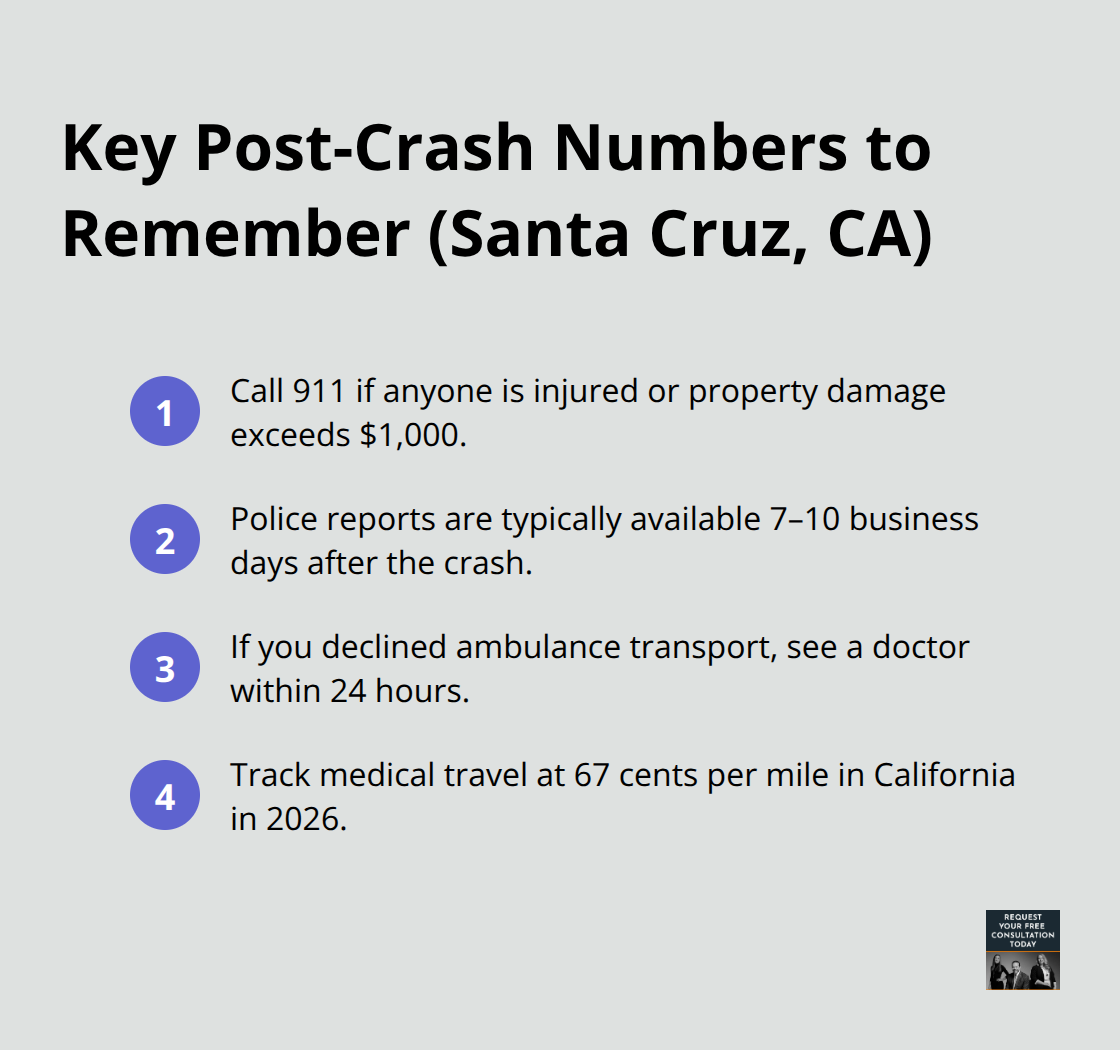
Assess your surroundings and take a mental snapshot of road conditions, weather, lighting, and traffic patterns. This initial moment sets the foundation for everything that follows. Adrenaline masks serious injuries, so perform a systematic head-to-toe check even if nothing hurts. Call 911 immediately if anyone is injured or property damage exceeds $1,000. When speaking with the dispatcher, give your precise location, the number of people involved, visible injuries, and any traffic hazards. Stay on the line until told to hang up. If paramedics arrive and recommend ambulance transport, accept it-refusing transport weakens insurance claims later.
Share all your symptoms and medications with responders so they document your condition accurately.
Document the Scene with Photos
Take wide shots of the intersection, bike lane markings, street signs, debris, skid marks, weather conditions, and lighting from multiple angles. Photograph your bicycle and any vehicle involved from several angles to create a mechanical fingerprint of the crash. Document your helmet if it’s damaged, since this shows impact force. Photograph your injuries and clothing damage.
Collect Information from Witnesses and Other Parties
If witnesses are present, ask what they saw and note their position relative to the crash. Collect their names and phone numbers before they leave. Exchange information with the other party: obtain their full legal name, driver’s license number and issuing state, license plate, vehicle identification number, insurance company, policy number, and phone number. Photograph their driver’s license and insurance card. Do not admit fault at the scene-allow investigators to determine liability.
File a Police Report and Obtain Documentation
File a police report if there are injuries or substantial property damage. Request a copy of the police report, typically available 7–10 business days after the crash. The official report provides witness statements and fault determination that strengthens negotiations or legal action. With this documentation in hand, you’re ready to address the medical and legal aspects of your recovery.
Medical Care After Your Crash
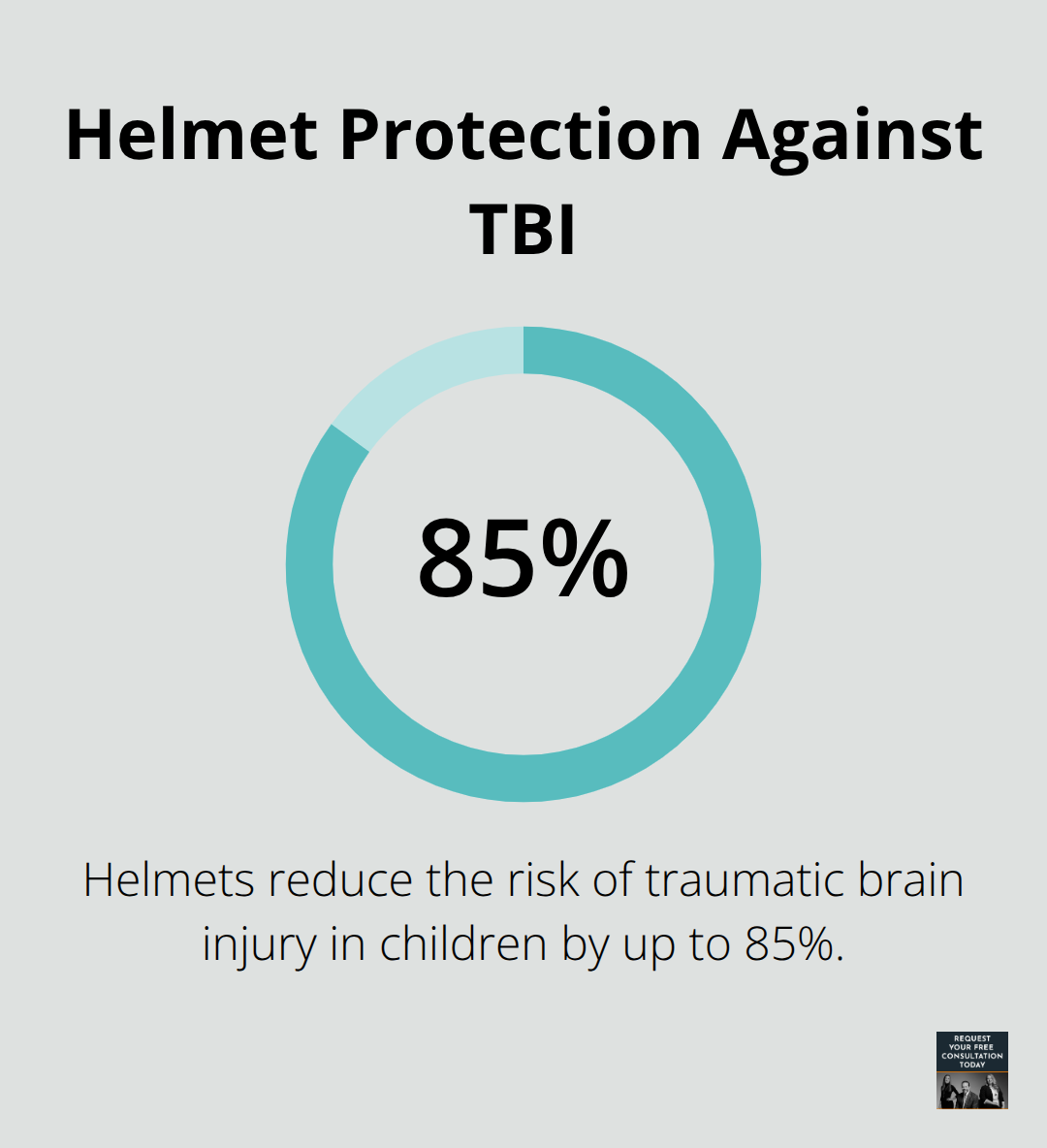
Seeking medical evaluation after a bicycle crash is not optional, even if you feel fine. Adrenaline and shock mask serious injuries, and head trauma symptoms can appear hours or days later. A 2022 Bicycle Helmet Safety Institute study found that helmets reduce the risk of traumatic brain injury in children by up to 85%, but adults without helmets face significantly higher injury risk.
Get Immediate Medical Attention
Go to an emergency room or urgent care clinic immediately if you hit your head, lost consciousness, experienced neck or back pain, or have visible injuries. If you refused ambulance transport at the scene, schedule a doctor’s appointment within 24 hours. Your medical records become critical evidence for insurance claims and legal action, so document everything from day one. Paramedics and doctors record your condition, injuries, and statements at the time of treatment-information that strengthens your case later.
Track Your Symptoms and Medical Expenses
Start a daily symptom log immediately after your crash. Write down pain levels, activities you cannot perform, medications prescribed, sleep quality, and emotional impacts like anxiety or depression. Track every medical appointment, treatment, and out-of-pocket expense. In California, you can claim medical travel mileage at 67 cents per mile in 2026, so record your drive to and from appointments.
Organize all receipts, bills, and invoices in a clearly labeled file (physical or digital). Request copies of all medical records, imaging results, and provider notes from your healthcare team. Insurance adjusters scrutinize gaps in treatment, so regular care strengthens your claim.
Maintain Consistent Follow-Up Care
If treatment extends beyond initial visits, follow up consistently with your doctors and attend all recommended therapy sessions. Consistent medical care demonstrates the severity of your injuries and your commitment to recovery. Medical lien services can facilitate payment of your bills until your case is resolved, removing the burden of upfront costs during your recovery. This financial support allows you to focus on healing rather than worrying about how to pay for treatment.
With your medical care documented and organized, you’re positioned to address the safety factors that contributed to your crash-including helmet use and bike lane conditions in Santa Cruz.
Helmets and Bike Lanes: What Actually Protects You in Santa Cruz
Your helmet is your most direct defense against serious injury, yet many cyclists in Santa Cruz treat it as optional. A 2022 Bicycle Helmet Safety Institute study found that helmets reduce the risk of traumatic brain injury in children by up to 85%, and the protection for adults is equally significant. When you crash, your helmet absorbs impact energy that would otherwise transfer directly to your skull and brain. After a crash, inspect your helmet closely; visible cracks, dents, or compressed foam indicate the helmet absorbed impact and requires immediate replacement, even if you feel fine. The materials in helmets degrade over time, so replace yours every five to eight years regardless of crashes.
Proper Helmet Fit Saves Lives
Ensure your helmet fits snugly with minimal movement side-to-side, sits level on your head, and has a secure chin strap. A loose helmet slides backward during impact and fails to protect you. Many cyclists overlook proper fit, which reduces their helmet’s effectiveness significantly. If you’re unsure whether your helmet fits correctly, local bike shops in Santa Cruz can adjust and verify fit at no cost during routine maintenance visits.
Santa Cruz Bike Lane Infrastructure Gaps Create Real Dangers
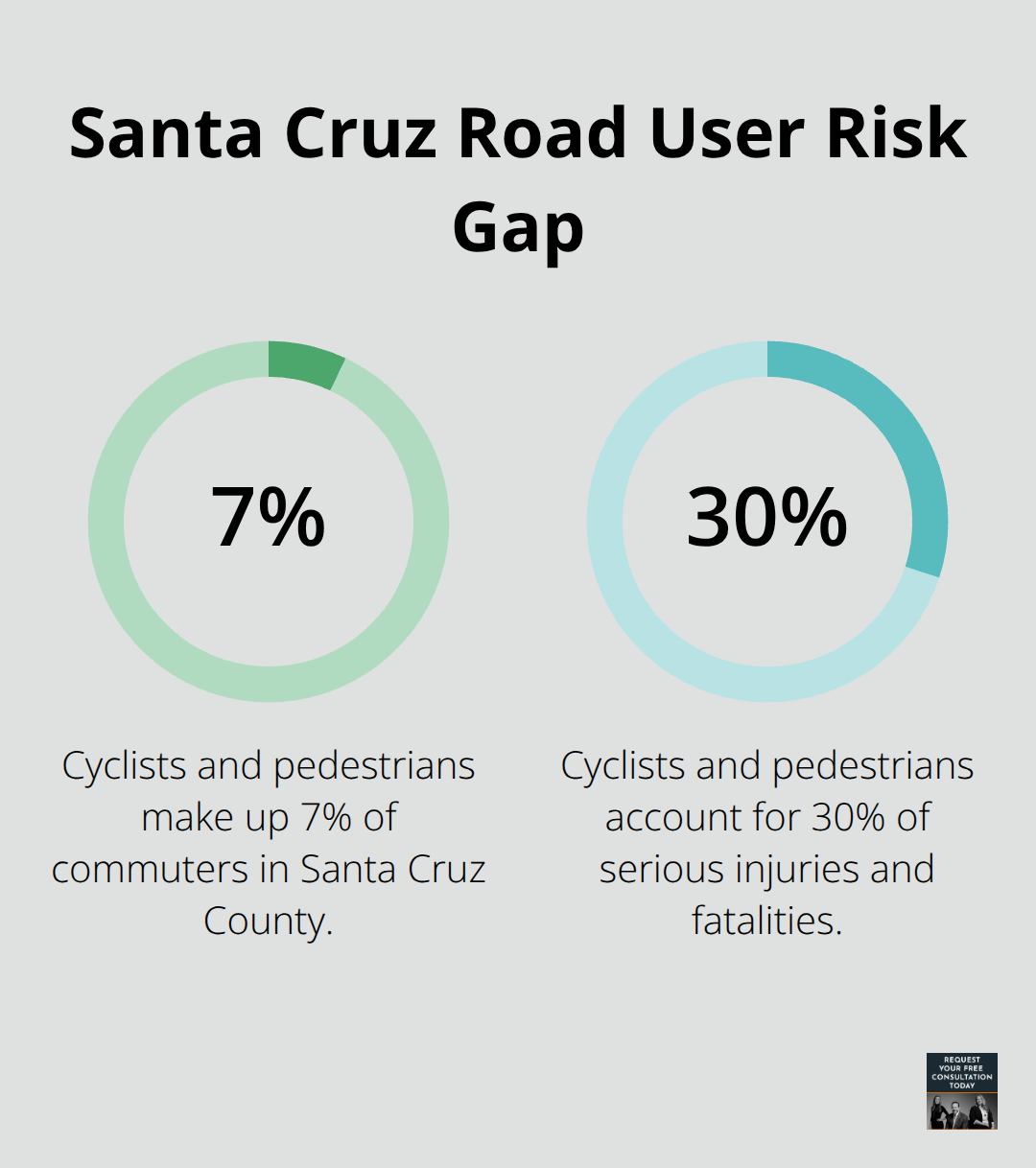
Santa Cruz County ranks second in California for cyclists killed or seriously injured, with 224 cyclists killed or seriously injured and 1,456 others suffering serious injuries between 2014 and 2023, according to data compiled by the Community Traffic Safety Coalition using California Office of Traffic Safety records. Cyclists and pedestrians represent only 7% of the commuting population but account for 30% of fatalities and serious injuries, revealing a stark safety gap. The California Highway Patrol launched Operation Safe Pedal in 2025 after e-bike crashes surged 177% from 2023 to 2024, rising from 18 to 53 crashes. The program included more than 40 presentations and safety booths at local schools and events, and crashes declined by 32% in 2025 to 36 total incidents. This decline proves targeted education works, but infrastructure remains inadequate.
Soquel Drive now features buffered bike lanes and sidewalks, and new bicycle overcrossings and a multiuse trail along Green Valley Road in Watsonville are in progress. However, many Santa Cruz bike lanes lack physical separation from vehicle traffic, leaving cyclists vulnerable. Debris, potholes, and poor maintenance in existing lanes create additional hazards. Inadequate cycling infrastructure combined with aggressive driving are identified as key factors in Santa Cruz crashes. Protected bike lanes that physically separate cyclists from cars are the strongest intervention, yet Santa Cruz still lacks comprehensive coverage. When choosing routes, stick to streets with marked lanes and avoid peak traffic hours when possible. After a crash, document the bike lane condition and any maintenance issues in your photos; poor infrastructure may factor into liability determination and your case.
Bike Shop Inspections Reveal Hidden Damage
After any crash, have a local Santa Cruz bike shop inspect your bicycle thoroughly, even if damage appears minor. Hidden frame cracks, bent components, or misaligned wheels may not be obvious to untrained eyes but compromise safety and handling. Mechanics can identify whether your bike is safe to ride or requires repair. Keep receipts from all inspections and repairs as documentation of crash-related damage for your insurance claim. If the other party is at fault, repair costs become part of your property damage claim. Many Santa Cruz bike shops offer same-day or next-day service, so don’t delay inspection. Document your bike’s condition before and after repairs with photos for your records.
Moving Forward After Your Santa Cruz Bicycle Accident
A Santa Cruz bicycle accident forces you to navigate medical recovery, property damage claims, and insurance negotiations simultaneously. California’s pure comparative negligence law allows you to recover damages even if you share fault, but only if you act quickly and document everything thoroughly. Helmet use does not determine fault, so don’t assume an insurer can deny your claim based on whether you wore protection at the time of impact.
Insurance adjusters challenge claims by citing any perceived negligence, which is why early legal guidance protects your interests. We at Schaar & Silva LLP evaluate your property damage to confirm bike repairs and replacement costs are fully covered, connect you with medical lien services that pay healthcare providers directly, and identify damages you might overlook-including lost wages, pain and suffering, and future medical expenses. Our team negotiates aggressively with insurers, handles hit-and-run cases and uninsured motorist claims, and prepares for litigation when necessary.
Contact Schaar & Silva LLP for a free consultation to discuss your case. We serve Santa Cruz County and understand the local roads, bike lanes, and traffic patterns that contributed to your accident. Your recovery starts with the right legal team supporting you through every step.
